Nike Book 3: Booker’s third signature sneaker debuts with a stealth Hiroshi Fujiwara tie-in that transforms performance basketball into streetwear culture.
The Nike Book 3 is entering its third act, and this time it’s bringing Hiroshi Fujiwara along for the ride. Nike unveiled the Book 3 as part of its World of Athletes showcase, marking the next evolution of a franchise that started as pure on-court equipment and has gradually morphed into something bigger: a cultural artifact that moves between the hardwood and the street with equal fluency.
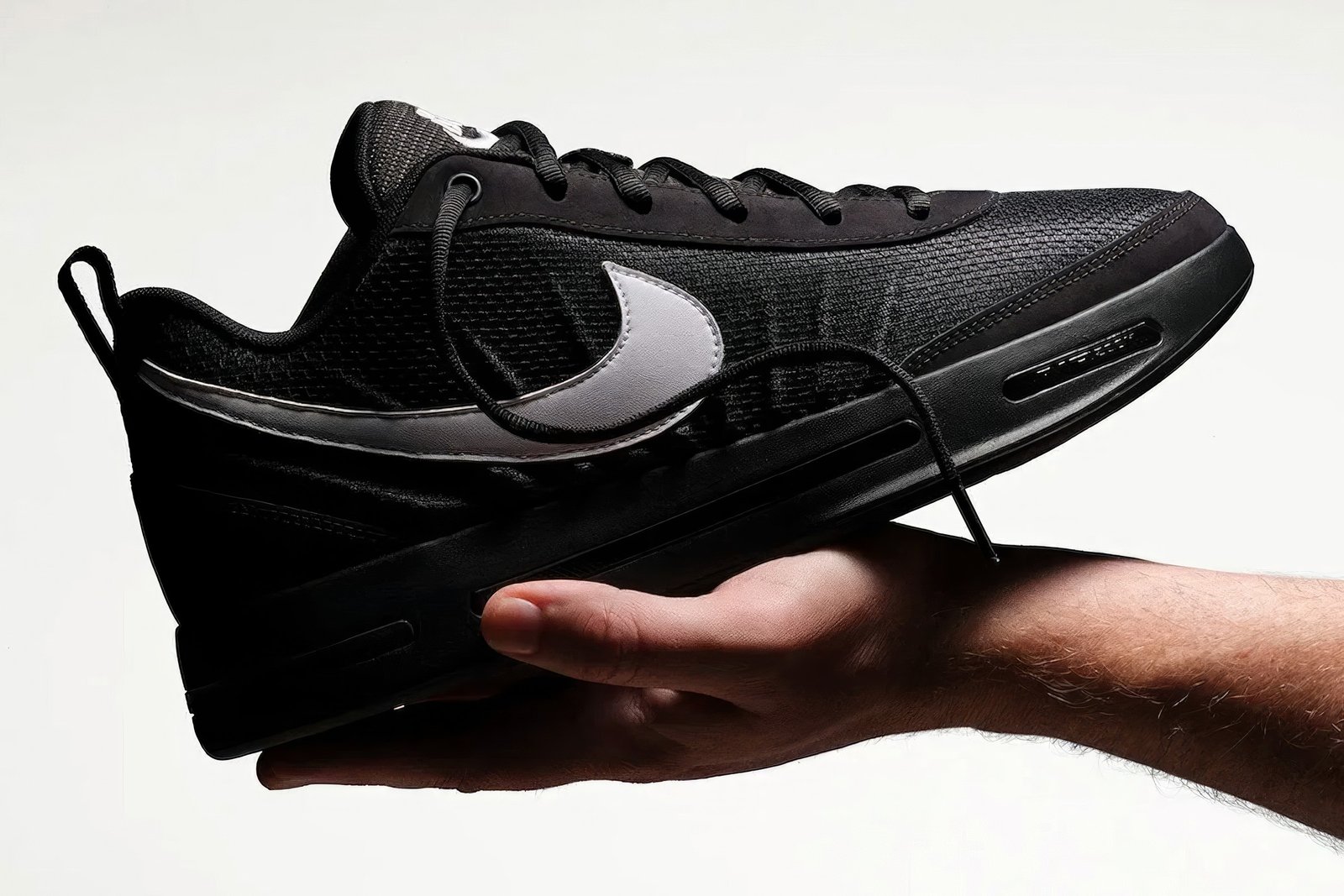
The silhouette itself reads like a refinement rather than a reinvention. The upper is predominantly mesh, keeping weight down and airflow open for players who demand freedom of movement. Underfoot sits a forefoot Zoom Strobel unit paired with a Cushlon 3.0 midsole that promises responsive, flexible response. For court-specific demands, a supportive TPU shank handles the rapid lateral cuts that define modern basketball, while the outsole carries a refined herringbone traction pattern engineered to grip hardwood without slipping. It’s the kind of technical spec sheet that speaks to Booker’s on-court needs: speed, stability, and the low-to-the-court feel that guards demand when the game matters.
Nike Book 3 Silhouette: Technical Specs Built for Modern Guards
The launch lineup ships in three distinct colorways, each with its own narrative. First comes “Sun,” an orange makeup that directly references Booker’s home with the Phoenix Suns. It’s straightforward team pride, the kind of nod that connects the shoe to Booker’s professional identity without trying too hard. The second colorway, “Pink Rattlesnake,” swings in the opposite direction with a vivid, almost loud aesthetic that appeals to collectors and sneaker enthusiasts who want something that moves beyond performance basketball.
The third pair is where the story shifts. It’s a black colorway developed with Hiroshi Fujiwara’s fragment design, the Tokyo-based creative director and designer whose fingerprints appear across luxury streetwear and sneaker culture. This collaboration didn’t emerge from nowhere. Booker had teased the partnership over the summer, and the fragment design connection formalizes what has clearly been building behind the scenes. For anyone paying attention to how signature athlete models operate in 2027, this is the real tell: a performance basketball shoe now comes with a designer collab as a core launch offering, not an afterthought or limited quickstrike.
When Basketball Shoes Became Streetwear
The fragment design tie-in doesn’t just add a collaborator’s name to a release. It signals a fundamental shift in how signature basketball models function in culture. Booker’s Book line has always tried to maintain balance between on-court performance and understated everyday wearability, but this partnership pushes the needle toward the latter. Fragment’s aesthetic, rooted in Japanese streetwear sensibility and minimalist luxury, transforms what could have been another athlete signature into something that works equally well on a skate street in Tokyo or at a dinner table in Los Angeles.
The timing of this move is worth noting. Signature basketball shoes from established athletes have spent the last several years moving away from pure performance positioning. They’ve become vehicles for creative collaboration, cultural commentary, and lifestyle branding. Booker, still in his prime as a player on a contending Phoenix Suns roster, has the credibility to anchor this shift. The Book 3 continues a franchise that has steadily refined his on-court footwear while keeping its design language accessible off the court, but it’s the fragment design iteration that extends the silhouette beyond performance buyers and into the realm of cultural artifacts.
The Book 3 and its accompanying apparel collection are scheduled for a global release in Spring 2027 through Nike and select retail partners. Retail pricing has not been confirmed at the time of announcement. That gap between unveiling and actual drop gives collectors and casual observers alike the kind of lead time that lets anticipation build, particularly around that fragment design colorway. In a market where limited releases and collaborations drive urgency and resale conversation, the question isn’t just whether the shoe performs on court. It’s whether the fragment design version becomes the kind of object that bypasses basketball entirely and exists purely as a piece of contemporary design culture.