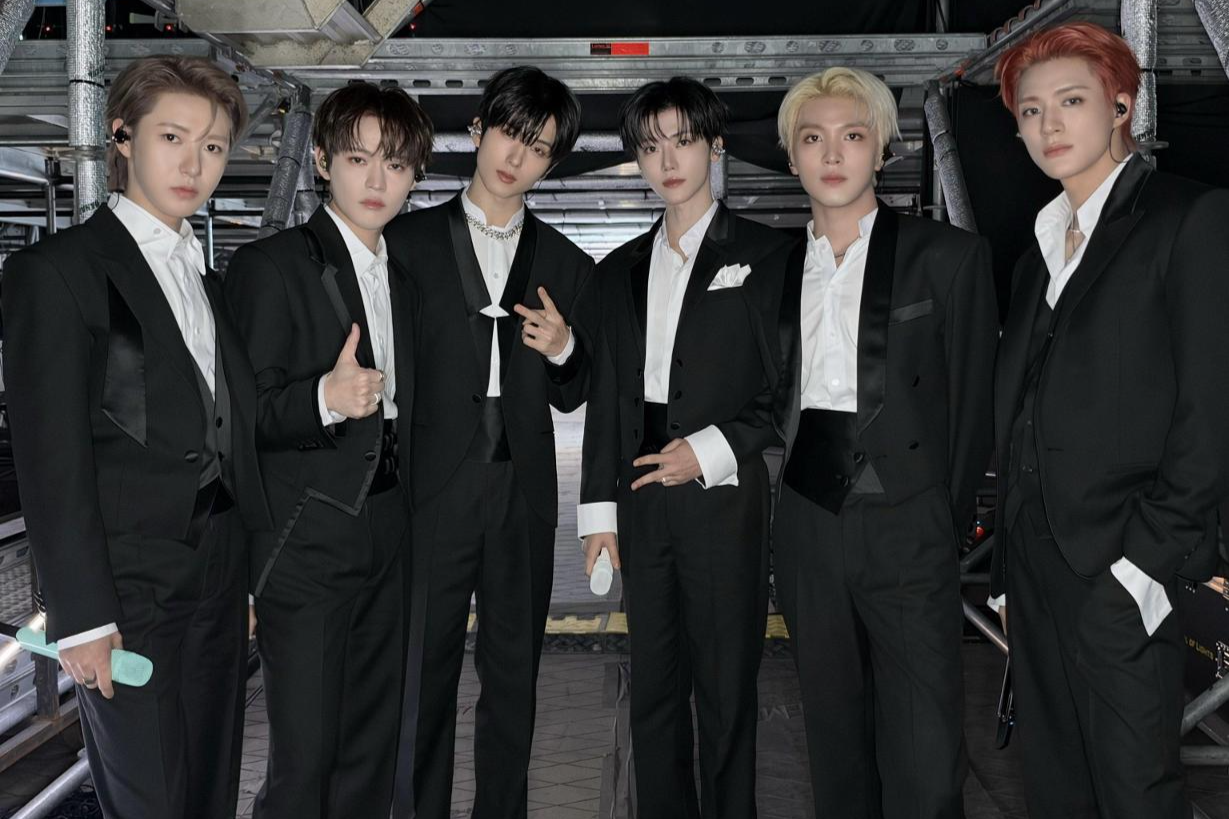
Nct Dream Million-Seller: The K-pop group’s latest release cements a decade of commercial dominance that shows no signs of slowing.
NCT Dream just became an 11-time million-seller. That’s not hyperbole or a marketing claim, it’s a certification that tracks actual sales volume, and it matters precisely because the threshold keeps getting higher. With the release of ‘DREAM AFTER DREAM’, this South Korean NCT Dream group has now crossed the one-million-unit mark eleven separate times across their discography, a feat that speaks to both the depth of their catalog and the loyalty of their fanbase.
The numbers alone tell a story of sustained commercial momentum. In an era where album sales are fragmented across streaming services, physical formats, and digital platforms, reaching a million units once is notable. Doing it eleven times over the course of a career is a statement about artistic consistency and commercial power that most groups never achieve. For NCT Dream, it’s become routine.
NCT Dream’s Million-Seller Decade of Domination
What makes this milestone particularly compelling is the timeline. NCT Dream didn’t emerge as a fully formed supergroup overnight. They built their audience incrementally, with each release refining their formula and deepening their connection to fans who had grown with them. By the time ‘DREAM AFTER DREAM’ arrived, the group had already established a track record that made it virtually predictable they would exceed a million sales. The anticipation wasn’t whether they’d hit the number, but by how much they’d exceed it.
The group’s ability to maintain this level of output and quality control across a decade speaks to both their management structure and the broader ecosystem of K-pop production. NCT Dream operates within SM Entertainment’s carefully orchestrated system of talent development, promotional strategy, and market research. That doesn’t diminish their achievement, it explains part of how they’ve managed to stay culturally relevant while simultaneously dominating the sales charts.
Charting and Variety Show Dominance
The ‘DREAM AFTER DREAM’ release didn’t just hit sales milestones. According to AllKpop, the album dominated music charts and variety shows, suggesting this wasn’t a case of catalog sales or nostalgia-driven purchases. The group’s latest work resonated with current listeners, not just longtime fans. That distinction matters because it proves NCT Dream isn’t trading on past reputation alone. They’re creating music that remains culturally active in the present moment.
Variety show appearances serve as cultural validators in the K-pop ecosystem. They’re not just promotional slots; they’re cultural moments that help define a group’s presence in the broader entertainment landscape. When a group dominates variety show circuits while simultaneously breaking sales records, it signals they’re occupying multiple cultural spaces at once. They’re not just selling records to devoted fans; they’re generating cultural conversation that extends beyond their existing audience.
The commercial stability that comes with being an 11-time million-seller gives NCT Dream something most groups never achieve: creative freedom rooted in security. They don’t need to chase trends or pivot their sound to prove viability. Instead, they can focus on the work itself, knowing that their audience has demonstrated consistent purchasing power across multiple eras and multiple changes in the global music landscape.
For SM Entertainment, the 11-time million-seller status serves as validation for their investment in the group’s longevity and their willingness to keep rotating members in and out of NCT Dream’s lineup while maintaining the group’s core appeal. It’s a strategy that could easily have failed, but instead it’s produced one of the most commercially successful boy groups operating right now. ‘DREAM AFTER DREAM’ isn’t a comeback or a comeback milestone in the traditional sense. It’s another step in an ongoing trajectory that shows no signs of plateauing, further solidifying NCT Dream’s status as a million-seller powerhouse.
Sources: allkpop.com, billboard.com