JSW MG Motor’s flagship electric SUV launches on a modular architecture designed to spawn hybrid and range-extender variants.
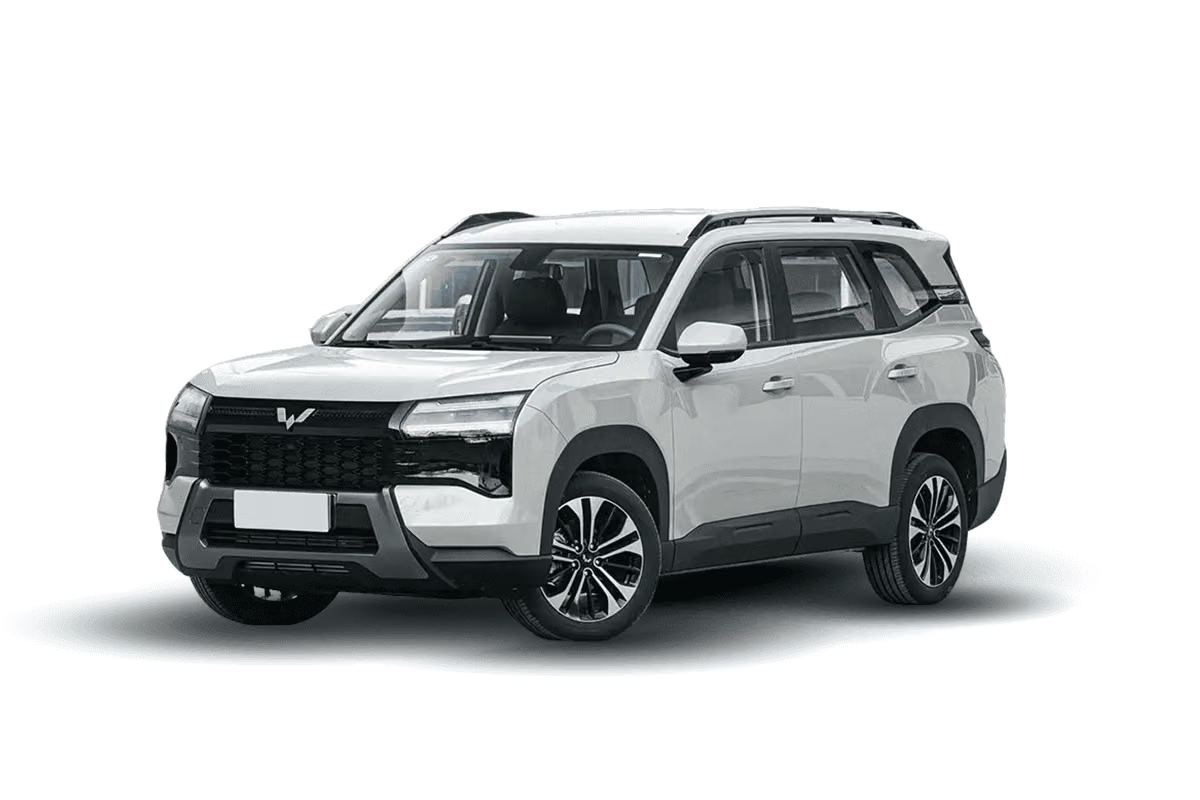
The MG Hector Tomahawk EV arrives August 26 as the first vehicle to ride on the ADAPT platform, a modular electric architecture engineered to underpin multiple powertrain configurations. For JSW MG Motor, this represents a structural shift: rather than adapting existing combustion-era designs for battery power, the Tomahawk is built from the ground up as an electric-first machine, with the framework already prepared to spawn petrol-hybrid and range-extender variants down the line.
The Tomahawk name signals MG’s intent to position this as an aggressive entry in India’s rapidly consolidating EV SUV segment, where the Hector nameplate has established real market equity. By launching on a dedicated EV platform instead of a carried-over internal combustion foundation, MG gains the packaging efficiency and performance headroom that pure-electric builds allow: lower center of gravity, maximized interior space, and the electrical architecture to support multiple battery sizes and motor configurations without costly redesigns.
The ADAPT platform’s modular logic matters because India’s EV market is still stratified by price and charging infrastructure. A single architecture that can deliver a pure-battery variant, a petrol-hybrid option, and a range-extender model lets MG capture buyers across cost tiers and use cases without fragmenting its supply chain or engineering resources. This is the inverse of the traditional OEM playbook, where platform diversity drives complexity and cost.