JSW MG’s plug-in hybrid flagship arrives as India’s auto market finally grows up.
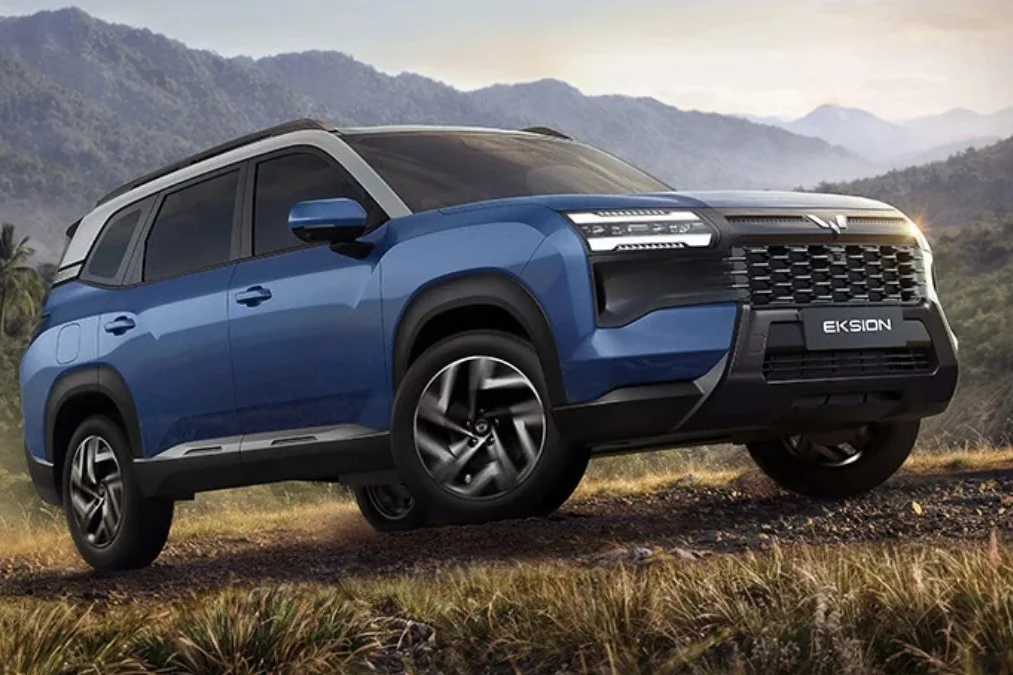
India’s SUV market has been stuck in a loop: cheap gas three-seaters or pricey imported electrics. The MG Hector Hawk PHEV just obliterated that binary. This is the first mainstream three-row plug-in hybrid to hit the Indian market, and it matters because it’s not a luxury play or a token eco-gesture. It’s a direct answer to what Indian families actually want: space, practicality, and the option to run electric when the grid lets you.
The timing is glacially overdue. India’s auto industry has been hyper-focused on two things: compact hatchbacks for price-conscious buyers and ultra-premium EVs for Delhi’s oligarchs. The middle, where most people actually live, has been starved of innovation. PHEVs, already standard in China and gaining traction in Southeast Asia, hit Indian showrooms so late they might as well be from 2035. The Hector Hawk isn’t revolutionary on a global stage, but locally it’s a reset button. Three rows means extended family trips and daily school runs on electricity. Plug-in hybrid means no range anxiety on highway runs to your farmhouse. Gas backup means you’re not held hostage by charging infrastructure that barely exists.
The real test isn’t engineering or pricing. It’s whether Indian buyers trust the PHEV story at all. Battery anxiety, charging mythology, and the simple fact that gas is cheap have kept PHEVs marginal everywhere except China. But demographics and gridlock are shifting that calculus. Delhi’s pollution, Bangalore’s congestion, and Mumbai’s wealth concentration are all creating the preconditions for this car to work. JSW MG is betting that Indian consumers are ready to trade the simplicity of a combustion engine for flexibility. If this Hector Hawk doesn’t just sell but actually shifts how Indians think about three-row SUVs, suddenly every manufacturer has to move.