At the David Foster Foundation gala, the Duchess of Sussex delivered a styling statement that collapsed decades of royal protocol into a single, deliberate choice.
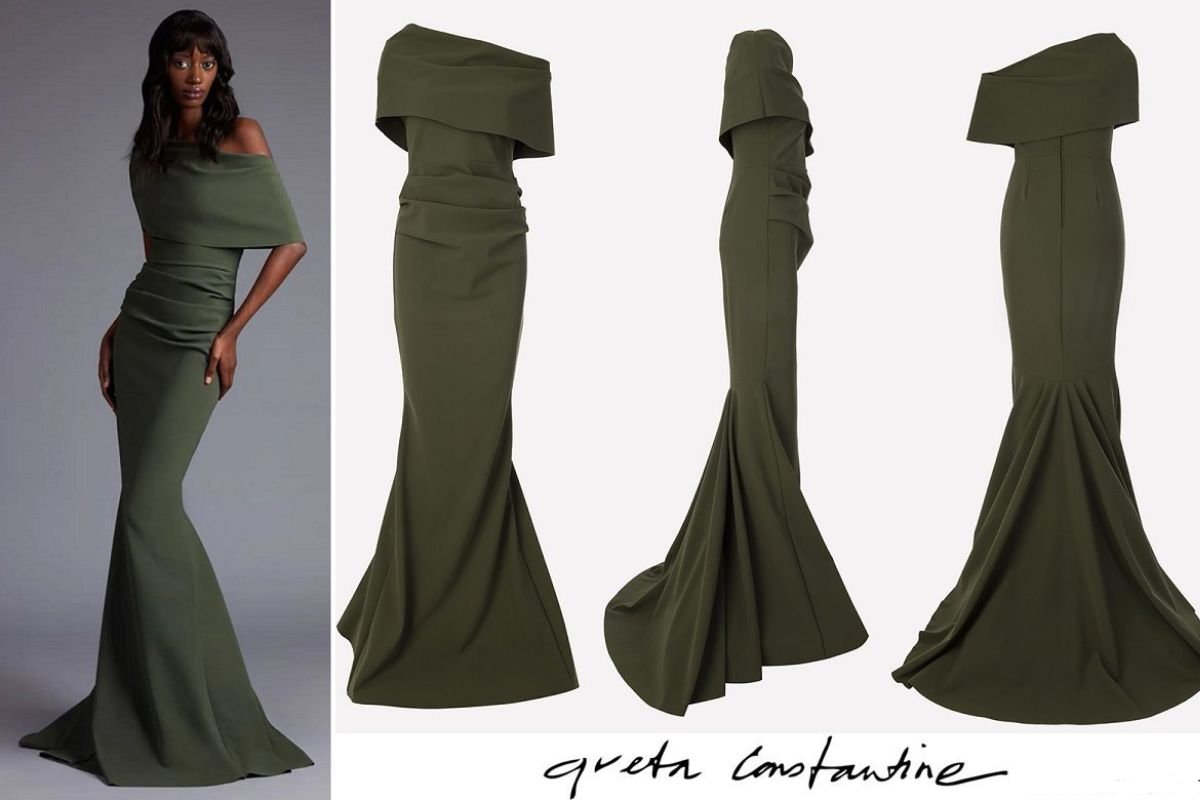
The dress arrived first. Greta Constantine, the Montreal-based designer known for architectural precision and an almost obsessive relationship with fabric geometry, had crafted something that read as both restraint and rebellion. When Meghan stepped onto the red carpet on August 7, the silhouette did the work: clean lines, a subdued palette, the kind of unfussy elegance that registers as a refusal. No statement necklace. No theatrical volume. Just fabric and intention.
Within hours, the internet had already begun its archaeology. The cut, the proportion, the way the gown moved, all of it triggered comparisons to Diana’s most iconic moments. Not the fairy tale wedding dress or the revenge gown, but something quieter: the deliberate fashion choices made by someone reclaiming narrative control. The timing mattered. The gala itself supported emerging artists, a cause that had defined Diana’s philanthropic work decades earlier. Wearing Greta Constantine, a designer without the historical weight of Dior or Chanel, suggested something pointed about refusing the predetermined narrative of what a title should look like.
The reaction moved fast and global. Fashion critics parsed the seaming. Royal watchers debated subtext. TikTok users didn’t wait for permission to claim the moment. What started as a single red carpet appearance had become a text, readable across multiple languages and cultural contexts almost immediately. Greta Constantine’s studio was suddenly fielding inquiries from publications and retailers who’d previously categorized the brand as luxury fashion’s open secret. The dress itself became almost secondary to what its selection meant: a choice, made visible.
That’s the actual story. Not a princess channeling another princess. A woman in a carefully considered garment, engineered by a designer who builds clothes like arguments. The internet simply recognized the grammar.