Mediterranean Lifestyle: Forget biohacking and macro counting, communal meals, daily movement, and genuine leisure are replacing the wellness industrial complex.
The wellness industry spent the last decade selling you optimization. Precise macro ratios, sleep tracking, cold plunges, peptides, algorithmic meal plans, the entire ecosystem built itself on the promise that wellness could be quantified, hacked, and perfected. Summer 2026 is effectively rejecting all of it. What’s emerging instead is a wholesale cultural shift toward the Mediterranean lifestyle, and it’s not being framed as another wellness trend to consume. It’s being lived as a genuine recalibration of what a good life actually looks like.
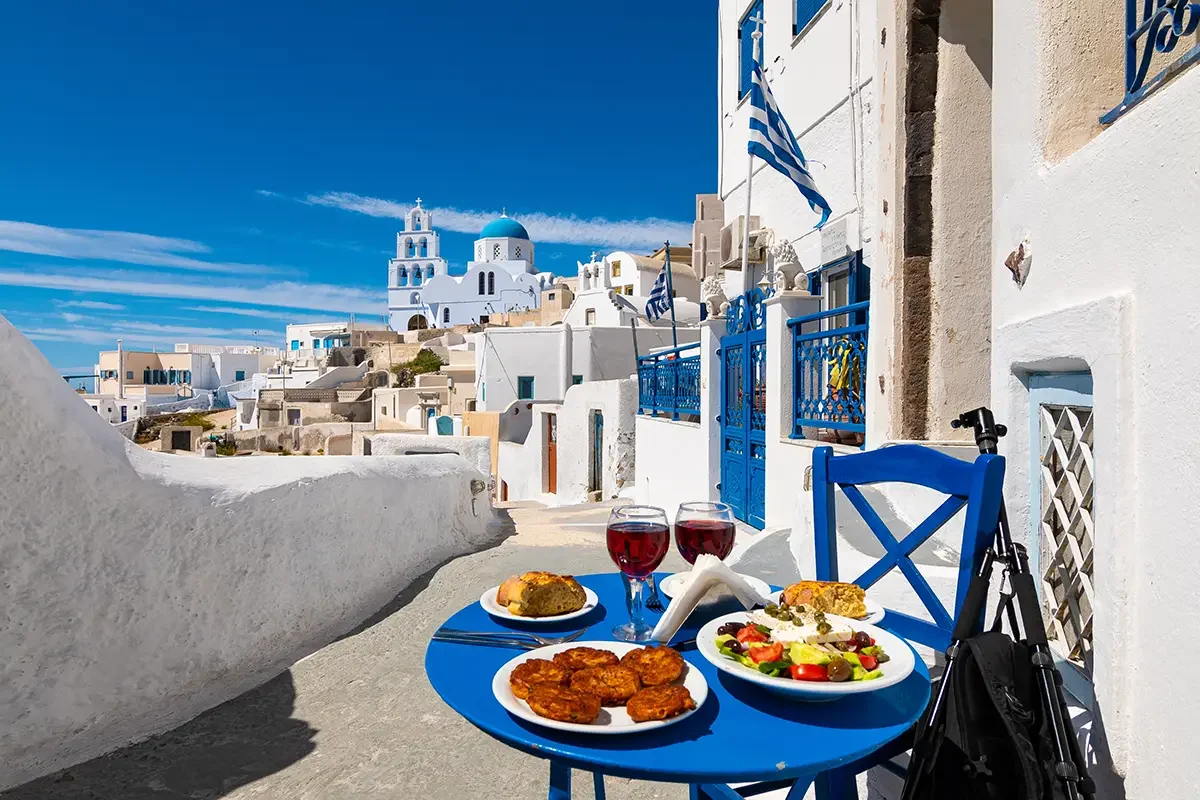
The movement centers on three core practices that feel almost radical in their simplicity compared to what dominated the previous five years. Slow living, choosing presence over productivity, meals over meal prep, is now the visible marker of someone who has their life together. Communal eating has become the real social currency, replacing the solitary green juice breakfast and the optimized solo dinner. Daily movement isn’t structured around HIIT protocols or performance metrics. It’s walking to the market, sitting outside, moving your body because you inhabit a place, not because an algorithm told you to. The Mediterranean lifestyle doesn’t promise transformation. It suggests contentment, which turns out to be what people actually wanted all along.
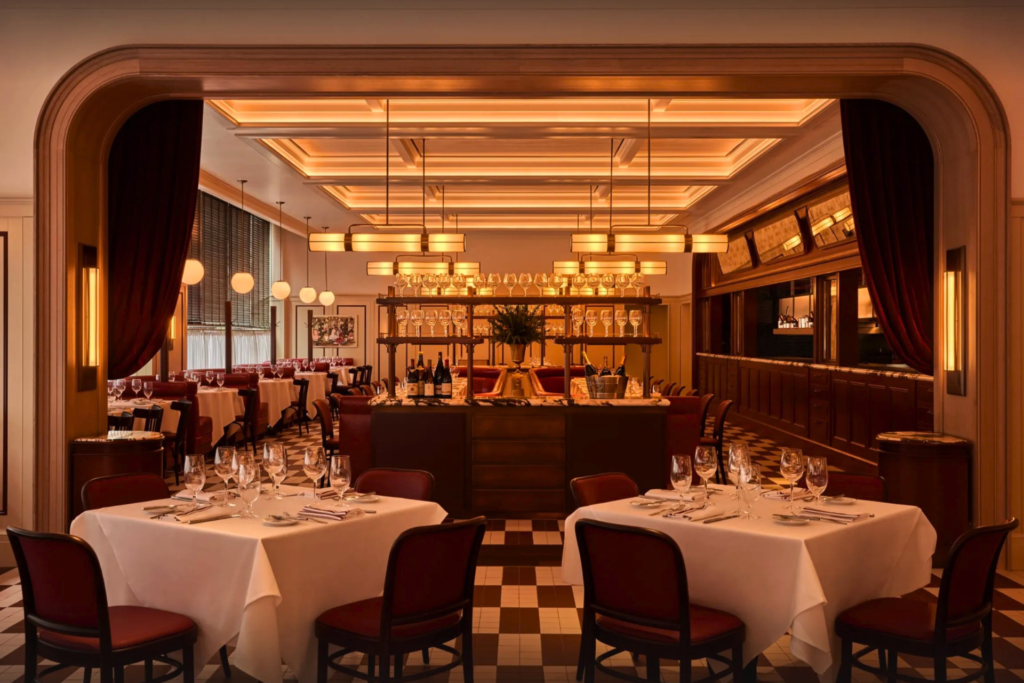
What makes this shift culturally significant isn’t that Mediterranean food and culture suddenly became fashionable again, that cycle has repeated for years. The difference is that the lifestyle rejection of biohacking, tracking, and quantified wellness has become mainstream enough to be visible. You’re seeing it reflected in how people actually spend money and time now: choosing restaurants built around shared plates and long meals rather than quick-service optimization, buying property or spending time in regions associated with this pace of life, and most tellingly, openly abandoning the wellness gadgetry that dominated Instagram feeds just two years ago. The anti-optimization movement has become the new status symbol, which is precisely when you know a cultural value has genuinely shifted.
The specifics matter here because they’re deliberate rejections of previous benchmarks. This isn’t about calories or steps or sleep scores. It’s about sitting with people you care about for hours, eating food that was grown and prepared without industrial efficiency as the primary goal, and moving through days in a way that feels connected to place and season rather than imposed by external systems. That framework, once relegated to wellness retreats and vacation fantasies, is now how substantial numbers of people are actually trying to structure their everyday lives.