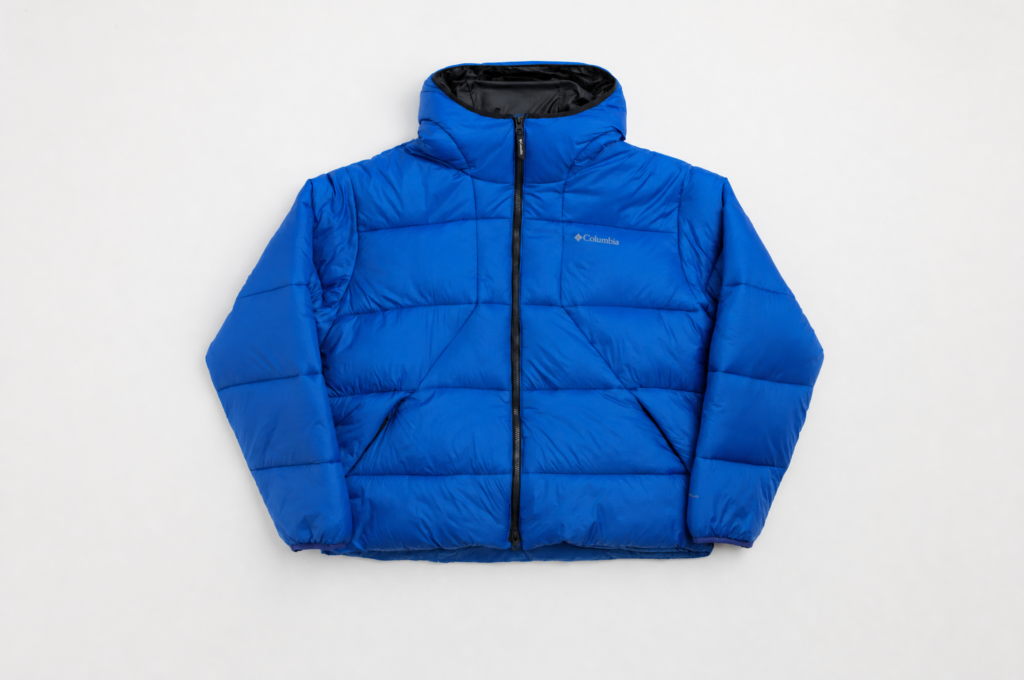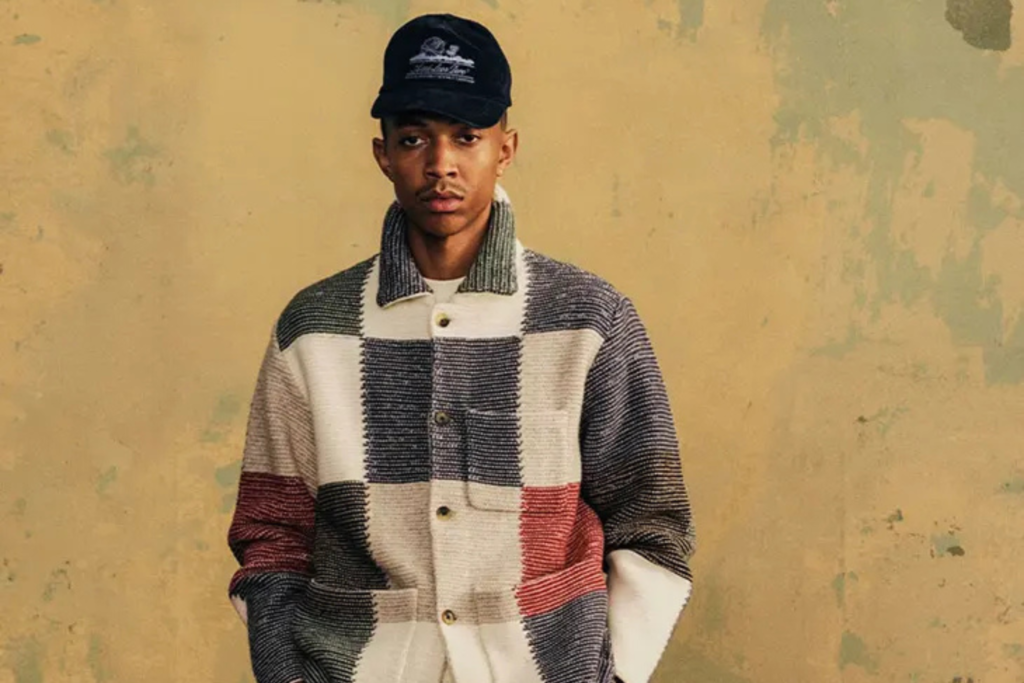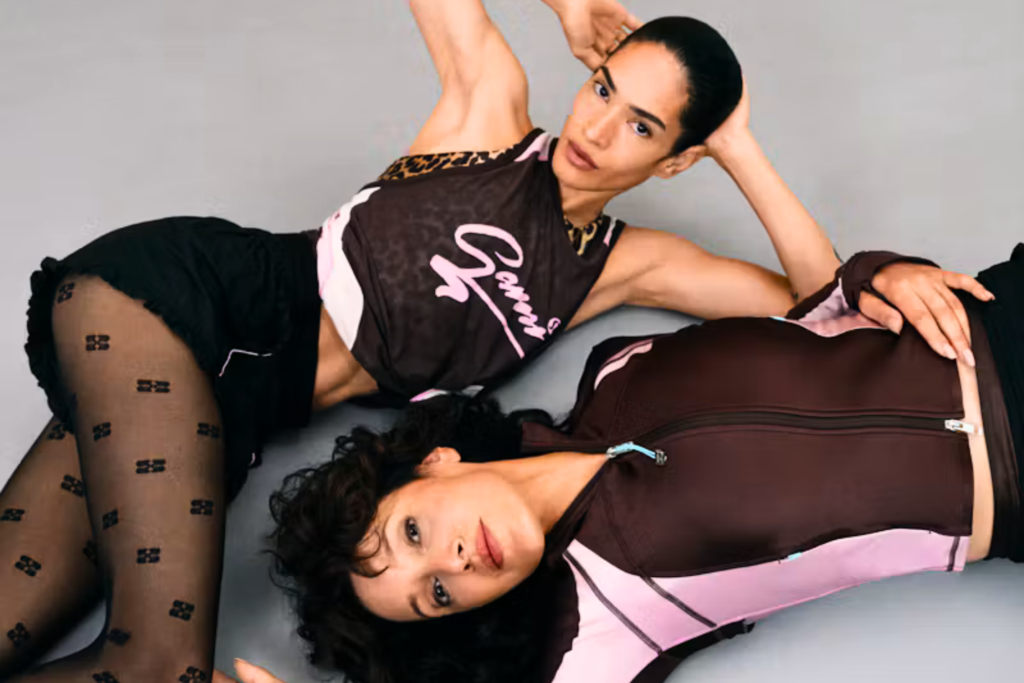
The designer and the French indie darling are both doubling down on American presence in a single week.
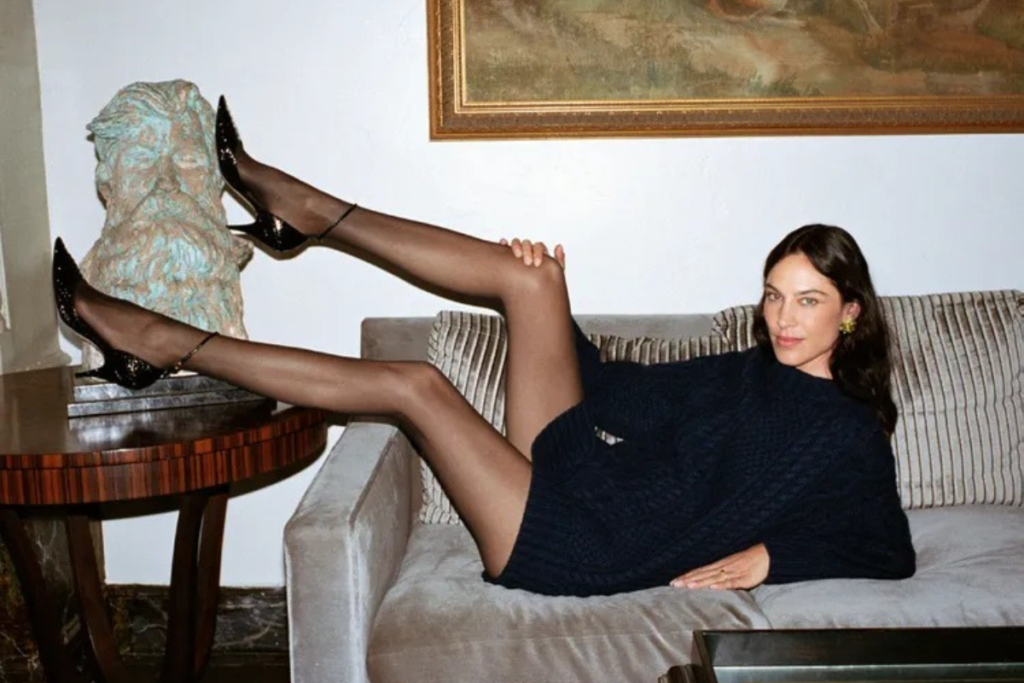
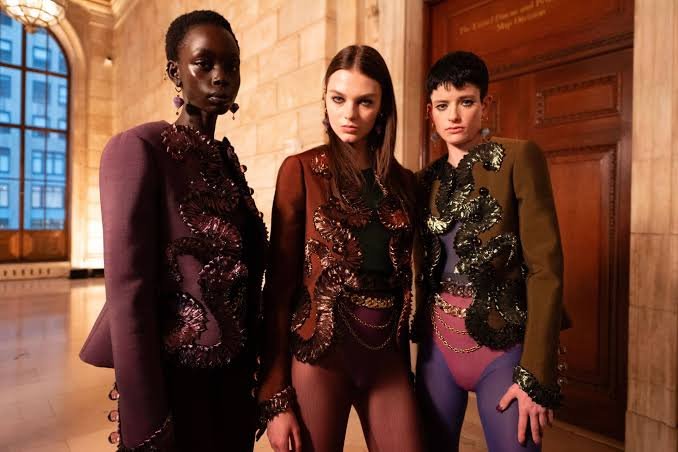
Marc Jacobs just unleashed its Fall 2026 campaign, and the timing is no accident. While the fashion calendar still technically belongs to spring, luxury brands have learned that dropping preview imagery early builds momentum, especially when you’re trying to own a specific cultural conversation before the season even arrives. The campaign arrives as the designer continues to prove he can still pivot his house between accessible and covet-worthy without losing either audience.
Running parallel to MJ’s push is Sézane’s opening of its first permanent Los Angeles store. The French contemporary brand has been creeping into American consciousness through its e-commerce presence and temporary pop-ups, but a brick-and-mortar flagship in L.A. signals something bigger: Sézane believes the American market is ready to treat it like a real destination, not a Paris import you happen to discover online. For a brand built on understated Parisian codes and direct-to-consumer efficiency, permanent retail in America’s style capital is a calculated bet that the U.S. isn’t just a secondary market anymore.
What’s quietly telling here is that both moves land in the same news cycle. We’re watching a designer who built his empire in the ’90s and 2000s prove he still has campaign heat, while simultaneously watching a scrappier, younger-feeling French brand graduate to brick-and-mortar legitimacy. Neither is a shock, both have been building toward these moments for years, but the convergence says something about where the market is actually moving: away from hype-cycle drops and toward brands that can sustain interest across multiple retail formats and seasons. The campaign and the store are both bets on endurance.