Luxury Travel 2026: High-end travelers are now sophisticated enough to spot generic hotel design, forcing luxury brands to abandon safety in favor of real character.
Luxury travel 2026 is rejecting the beige minimalist hotel suite, and the death was swift. According to new research from Preferred Hotels & Resorts, the overwhelming majority of affluent travelers can now immediately clock a property designed for the broadest possible market appeal rather than genuine luxury expression. That shift marks a seismic change in how premium hospitality operates: when your core customer base has become perceptive enough to reject blandness on sight, playing it safe becomes the riskiest move of all.
What’s happening isn’t merely aesthetic fatigue with neutral palettes and minimalist interiors. The real story is that luxury travelers have become curators of experience rather than consumers of status symbols. They’ve been trained by Instagram, by boutique hotel culture, by the proliferation of design-forward properties, and by their own accumulated travel to recognize the difference between intentional design and corporate risk-aversion disguised as sophistication. A hotel that looks like it could exist in any city, decorated in the visual language of corporate safety, no longer reads as luxury. It reads as lazy. The statistics bear this out: if nearly 84 percent of high-end travelers possess this discernment, the market has fundamentally reorganized around their expectations.
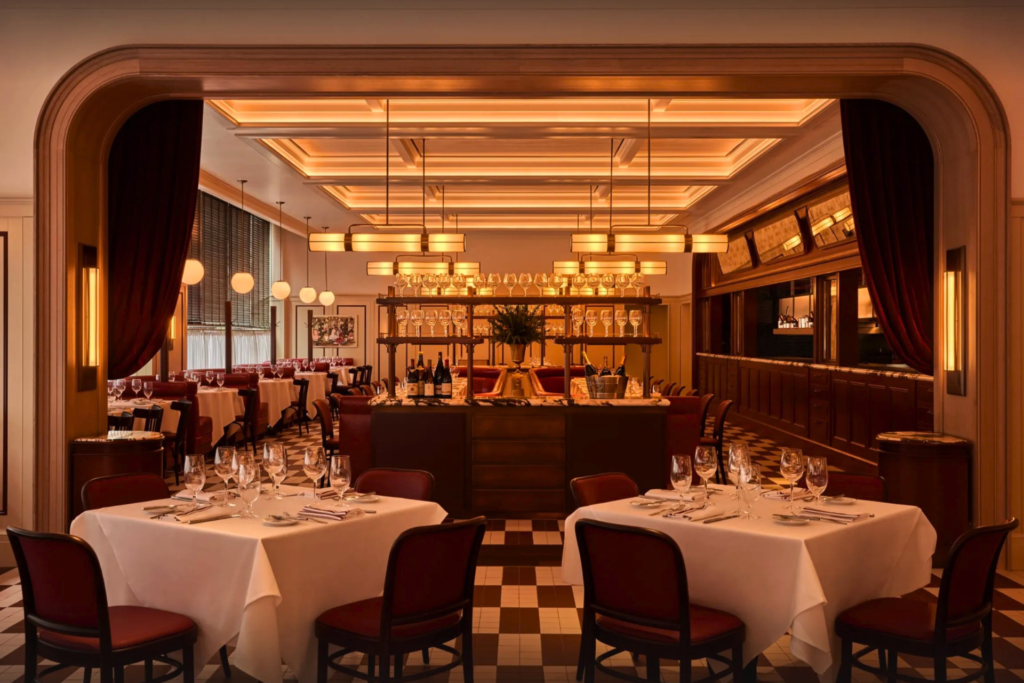
The implications cascade through the entire industry. Properties now face genuine pressure to develop distinct visual and experiential identities, to source local materials and talent, to embrace regional character rather than homogenize it into a global template. This shift defines luxury travel 2026, where blandness is no longer an option but a liability. Luxury still demands impeccable service, pristine execution, and quality materials, but it demands personality alongside those fundamentals.