Julius’ Castle: San Francisco’s mahogany-paneled landmark reopens with a farm-to-table vision and three floors of Bay views that define the city.
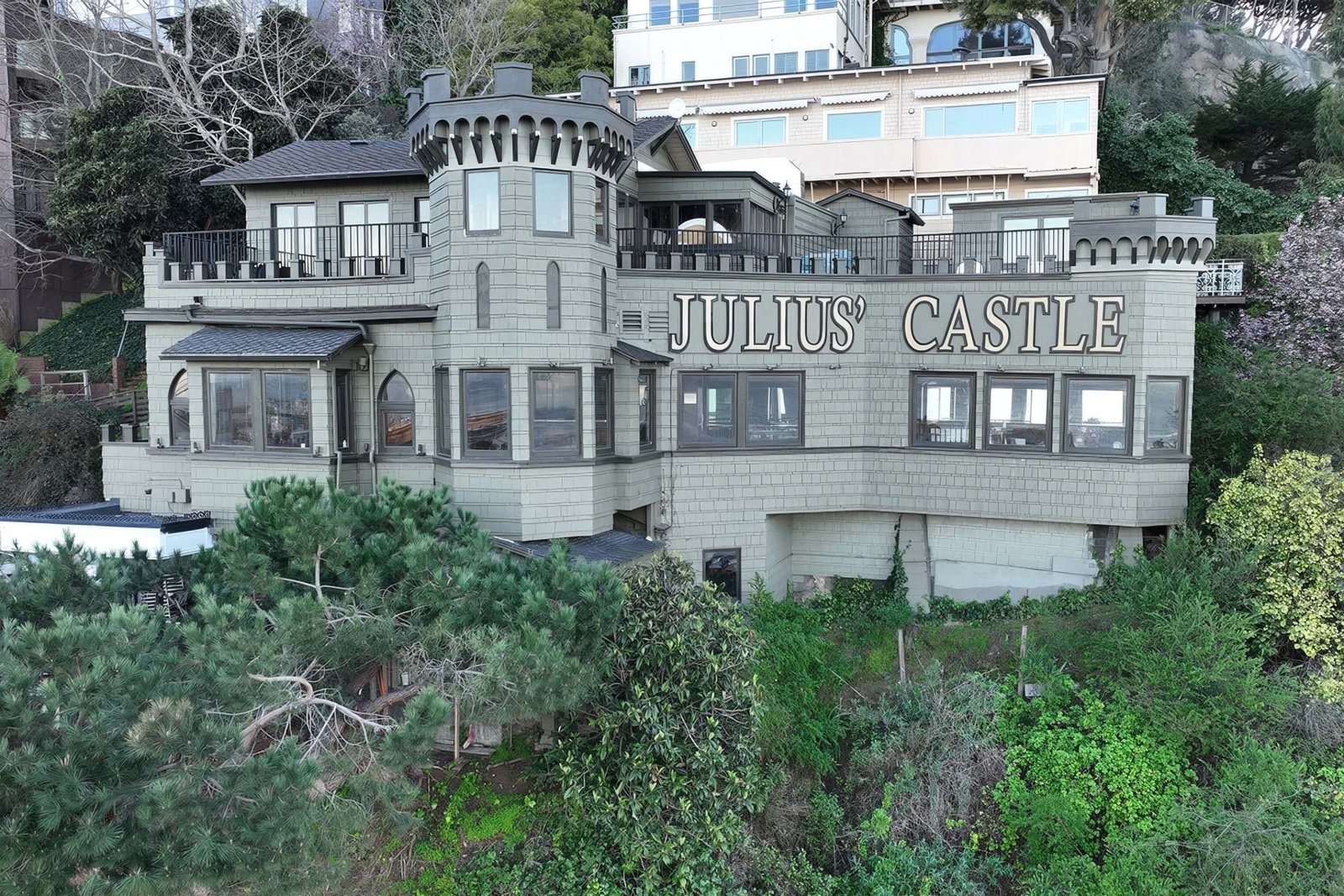
Julius’ Castle, the three-story, mahogany-paneled restaurant that opened in 1922 and closed in 2007, is finally returning to Telegraph Hill this November after leaving a 19-year gap in the city’s dining memory. An entire generation of San Franciscans has never walked through its doors, but owner Paul Scott is bringing the iconic venue back to life, and the stakes feel high for a place that once defined what fine dining looked like in the city.
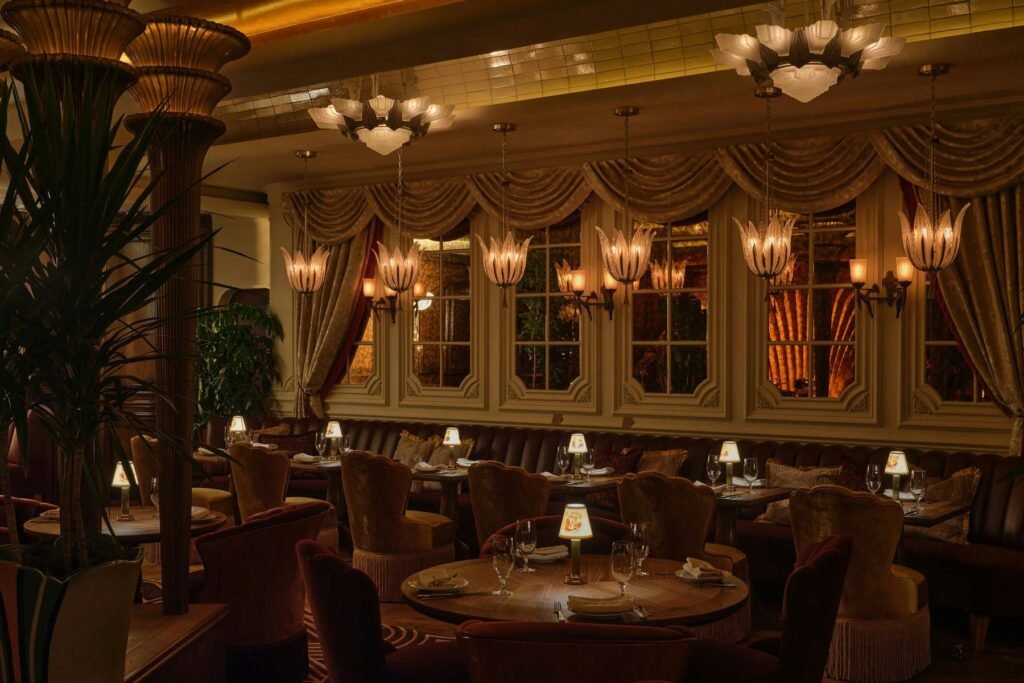
Scott, an attorney who purchased the building in 2012, has spent years wrestling with the logistics of resurrection. Floods, permitting headaches, and a property line dispute all threatened to keep the doors locked longer. But now, after nearly two decades in the dark, Julius’ Castle is ready to welcome diners back to its perch on the side of Telegraph Hill, where three levels offer what the owner describes as “some of the best views in the city.” The restaurant will seat 130, including a third-story “mayor’s table” where, according to sources, former San Francisco Mayor Willie Brown recently dined during a preview.
Julius’ Castle’s Farm-to-Table Philosophy Takes Shape
The food philosophy driving the reopening leans into the sustainable NorCal ethos made famous by chef Alice Waters. Scott isn’t framing this as standard farm-to-table dining. He’s calling it “garden-to-castle,” signaling a commitment to proximity and seasonality that reaches beyond the typical restaurant playbook. “We’re not going to serve wagyu,” he told sources, drawing a clear line between what Julius’ will and won’t do. The message is deliberate: this is a restaurant that knows what it stands for, built on restraint as much as ambition.
The scale of the operation suggests Scott understands that reopening a 104-year-old institution isn’t about throwing open the doors and hoping for the best. To manage the return to service, the team is rolling out reservations carefully, easing into full capacity rather than flooding the dining room all at once. Prospective diners are being told to watch the restaurant’s Instagram account in the coming days for availability and booking details. This measured approach signals respect for both the space and the weight of bringing back a legend.
Polk Street’s Bar Scene Expands With Jacob Morris
While Julius’ Castle represents the return of a ghost, Jacob Morris is building something new. The longtime bartender at Polk Street’s Mezcalito is opening his first project as an owner: Stir Crazy, a neighborhood bar taking over the former Black Magic Voodoo Lounge space. Morris has restored the vintage light box sign hanging above the door and given the exterior a sleek black paint job, signaling a refresh that respects what was there before while creating something distinct.
The bar’s focus is straightforward: classic and nonalcoholic cocktails made to order, rotating monthly signature drinks, beer, wine, and shooters. It’s positioned as a casual neighborhood watering hole rather than a destination spot, the kind of place where craft cocktails share space with approachability. For a bartender stepping into ownership for the first time, the concept feels appropriately grounded.
The Detail Everyone Misses
What makes Julius’ Castle’s return particularly striking isn’t just the mahogany panels or the views or the Alice Waters connection. It’s that Scott has had to fight for nearly two decades simply to get the building back in working order. The property disputes, the permitting tangles, the floods, these aren’t footnotes. They’re the reason an entire generation of the city has never experienced this restaurant. The reopening isn’t a soft nostalgia play. It’s a hard-won victory against bureaucracy and time. And in a city where real estate, preservation, and dining culture constantly collide, that makes the story of Julius’ Castle less about the restaurant and more about what it takes to bring San Francisco’s past forward.