After nearly two decades, one of TV’s most fearless comedies rolls out another season without apology or sentiment.
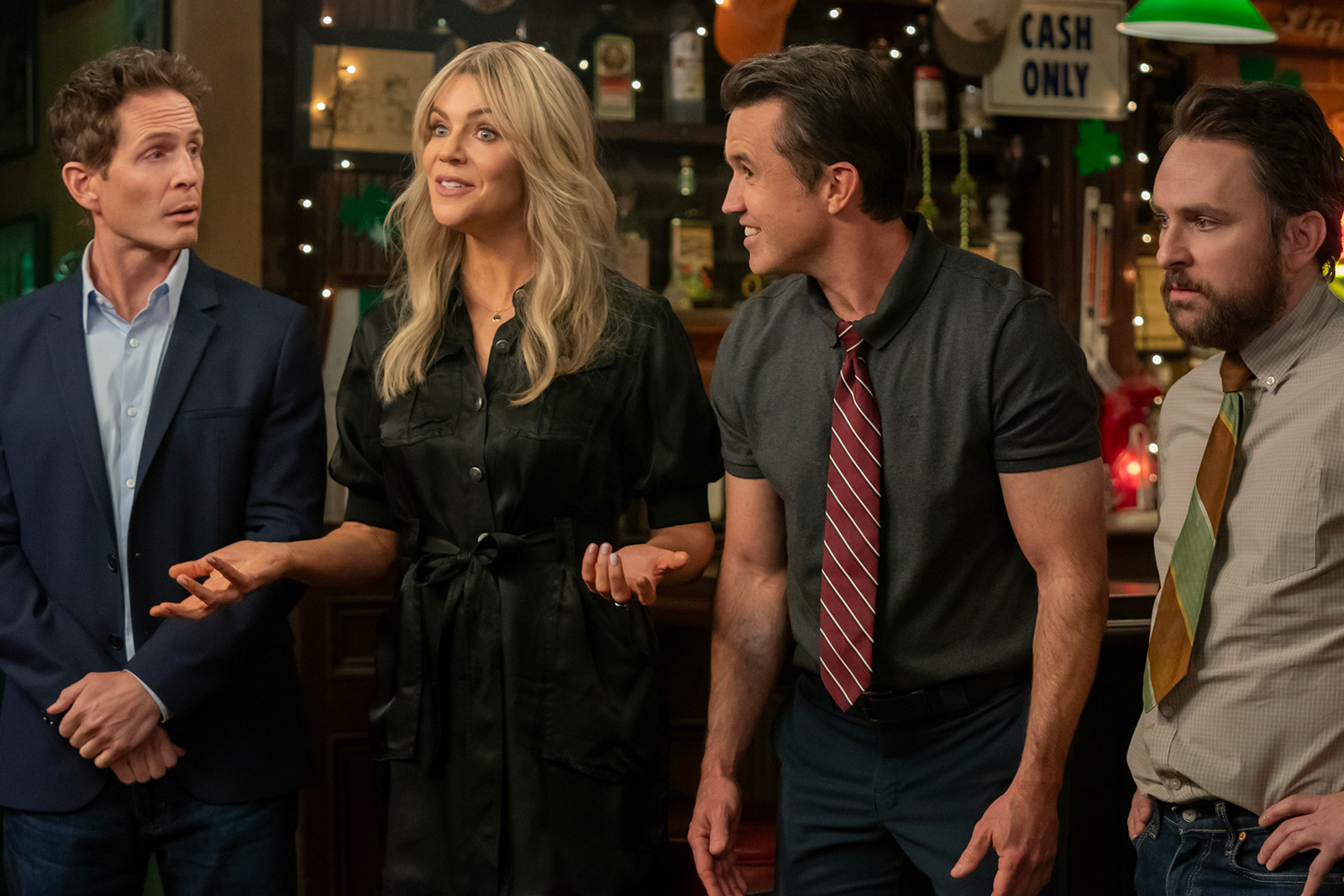
There’s something almost defiant about a show that’s been on the air since 2005 and still doesn’t feel like it’s running on fumes. It’s Always Sunny in Philadelphia returned this week to FX, marking another lap around the sun for Dennis, Dee, Charlie, Mac, and Frank, a group of deliberately terrible people whose appeal has somehow only sharpened with age. No farewell tour. No “final season” marketing campaign. Just another round of chaos.
The longevity itself is the story. This isn’t prestige television clawing for relevance or a franchise desperate to squeeze one more billion-dollar spin-off. It’s a comedy that built its entire identity on being deliberately lowbrow, anarchic, and unbothered by the networks’ obsession with “growth arcs” and “character development.” The show’s refusal to soften or evolve into something more palatable is exactly why it still works. Mac remains an obnoxious himbo, Dee is still the punchline, Charlie still can’t read, Dennis still harbors deeply disturbing impulses, and Frank continues to be a walking crime scene. The formula hasn’t changed because the formula was always perfect.
What’s remarkable is how the show has managed to remain culturally sharp while operating in plain sight for nearly 20 years. There’s no prestige coating, no awards credibility, no think pieces about why it matters. It just keeps existing in that grimy corner of television where it’s always been, doing the same thing with the same people, refusing to acknowledge that it’s supposed to get old. In an era when every show feels obligated to announce its conclusion years in advance, there’s something genuinely radical about a series that simply won’t say goodbye.