A first look at how The Met is turning the dressed body into a full-scale conversation between clothing, sculpture, and art history.
A New Chapter for Fashion at The Met
The Metropolitan Museum of Art is preparing for one of its most ambitious fashion presentations yet with its spring 2026 exhibition, “Costume Art.” The show will also set the stage for the annual Met Gala 2026, which will follow the “Fashion is Art” dress code and serve as the fundraising centerpiece for the Costume Institute.
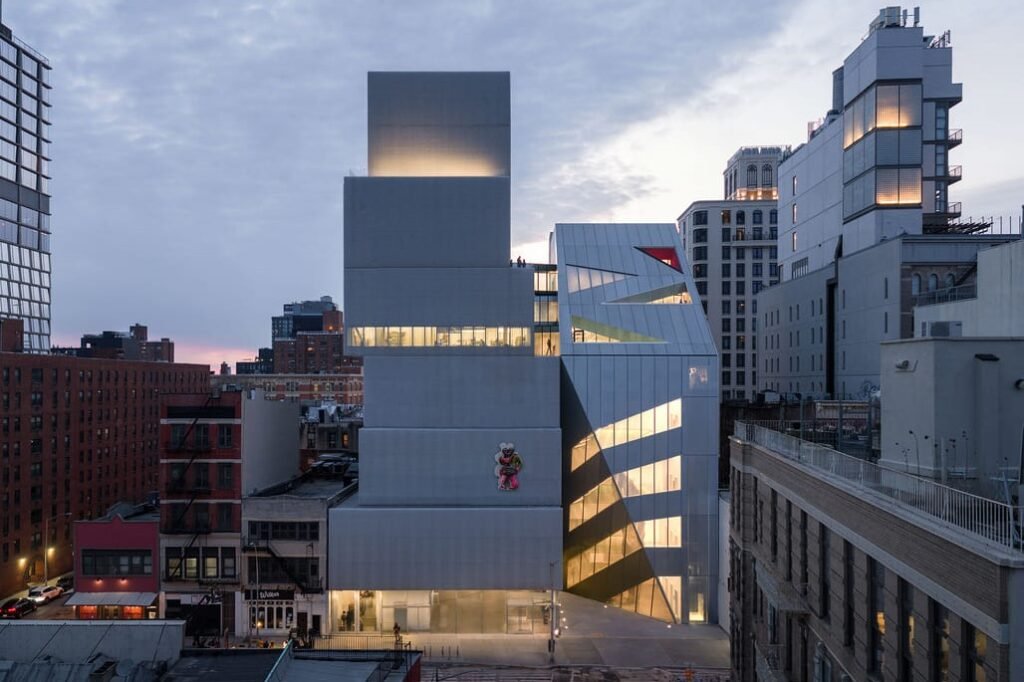
The exhibition debuts the museum’s new 12,000 square foot Condé M. Nast Galleries, a major expansion designed to elevate fashion’s place within the museum’s broader artistic narrative.
Clothing Meets Art History on Equal Ground
Curated by Andrew Bolton, “Costume Art” brings together nearly 400 objects spanning over 5,000 years, pairing garments directly with works of fine art. Instead of treating fashion as separate from art, the exhibition places them in direct dialogue.
The show is organized around thematic interpretations of the human body, exploring ideas such as the classical body, the aging body, and the pregnant body. This structure allows garments and artworks to reflect shared ideas of form, identity, and representation across time.
A Radical Way of Seeing the Dressed Body
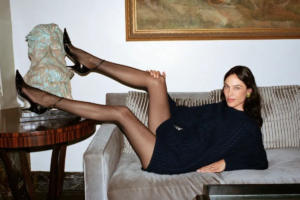
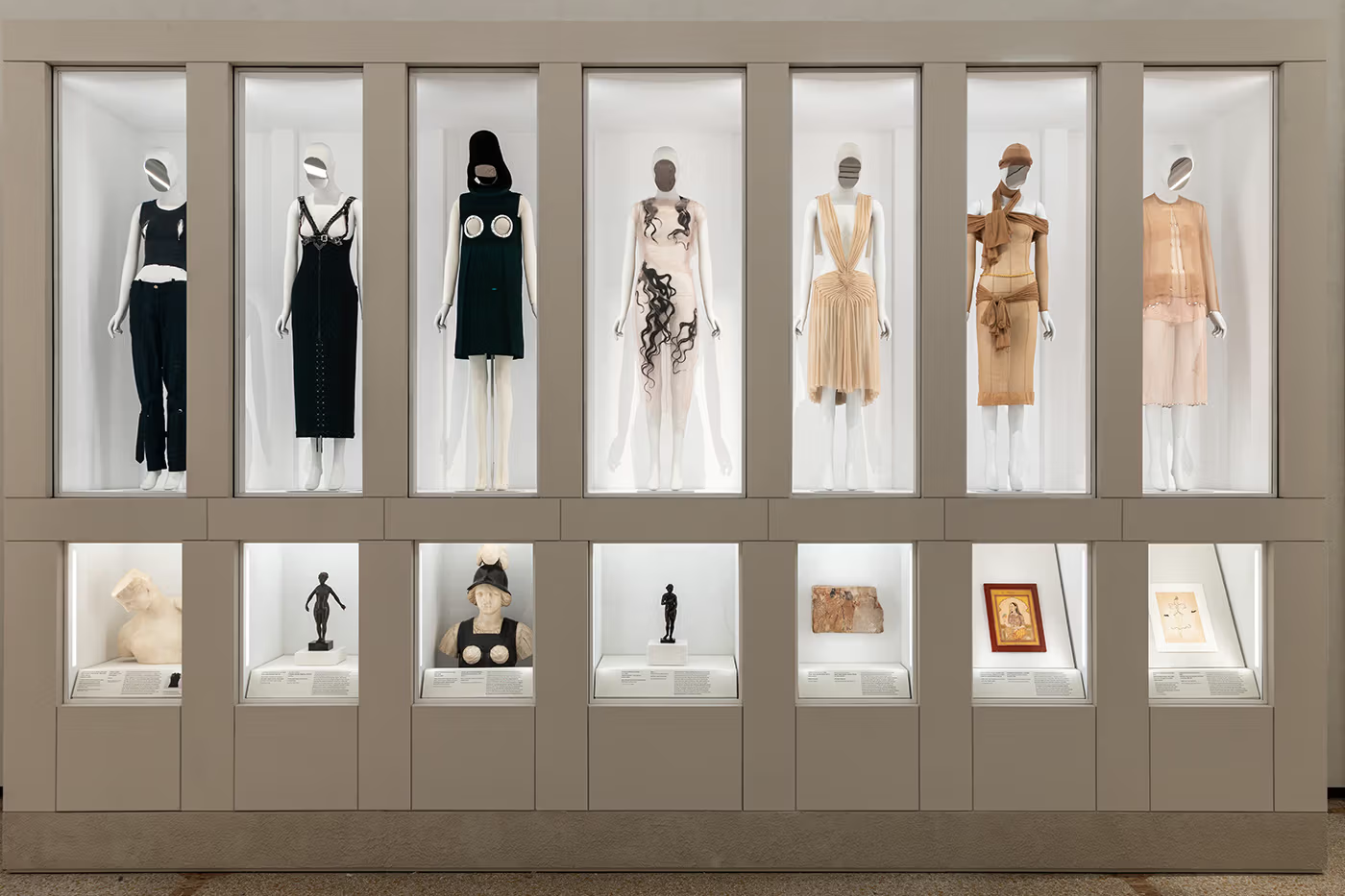
One of the most distinctive elements of the exhibition is its presentation strategy. Clothing is displayed alongside sculptures and paintings on equal visual footing, reinforcing the idea that the dressed body itself is a form of art.
Mannequins designed with reflective steel heads further blur the line between viewer and object, turning the exhibition into an experience that reflects both historical and contemporary perspectives on identity.
Where Fashion Becomes a Living Archive
Key pairings throughout the show bring unexpected connections to life, placing contemporary designers next to ancient sculpture and classical painting. The result is a layered narrative that reframes fashion as an evolving artistic language rather than a seasonal industry.
Opening to the public on May 10, 2026, “Costume Art” positions fashion not as an accessory to art history, but as one of its central voices.