A 1908 Meiji-era detention facility in Nara becomes 48 designer suites, rewriting what luxury adaptive reuse can do.
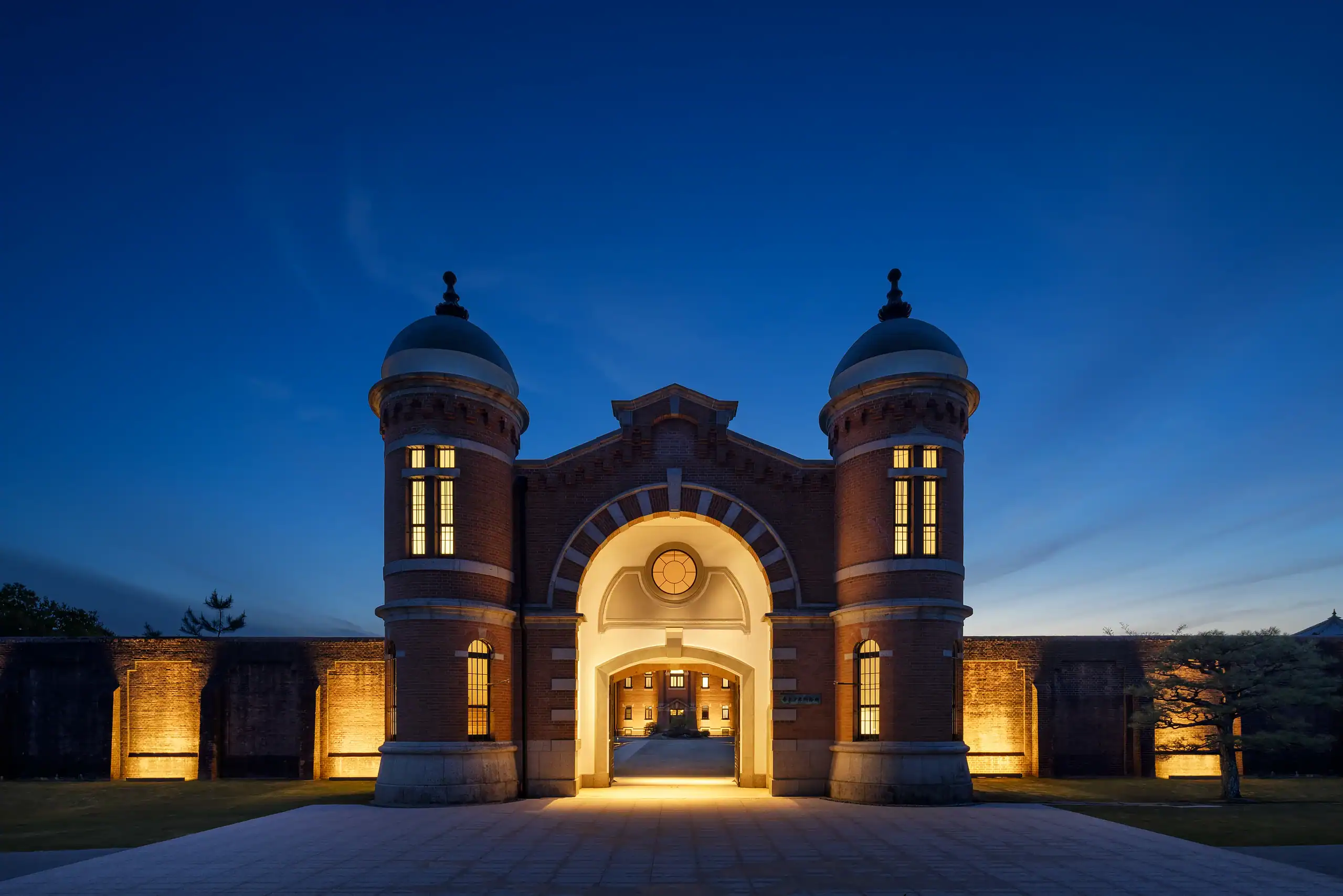
Hoshinoya has just opened what might be the most architecturally provocative hotel Japan has seen: a complete transformation of a 115-year-old prison into 48 designer suites in Nara. The building, originally constructed during Japan’s Meiji period, sat dormant until the hospitality group decided to preserve its skeleton while gutting and reimagining the interior as a contemporary luxury property.
The conversion keeps the facility’s original concrete and steel structure intact, a deliberate choice that honors the building’s history without sanitizing it. Hoshinoya’s design approach treats the renovation as archaeological restraint rather than erasure, letting the bones of the old institution show through while wrapping guests in minimalist, high-end interiors. The 48 suites occupy what were once cells and administrative spaces, each one a study in how to live inside a repurposed institutional building without pretending it wasn’t one.
The property is now accepting bookings, positioning itself at the intersection of heritage tourism, architecture tourism, and the broader Asian luxury hospitality boom. Nara, already densely stacked with temples and historical monuments, gains a hotel that’s actually about its own process of transformation rather than just gesturing toward the past. Hoshinoya’s gamble is that travelers increasingly want to stay inside history rather than simply observe it from a distance.