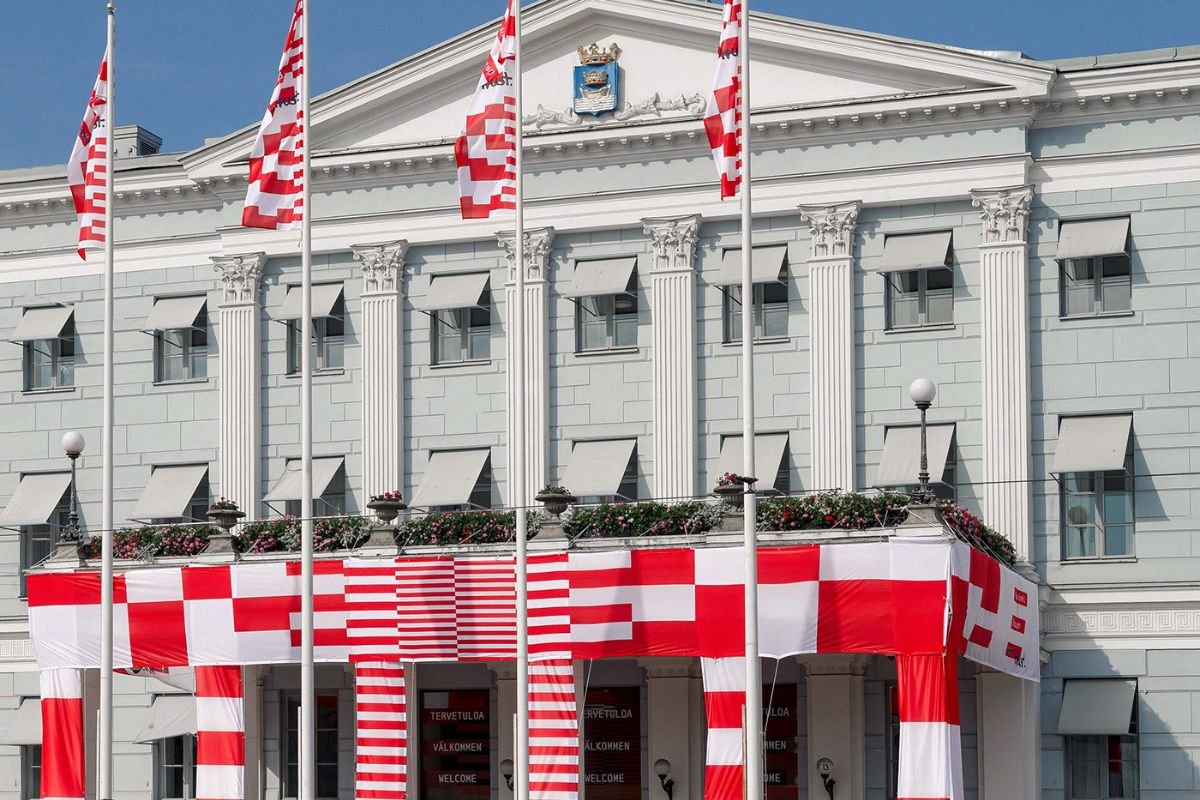
The Nordic festival’s latest edition pivots to urgent questions about community and collaboration in cities, centering a theme that challenges designers to think beyond individual practice.
Helsinki Design Week has entered its third decade with a deliberate shift in focus. The 21st edition, anchored by the thematic framework “The Oncoming Other,” positions the annual gathering as a platform for reckoning with how cities accommodate strangers, neighbors, and the collective body that inhabits shared space. Rather than celebrating autonomous design objects or isolated creative vision, this year’s program structures itself around the messy, necessary work of designing for coexistence.
The festival format spans the full architecture of contemporary design culture. Exhibitions across Helsinki’s design district present speculative work and critical research. A series of conversations brings practitioners, theorists, and community voices into dialogue. Open showrooms allow designers to operate in real time, collapsing the distance between conception and public encounter. Together, these mechanisms transform the event from a celebratory showcase into something closer to a working laboratory for urban futures.
At 21 years, Helsinki Design Week has long functioned as one of Northern Europe’s most influential design calendar events. This edition’s thematic turn reflects a broader cultural reckoning within design disciplines themselves, where questions of accessibility, equity, and shared welfare increasingly compete with luxury and aesthetic innovation as organizing principles. By making the stranger, the outsider, and the notion of arrival central to the programming, the festival suggests that design’s relevance depends on its willingness to engage public life as a site of genuine complexity rather than a neutral surface for styling.