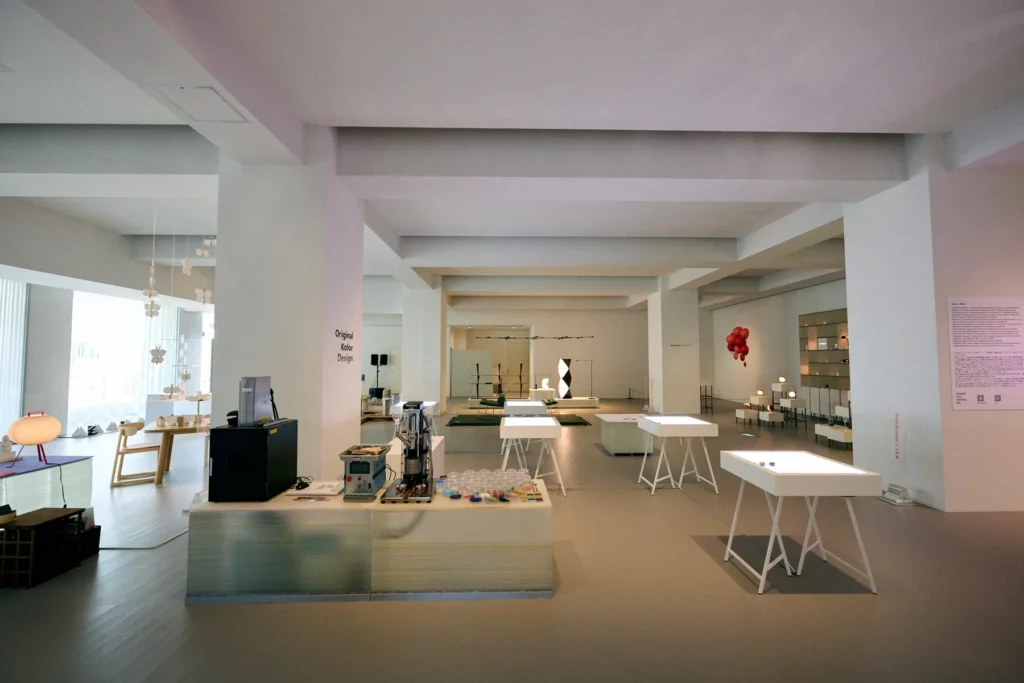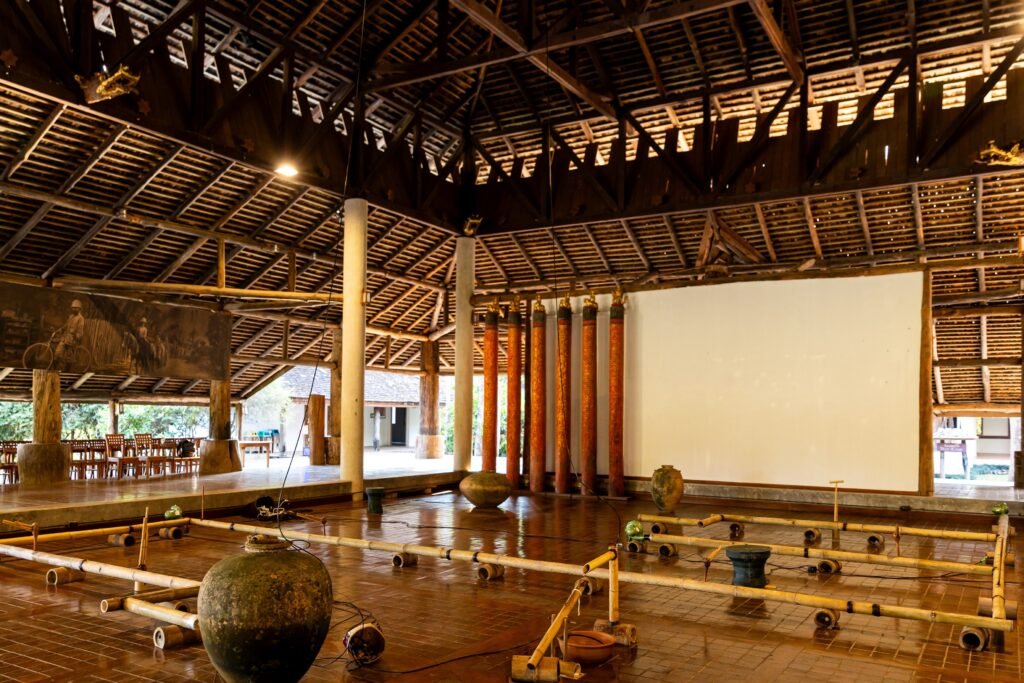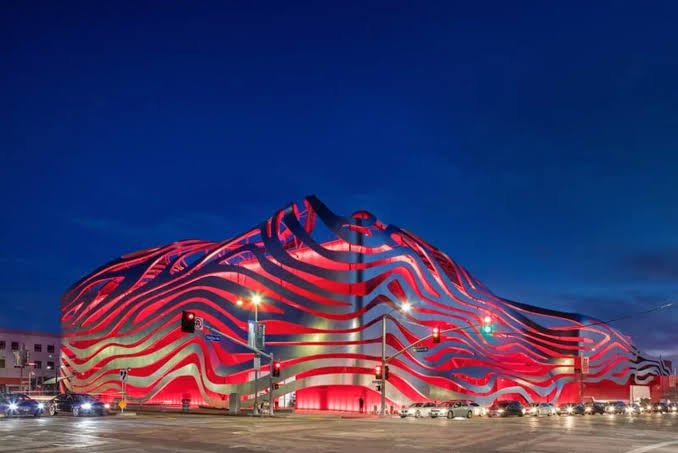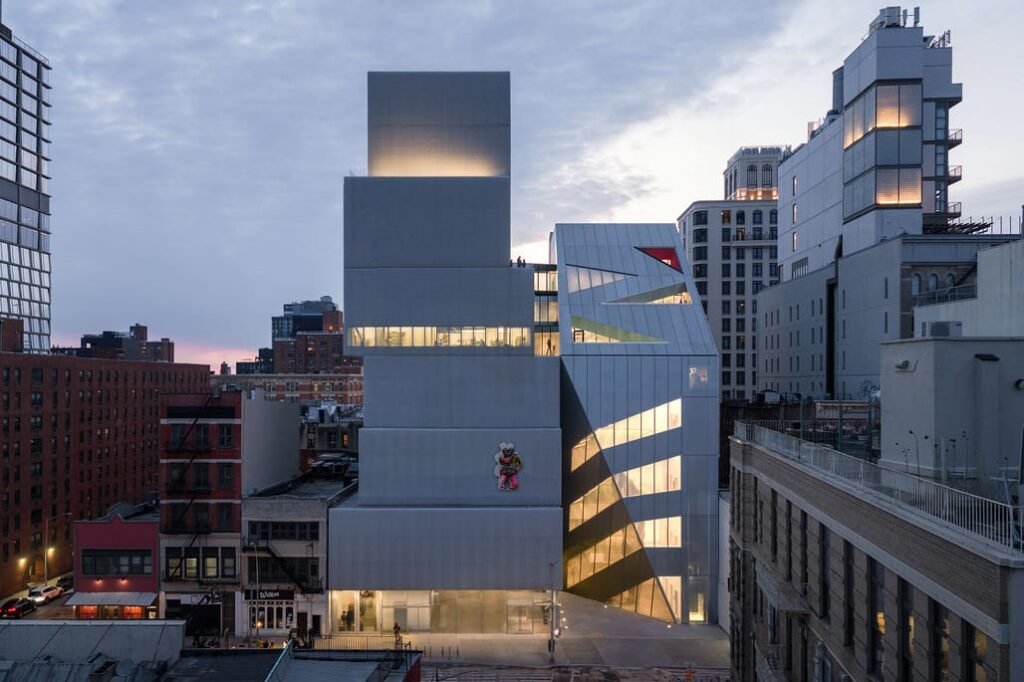
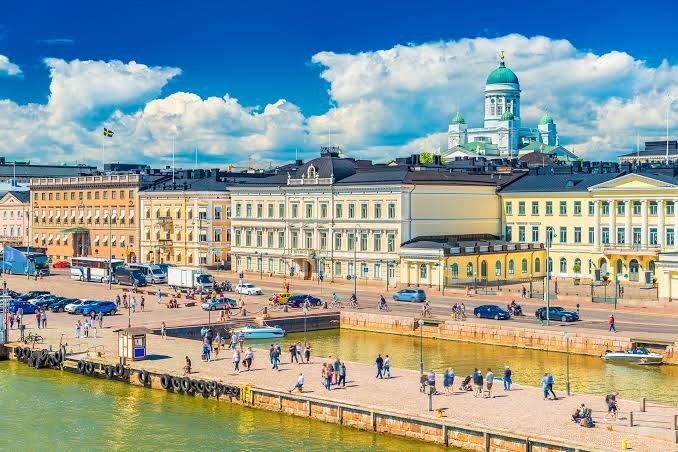
Finland’s capital transforms into a sprawling design laboratory each year, proving that good design isn’t confined to white-box galleries.
Every year, Helsinki doesn’t just host a design event, it becomes one. Design Week activates the entire city as a distributed exhibition, turning museums, galleries, studios, streets, and public spaces into nodes in a much larger conversation about how we live and build. It’s the kind of programming that makes you realize how parochial the typical gallery-centered design calendar actually is.
What makes Helsinki’s version work is exactly what makes it feel essential rather than exhausting. The festival isn’t a single venue you trek to and check off. Instead, it’s woven into the everyday geography of the city itself. Designers open studios. Institutions mount focused shows. Public spaces host installations and talks. The effect is less “design week” and more “design saturation,” but in a way that feels natural rather than forced. You stumble into something interesting while getting coffee. A conversation happens on a street corner. The format itself becomes the message about what design actually is in 2024: not a luxury bracket or a separate discipline, but infrastructure for living.
Northern Europe has no shortage of design events, but Helsinki’s version has carved out real cultural weight over years of consistent programming and curatorial vision. It’s the kind of event that attracts serious designers, architects, and creative practitioners across disciplines, not just trend-chasing attendees. The city’s deep design culture (built on everything from early modernism to contemporary craft traditions) means the programming reflects actual creative stakes, not just prestige by association.
The week hits different precisely because Helsinki treats design as a legitimate urban practice, not a separate world. That stance, boringly radical as it sounds, is why the event keeps mattering.