A slate of high-profile exhibitions across Europe this month reframes contemporary architecture around human-centered design and social responsibility.
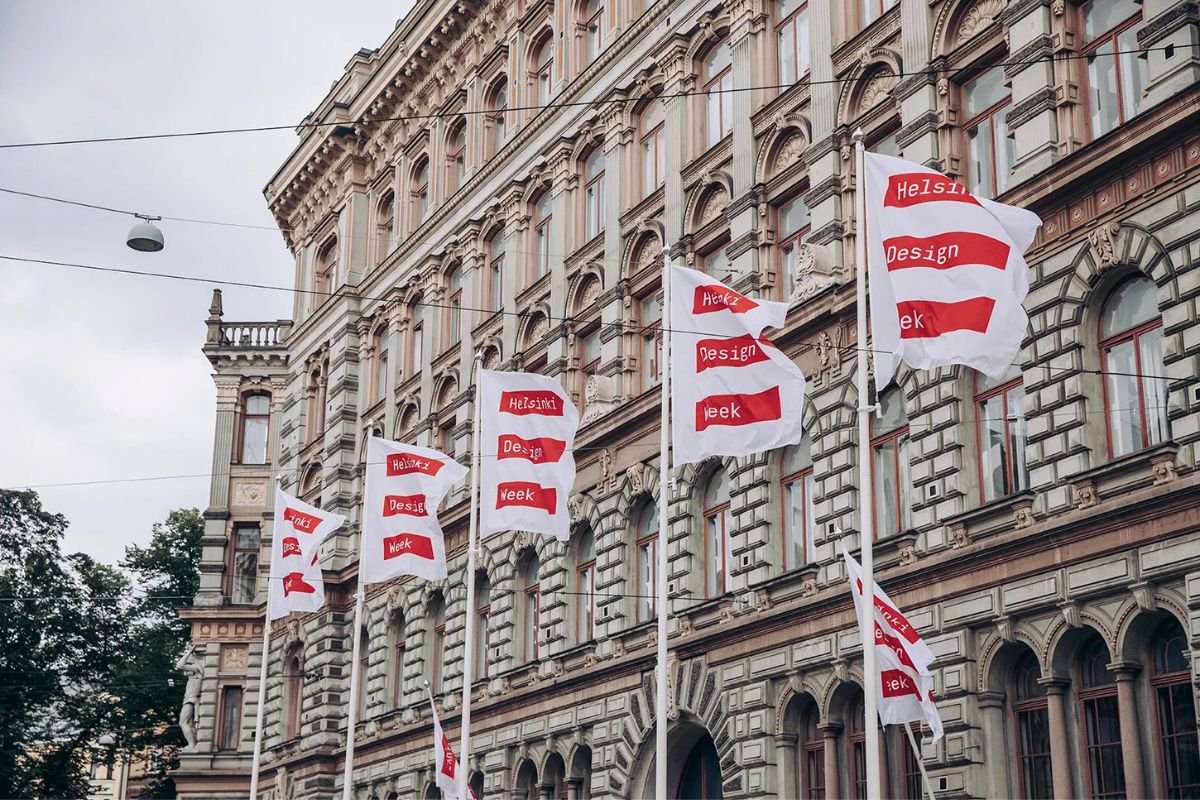
Helsinki Design Week is steering the August design conversation toward what curators are calling “architecture that cares,” a thematic pivot that places human welfare and sustainable practice at the center of the month’s major exhibitions. The Finnish capital’s design festival arrives alongside a constellation of retrospectives and installations across Europe, including major presentations of work by Zaha Hadid and Norman Foster, two architects whose legacies span radically different formal vocabularies but increasingly converge on questions of social impact.
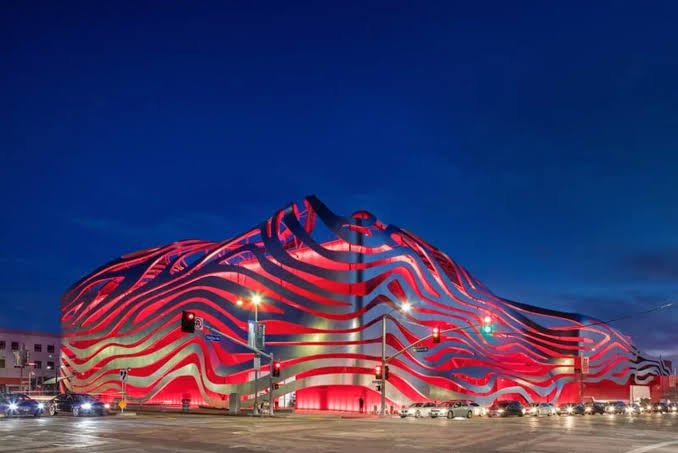
The exhibitions reflect a broader shift in how the design establishment is evaluating architecture in 2026. Rather than celebrating purely formal innovation or signature stylistic moves, curators are highlighting projects that address climate adaptation, public accessibility, and community resilience. Hadid’s flowing, parametric forms are being contextualized alongside functional urban interventions, while Foster’s minimalist modernism is being reassessed through the lens of energy efficiency and adaptable spaces. The pairing signals a maturation in architectural discourse, one that treats aesthetic risk and ethical responsibility as inseparable.
August’s event calendar spans major institutions across Northern Europe, with Helsinki anchoring the conversation but exhibitions extending into other cultural centers. The programming suggests a deliberate attempt by galleries and museums to position design culture as engaged with real-world problems rather than isolated in the realm of pure aesthetics. For galleries, institutions, and the architects themselves, the month amounts to a high-stakes moment of retrospection and repositioning.