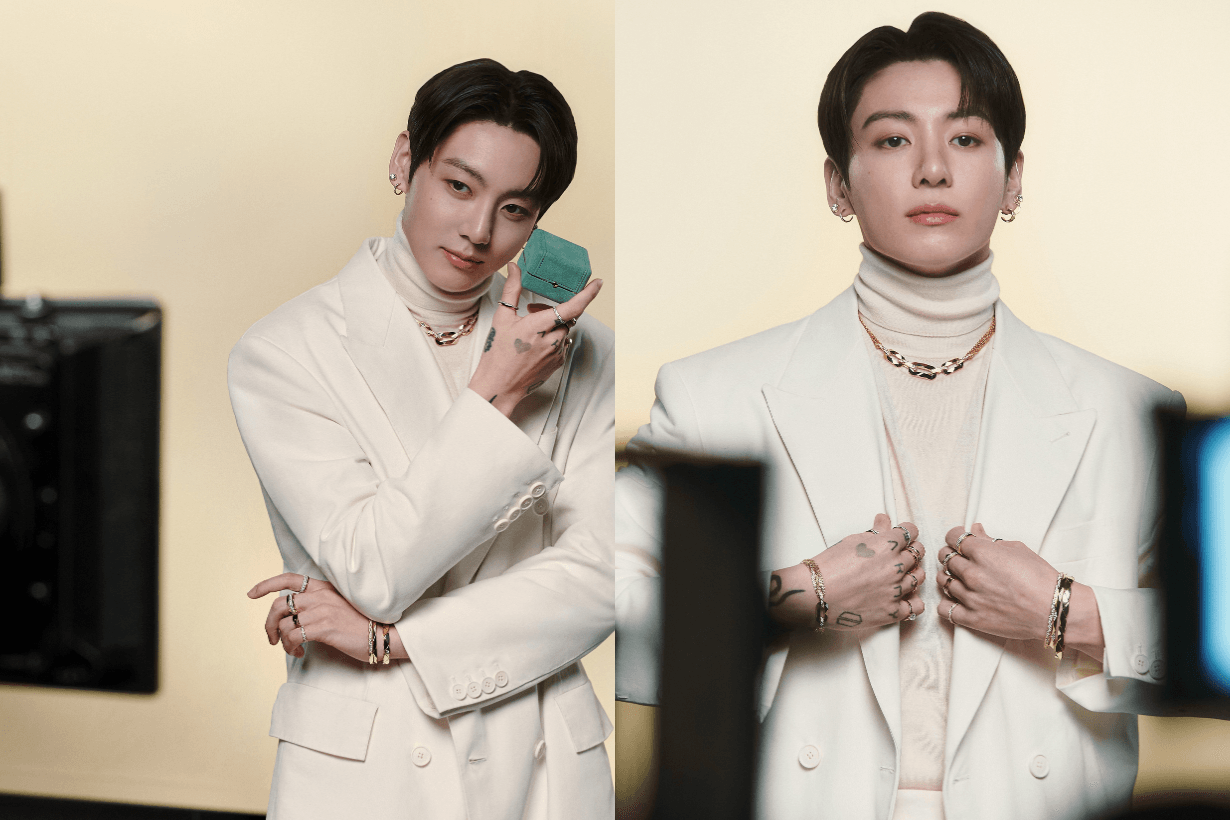
Graff I Wish Campaign: The BTS superstar becomes the face of the British luxury jeweller’s most ambitious festive collection yet, anchored by unisex pieces and seven-carat stones.
Jung Kook has become the latest global superstar to anchor a major luxury campaign, stepping into the role of brand ambassador for Graff’s “I Wish” holiday collection and campaign. The BTS frontman’s involvement marks a significant moment for the London-based jeweller, which has historically built its reputation on ultra-high-net-worth clientele and red-carpet moments. This campaign represents a deliberate pivot toward reaching Gen Z wealth and the streaming generation, using one of pop’s most bankable figures to signal that high jewellery can speak to younger audiences without sacrificing prestige or craft.
Graff, the British jeweller known for its work with celebrities and royalty, has positioned the “I Wish” collection as its most opulent festive offering to date. The campaign centres on pieces featuring seven-carat diamonds, a scale that positions these items firmly in the realm of serious investment jewellery rather than accessible luxury. What distinguishes this collection from Graff’s traditional output is its commitment to unisex design language. Rather than defaulting to the gendered codes of traditional luxury (delicate feminine pieces versus bold masculine statements), Graff has constructed the “I Wish” line around jewels that exist beyond those binaries. This design philosophy reflects a broader shift within luxury, where younger customers increasingly reject aesthetic categories tied to gender presentation.
Jung Kook’s selection as campaign face carries specific cultural weight. Within the BTS ecosystem, he occupies a particular position: the Golden Maknae (the group’s youngest member), known for his vocal range, dance ability, and a personal style that moves fluidly between streetwear codes, high fashion, and understated luxury. His visibility on social media, where he commands hundreds of millions of followers across platforms, provides Graff with direct access to a demographic that traditional luxury advertising has struggled to penetrate. The campaign launches during a period when celebrity fragmentation means that individual artist visibility often outpaces traditional celebrity hierarchies. Jung Kook’s cultural moment, bolstered by BTS’s ongoing global dominance even as the group navigates member military service requirements, makes him a valuable asset for a house looking to expand beyond its core clientele.
The unisex positioning of the collection itself warrants deeper examination. For decades, luxury jewellery marketing has operated under the assumption that diamonds require a gendered frame to sell: engagement rings and tennis bracelets for women, cufflinks and signet rings for men. Graff’s willingness to present seven-carat diamonds as pieces that transcend these categories suggests confidence in a customer base that prioritizes personal expression over coded luxury signalling. This approach also sidesteps the persistent historical baggage embedded in diamond marketing, particularly around engagement rings and their association with heteronormative relationship narratives. By divorcing the stones from those frameworks, Graff positions the “I Wish” collection as jewellery for self-adornment and personal investment rather than relationship milestones.
Jung Kook’s involvement also reflects how luxury houses now calibrate campaigns across different markets and customer segments. His massive following in South Korea, where BTS operates as a cultural phenomenon with influence rivalling that of government announcements during their peak visibility, provides Graff with meaningful penetration into Asian markets without requiring traditional celebrity endorsement structures. The unisex design language similarly plays differently across geographies, where fashion attitudes toward jewellery and presentation vary significantly from market to market. A seven-carat diamond marketed through Jung Kook reaches everyone from K-pop collectors with disposable income to established collectors reassessing how they want to wear and think about high jewellery in their personal lives.
Jung Kook’s involvement also reflects how luxury houses now calibrate campaigns across different markets and customer segments. His massive following in South Korea, where BTS operates as a cultural phenomenon with influence rivalling that of government announcements during their peak visibility, provides Graff with meaningful penetration into Asian markets without requiring traditional celebrity endorsement structures. The unisex design language of the Graff I Wish campaign similarly plays differently across geographies, where fashion attitudes toward jewellery and presentation vary significantly from market to market. A seven-carat diamond marketed through Jung Kook reaches everyone from K-pop collectors with disposable income to established collectors reassessing how they want to wear luxury.
Sources: countryandtownhouse.com