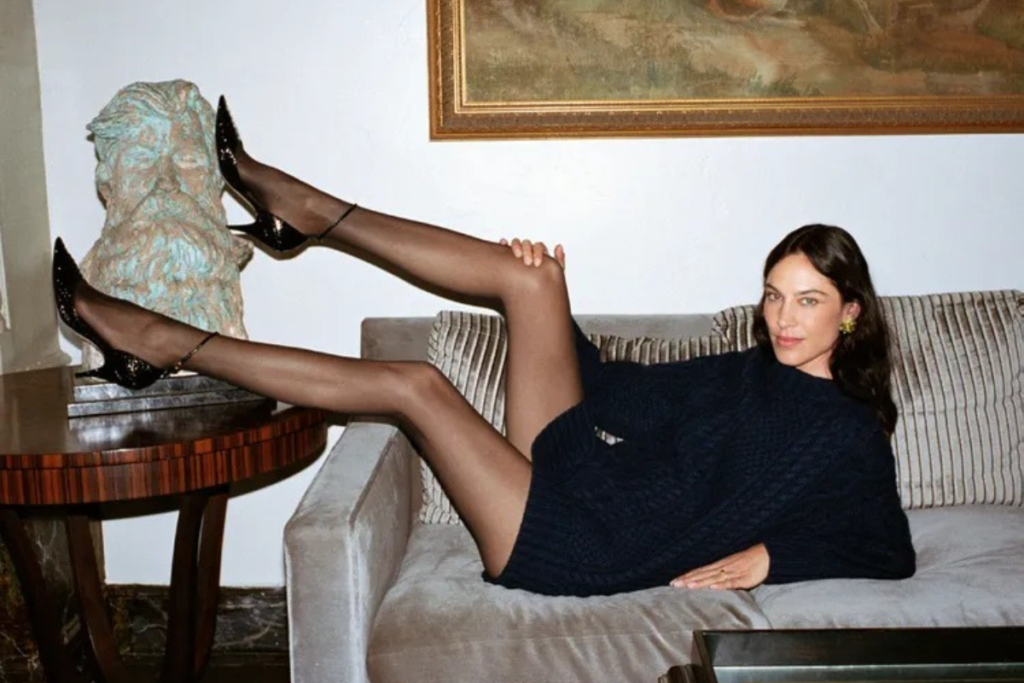
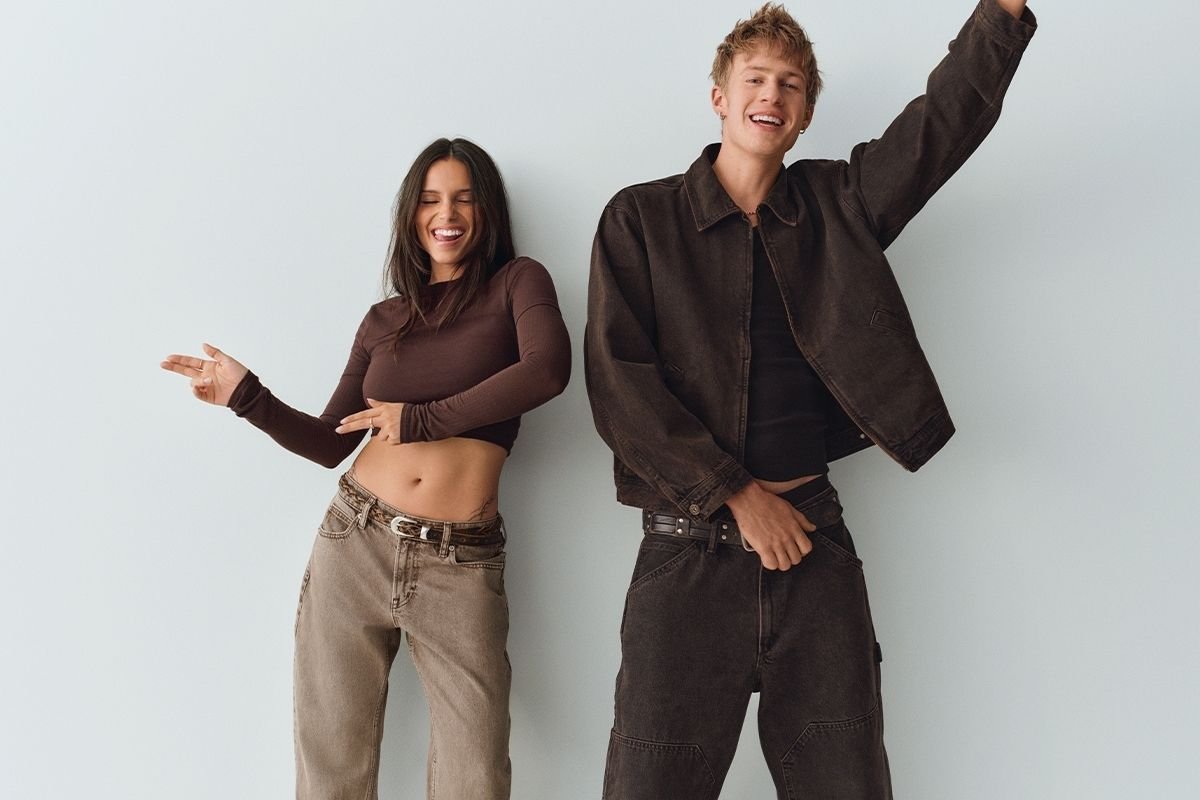
Gap Fall 2026 Campaign: Malcolm Todd rewrites an iconic dance anthem for Gap’s new denim campaign, blurring the line between commerce and genuine music creation.
Gap’s fall 2026 campaign just bet that Gen Z will care more about the song than the jeans. For this bold new initiative, the retailer commissioned rising producer Malcolm Todd to create an original composition inspired by and reworking Robyn’s unmistakable sound, a move that reframes both the brand and Todd himself as something more than passive consumers of existing hits. The resulting track powers “Denim on Your Own,” a campaign built around unstructured, personalized denim styling, and it arrives at a moment when fashion brands have largely abandoned the assumption that a licensed indie anthem will do the heavy lifting.
What makes this interesting isn’t that Gap hired a producer to make music for an ad. It’s that they handed him the keys to reimagine a specific artist’s sonic DNA rather than just licensing a track wholesale. Todd, who has been building momentum in electronic and experimental pop circles, wasn’t asked to make Gap jingles or compose elevator-ready background score. He was tasked with something closer to fan art, executed at a budget level that most emerging producers will never access. That tension, between commercial assignment and genuine artistic constraint, is where the campaign actually lives. The track isn’t “Robyn’s new song”; it’s Todd’s interpretation of Robyn’s world, which means Gap is essentially betting that their audience will recognize and engage with that creative gesture rather than just the logo.
The “Denim on Your Own” concept itself tracks with a larger cultural move away from overstyled, influencer-approved fashion toward something more deliberately rough and personal. Pairing that with an original composition that nods to dance music’s maximalist tradition without copying it signals that Gap understands their core customer wants permission to look unconventional. As more brands explore similar partnerships with emerging producers, Gap’s fall 2026 campaign may well signal a wider shift: the end of passive music licensing and the beginning of genuinely collaborative soundtracking, where the ad becomes as much about the artist’s voice as the brand’s message.