Germany’s financial powerhouse trades the trading floor for the drawing board, hosting a month-long global design conversation rooted in democracy and civic imagination.
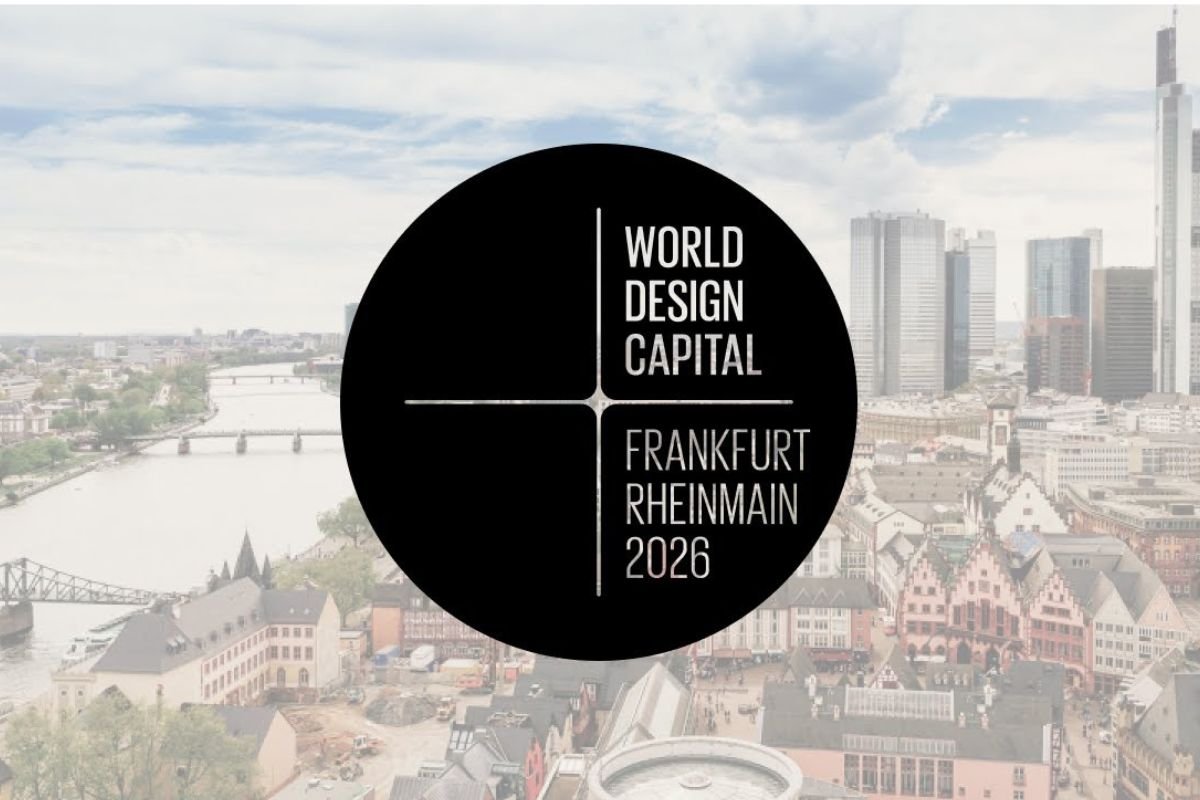
Frankfurt has won the title of World Design Capital for 2026, and the city’s response feels less like a trophy moment and more like a creative mandate. The designation arrives at a moment when the German metropolis is already reframing itself beyond the banking towers and corporate machine that built its reputation. Now the city gets to stage a month-long argument about what design actually means, who gets to shape it, and why it matters to the future of how we live.
The timing matters. Frankfurt chose democracy as its curatorial theme, a deliberate pivot from the glossy-magazine version of design capital that tends to celebrate objects and aesthetics in isolation. Instead, the city is positioning design as a public process, a tool for collective decision-making and urban problem-solving. That’s a harder sell than a pristine furniture showroom, but it’s the conversation the city wants to have during its moment in the global spotlight.
What unfolds across that month is the real machinery of the crown: exhibitions, installations, workshops, and symposiums spread across the city, folding design conversations into neighborhoods and public squares rather than confining them to convention centers. The formula transforms a single honor into something closer to a working laboratory, where international designers, architects, and thinkers descend on Frankfurt not to celebrate what already exists but to test what’s possible. For a city still learning how to talk about itself beyond finance and industry, that reframing is the real victory.