Germany’s first World Design Capital is running the month under a heavy political thesis: design as a tool for democratic participation.
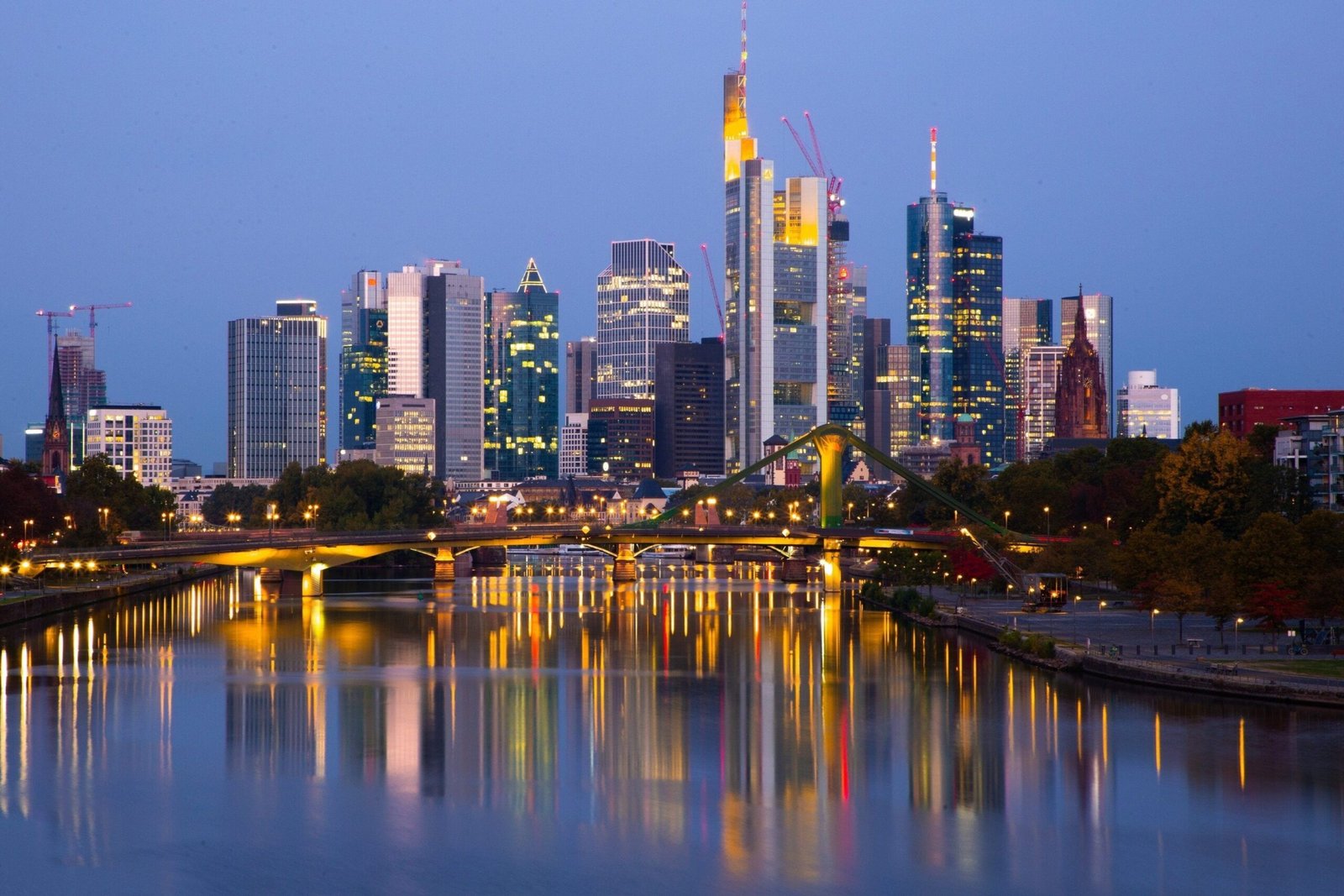
Frankfurt is not subtle about what it’s doing this August. As the first German city to hold the World Design Capital title, the financial hub has essentially weaponized the entire month, flooding the calendar with 2,000 events that operate under a single provocative umbrella: design for democracy. It’s a curatorial bet that feels almost confrontational in its earnestness, especially in a year when design discourse has increasingly retreated into aesthetics and luxury signaling.
The scale alone is disorienting. Two thousand events across a single city over 31 days means design is hitting infrastructure, public space, galleries, classrooms, and street corners simultaneously. There’s no room for the typical design month formula of a few blockbuster exhibitions plus some panel talks. Instead, Frankfurt is operating on the theory that democratic participation requires saturation, that you can’t talk about design as a tool for equity and inclusion without making it unavoidable, impossible to opt out of. Whether that’s architecture education workshops, civic design projects, or installations in transit hubs, the message is uniform: design belongs to everyone, not just those who can afford it or have the cultural capital to read design magazines.
What’s genuinely unusual is the political framework. “Design for Democracy” rejects the dominant luxury design narrative without veering into moralizing. Instead, it positions design methodology itself (research, iteration, user testing, accessibility) as fundamentally democratic practice. That’s a radical reframing in a culture that still treats design as a premium category. Whether Frankfurt can actually shift that perception across 2,000 events is another question. But the fact that a major cultural institution is trying, loudly and at scale, suggests something has shifted in what design capitals are supposed to do.