F.P. Journe Chanel Ebel: Two of watchmaking’s most respected houses just acquired the Swiss icon in a deal that redraws the entire mid-luxury landscape.
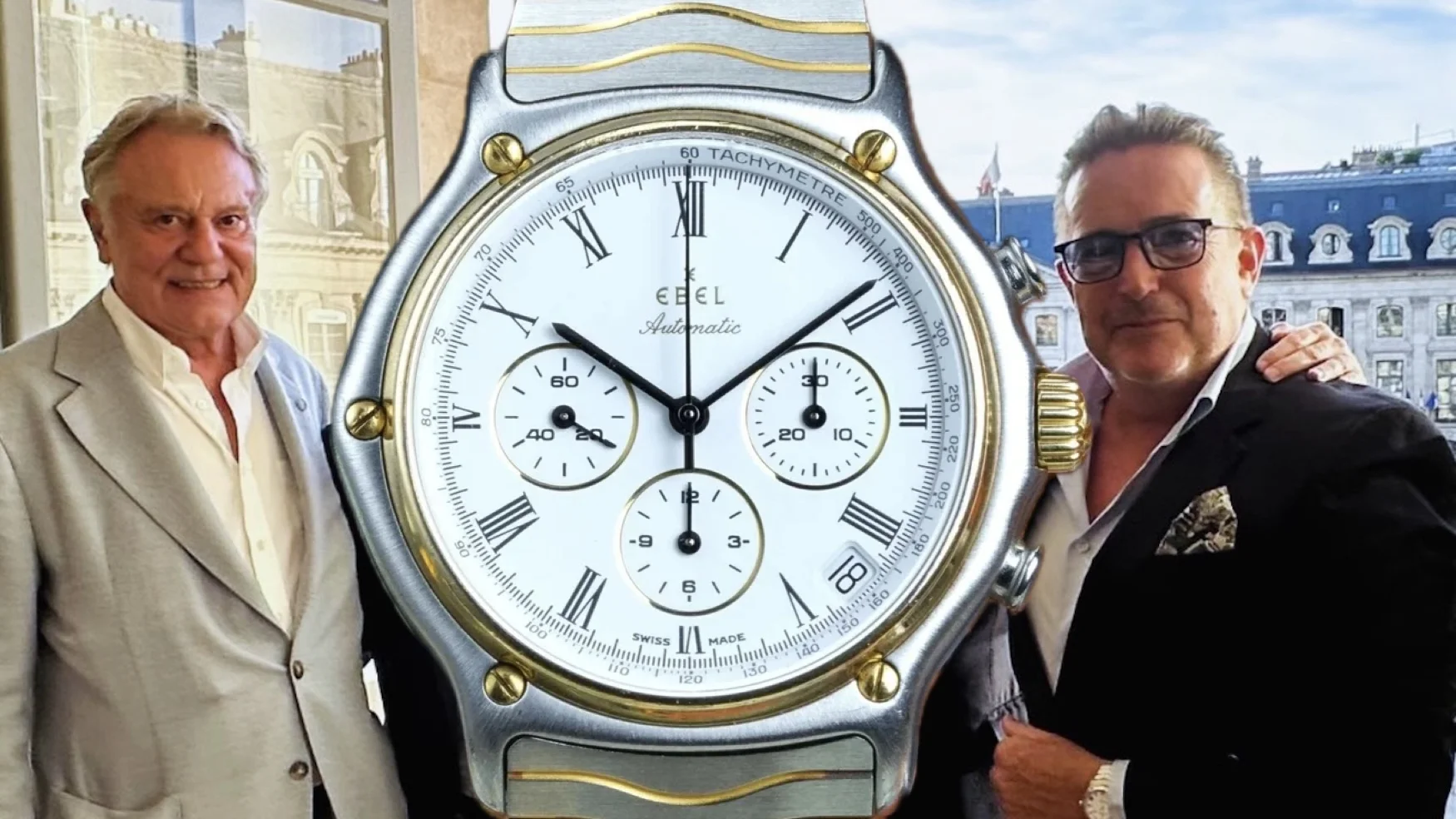
Ebel, the Swiss watchmaker whose 1911 origins trace back to the Eugène Blum and Alice Lévy partnership in La Chaux-de-Fonds, is now property of F.P. Journe and Chanel. The $66.5 million acquisition lands the storied brand squarely in the hands of two houses that operate at opposite ends of the prestige spectrum: Journe, the ultra-rare independent manufacture known for painstaking hand finishing and near-impossible waiting lists, and Chanel, the fashion powerhouse that treats horology as an extension of luxury lifestyle. This combination is less merger, more strategic resurrection.
Ebel built its reputation on clean, angular design and accessible entry points to mechanical watchmaking, the brand occupied the space between department store watches and true haute horlogerie. By the early 2000s, that positioning had calcified. Ebel lost cultural cache as fashion houses gobbled up independent watchmakers and as the mechanical watch market itself fractured between ultra-luxury collectors and fast-fashion quartz platforms. The brand shuffled through ownership, never finding coherent direction. Now, with F.P. Journe’s obsessive craftsmanship ethos and Chanel’s brand architecture machinery, Ebel gets both credibility injection and distribution muscle.
The real play here sits in what Chanel and Journe don’t need to do: compete for the same customer. Chanel’s watch business thrives on emotional luxury and design storytelling, reaching affluent buyers for whom horology is secondary to brand alignment. F.P. Journe operates in a universe of obsessives and micro-production cult followings. Through this F.P. Journe and Chanel Ebel partnership, the revived brand becomes a bridge between those universes, preserving Ebel’s DNA while threading it through Journe’s technical credibility and Chanel’s retail gravity.