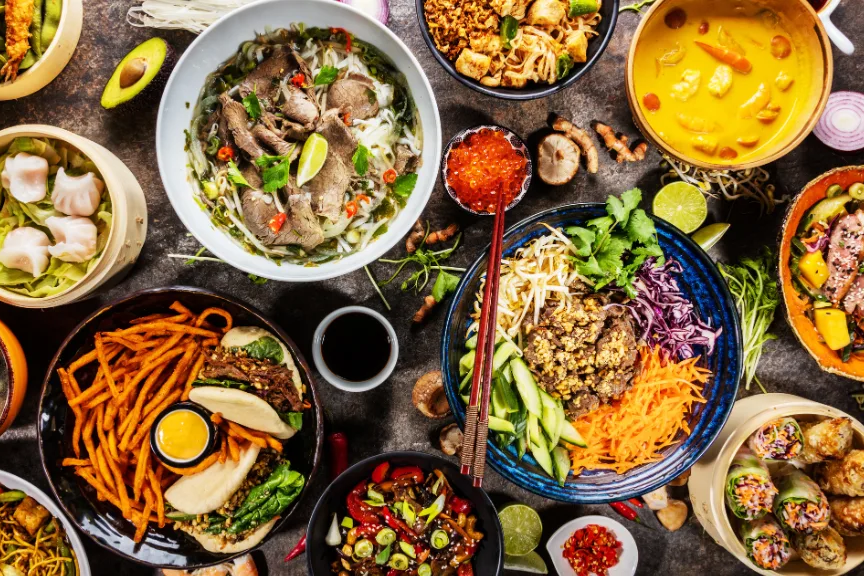
Forget the resort buffet, travelers in 2026 are ditching guidebooks for aprons, learning to forage, blend wine, and cook like locals.
The postcard view from a hotel balcony used to be enough. Not anymore. This year, culinary tourism has become the main event, with travelers swapping passive sightseeing for experiences that end in actual edibility. Foraging expeditions into regional forests, intimate winery sessions where you blend your own bottles, hands-on cooking classes in someone’s actual kitchen, pasta-making workshops in rural villages, these aren’t add-ons to a trip. They’re the reason people are booking flights.
What’s shifted is the appetite itself. The old food-tourism model was aesthetic and safe: curated tasting menus, guided restaurant tours, maybe a cooking demo you watched from a stool. The 2026 version asks for participation. You’re not hearing about truffle hunting from a sommelier; you’re muddy, searching the forest floor in Piedmont. You’re not tasting a winery’s finished product; you’re deciding the blend ratios, understanding why it matters. The hands get dirty. The learning curve is real. That friction is exactly what makes it feel authentic.
The numbers confirm what the Instagram stories already show: this isn’t a niche segment anymore. Culinary-focused travel is growing faster than traditional tourism, driven by travelers who’ve realized that the most memorable part of a destination isn’t the monument you photograph, it’s the meal you made, the technique you learned, the person who taught you why their region’s food tastes like nowhere else. The passport-stamping vacation is over. The cooking-with-purpose trip is what’s filling up booking sites.