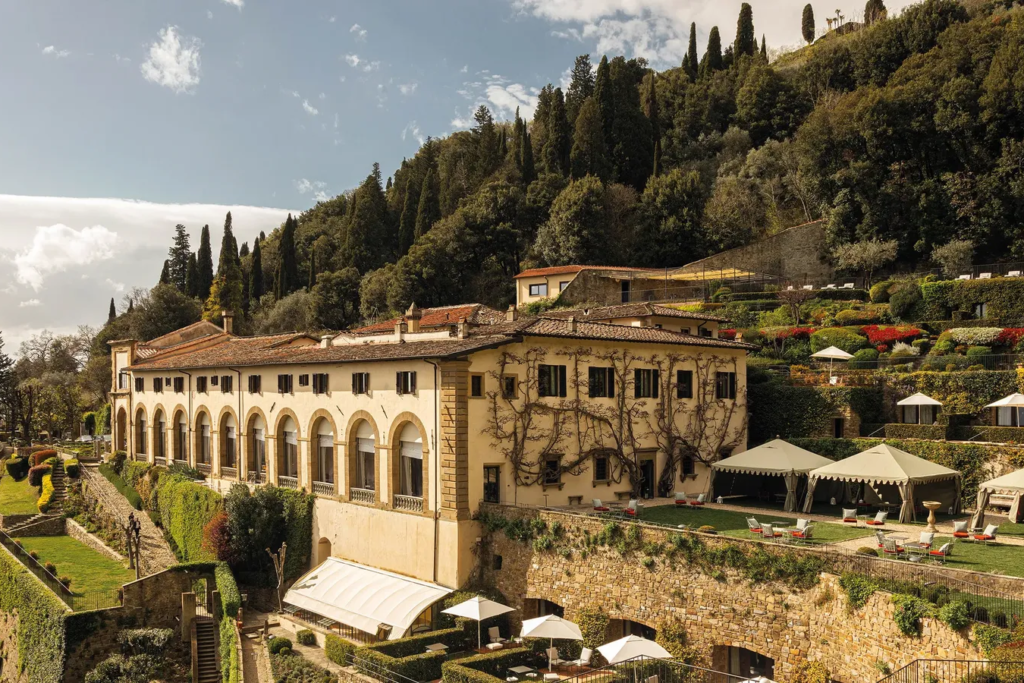
The thermometer outside the Colosseum hit 34 degrees Celsius last month. In Barcelona, the Mediterranean felt like bathwater. Across the continent, sweat-soaked tourists were cramming into air-conditioned museums and paying €18 for a bottle of water at sidewalk cafés, while the genuinely wealthy were already booking their fall luxury travel for September instead. The shift isn’t subtle: luxury travel bookings are up 59 percent year-over-year, with September sales alone jumping 77 percent. The industry is experiencing a tectonic calendar shift, and those still clinging to traditional peak season are getting left behind.
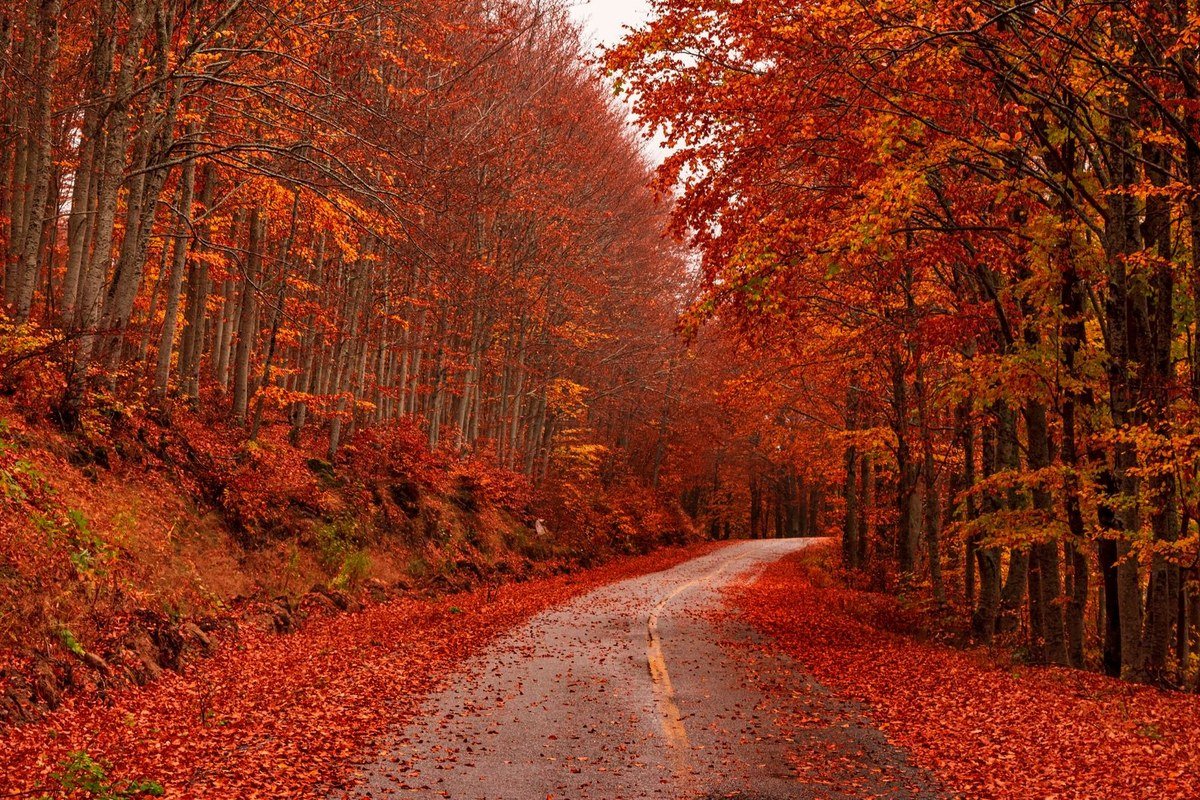
What’s happening isn’t just a preference tweak. Wealthy travelers are systematically abandoning the scorching European summer that dominated the 20th century travel fantasy. They’re moving their holidays to autumn, when Rome is actually walkable, when the Amalfi Coast doesn’t feel like a heat death competition, and when a Michelin-starred dinner doesn’t require changing clothes three times beforehand. Boutique hotels and ultra-luxury operators are scrambling to recalibrate: staffing models built around July and August peaks are suddenly misaligned with September demand. Some luxury properties are already restructuring their entire operational calendar. The concierge networks, private jet services, and bespoke itinerary builders that once treated autumn as a shoulder season are now building it out as their profit center.
The cultural weight of this shift is harder to quantify but worth noting. Summer has been coded into European tourism since the Grand Tour. August in Europe meant something specific to the moneyed class for centuries. But that mythology collapses when reality becomes unbearable. Climate isn’t just affecting when people travel, it’s rewriting which seasons define fall luxury travel and reshaping the entire luxury hospitality industry for years to come.