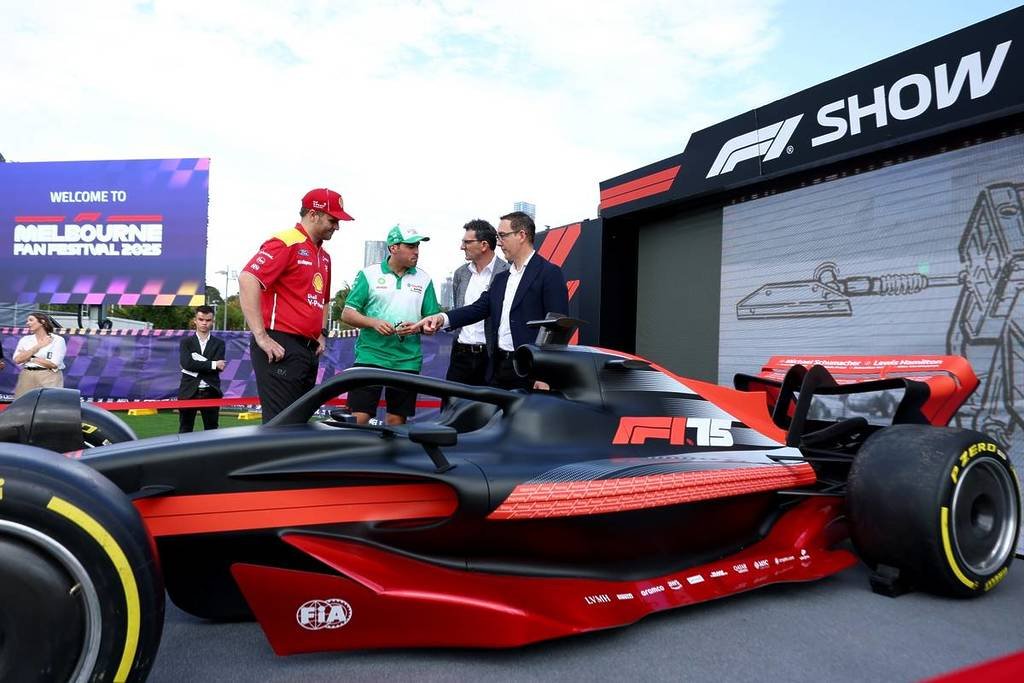
The Melbourne Grand Prix proved Formula 1 has transcended motorsport to become the cultural stage where luxury brands, celebrities, and streetwear collide.
Formula 1 stopped being only about cars somewhere around the time paddock hospitality suites became more exclusive than most nightclubs. The Melbourne Grand Prix crystallized what’s been building for years: the sport has morphed into a full-scale cultural event where the on-track action is almost secondary to the ecosystem around it.
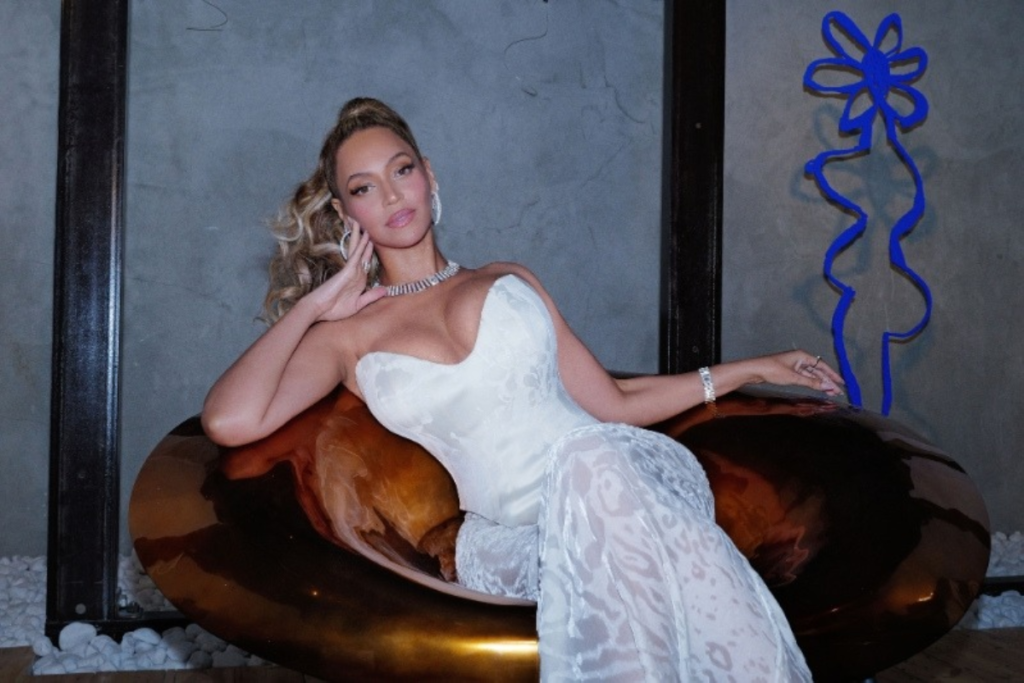
What made Melbourne feel different was the texture of it all. Fashion houses treated the paddock like a runway. Celebrity sightings weren’t accidents but coordinated appearances. Brand activations spilled beyond the track into the city itself. The three-day event functioned less like a sporting competition and more like a festival where racing served as the skeleton holding everything together. Luxury and streetwear brands, tech companies, and entertainment properties all competed for real estate and mindshare in the same spaces. A music aficionado could spend the weekend catching performances. A fashion enthusiast could clock designer collaborations everywhere. A luxury watch collector would spot limited drops. It wasn’t convergence, it was integration.
The shift matters because it rewrites what F1 actually sells. Yes, the sport still needs drivers, cars, and competitive drama. But the real value proposition now extends to anyone from lifestyle brands to entertainment companies looking for a three-day stage with a global audience and pure cultural clout. Melbourne didn’t just host a race. It hosted something that looked and felt like the cultural moment of the season. That’s not an accident. That’s the new business model.