
Dezeen Awards 2026: London’s most prestigious design honors took over one of the city’s most iconic venues to celebrate the world’s best projects of the year.
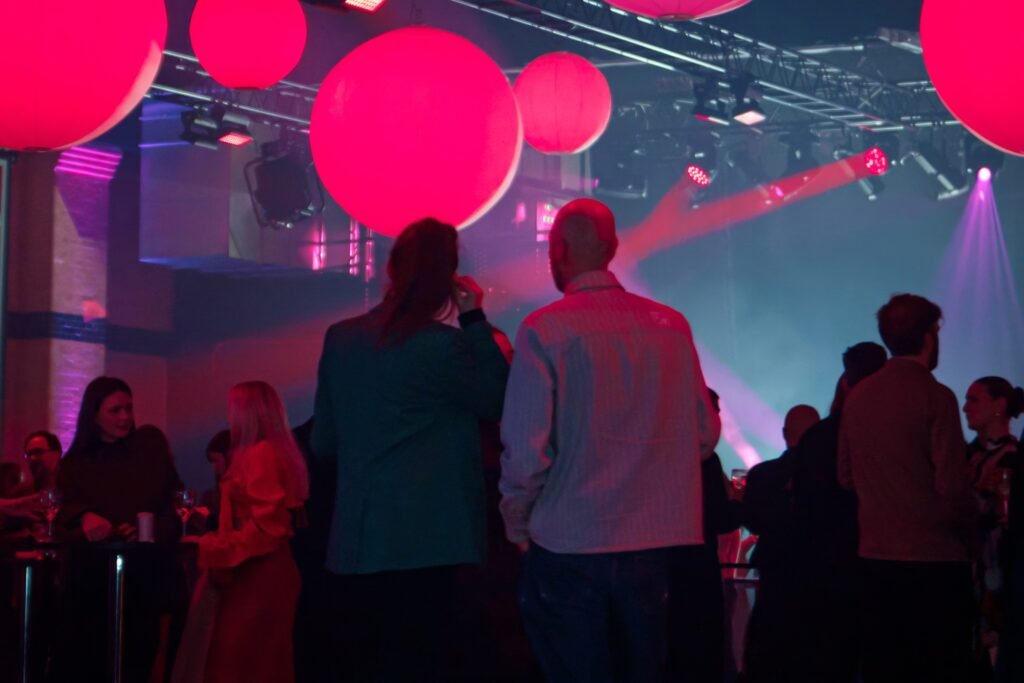
On November 16, the design world’s most stylish night unfolded at the Royal Opera House in London. The Dezeen Awards 2026 party brought together the industry’s most influential voices, emerging talents, and celebrated practices for an evening dedicated to recognizing the year’s top global design projects. The event represents the kind of moment that separates the architecture and design calendars from everything else happening in the fall season.
The Dezeen Awards command attention because they operate at the intersection of critical recognition and cultural influence. Unlike many industry honors that cater to a narrow professional audience, this event carries weight across multiple design disciplines. The Royal Opera House venue choice underscores the cultural significance the awards carry within London’s creative ecosystem and beyond. It’s a signal that design achievement deserves the same ceremonial treatment as the performing arts, placing the year’s top creative work on a stage built for spectacle and significance.
Understanding the Dezeen Awards 2026 and Its Cultural Impact
The timing of the Dezeen Awards within November’s packed international schedule reveals how the month functions as a critical inflection point for the design industry worldwide. The calendar erupts with activity across continents. Dubai Design Week launched its twelfth edition from November 3 to 8, anchored by the signature Downtown Design fair. The Design Doha Biennial opened its second edition on November 5, spotlighting talent from the MENASA region. By November 19, Cairo Design Week was spreading across three districts through November 28, celebrating Egyptian contemporary creation alongside historical architecture.
North America dominated the schedule equally. Collectible New York ran November 6 to 8, organizing boundary-pushing contemporary pieces across categories including Main, Fashion, and New Garde. The Javits Center hosted Boutique Design New York on November 8, organized under the theme “Designed to Be Remembered.” Ireland marked its fifth anniversary of Design Week from November 7 to 14 with workshops and open studios scattered across the country. Miami Art Week’s official start came November 30 with an interactive digital guide, setting up the month’s final major gathering.
What the Royal Opera House Moment Actually Signals
The specificity of the Dezeen Awards location matters more than typical event venue selection. The Royal Opera House exists as one of London’s most architecturally distinguished spaces, a building that carries centuries of cultural weight. Hosting a design awards ceremony there creates an implicit statement about design’s standing in contemporary culture. It places residential interiors, conceptual architecture, digital design, and product innovation on the same level of institutional importance as opera, ballet, and classical performance. That’s not simply decorative messaging, it’s a structural argument about where design sits in the cultural hierarchy.
The Dezeen Awards specifically recognize “the year’s top global projects,” which means the evening wasn’t celebrating a single country’s work or a particular design movement. Instead, it was surveying work across borders, disciplines, and scales. That globalism distinguishes it from regional awards programs. The event attracts professionals and observers from every continent specifically because the curatorial eye scans worldwide. The projects honored likely ranged from large-scale architectural interventions to intimate spatial designs, reflecting the breadth that characterizes contemporary design practice.
What often gets overlooked in coverage of such events is the networking infrastructure they create. The Royal Opera House venue transforms the awards ceremony from a broadcast moment into a physical gathering where industry leaders, emerging practitioners, media figures, and institutional stakeholders occupy the same space. That proximity generates relationships, conversations, and future collaborations that extend far beyond the evening itself. For many attendees, the awards announcement becomes secondary to the connections forged in the building’s grand spaces between ceremony and after parties.
The Dezeen Awards 2026 moment also reflects the platform’s particular editorial position within design discourse. Dezeen operates as a publisher with significant influence over which projects enter the broader cultural conversation. The awards function as an extension of that curatorial power, formalizing which work matters, which practitioners deserve recognition, and which geographic regions or design approaches merit international attention. November 16 at the Royal Opera House transformed that editorial authority into physical spectacle.