Design Doha Biennial 2026: Qatar’s biennial returns after a postponement to showcase traditional techniques as solutions for contemporary Middle Eastern cities.
Design Doha Biennial 2026 opened on November 5 in Doha’s restored Fereej Al Asmakh neighbourhood, bringing together more than 19 exhibitions, five public installations, and over 80 designers across 20 countries to tackle one of the region’s most pressing challenges: urban heat. The event runs until January 31, 2027, after a postponement earlier in the year due to conflict in the Gulf. What emerges from the programme is not a nostalgic retreat into heritage but a sharp, contemporary argument that traditional water systems and building techniques contain the design solutions the Middle East urgently needs right now.
Design Doha Biennial 2026 Reinterprets Traditional Systems
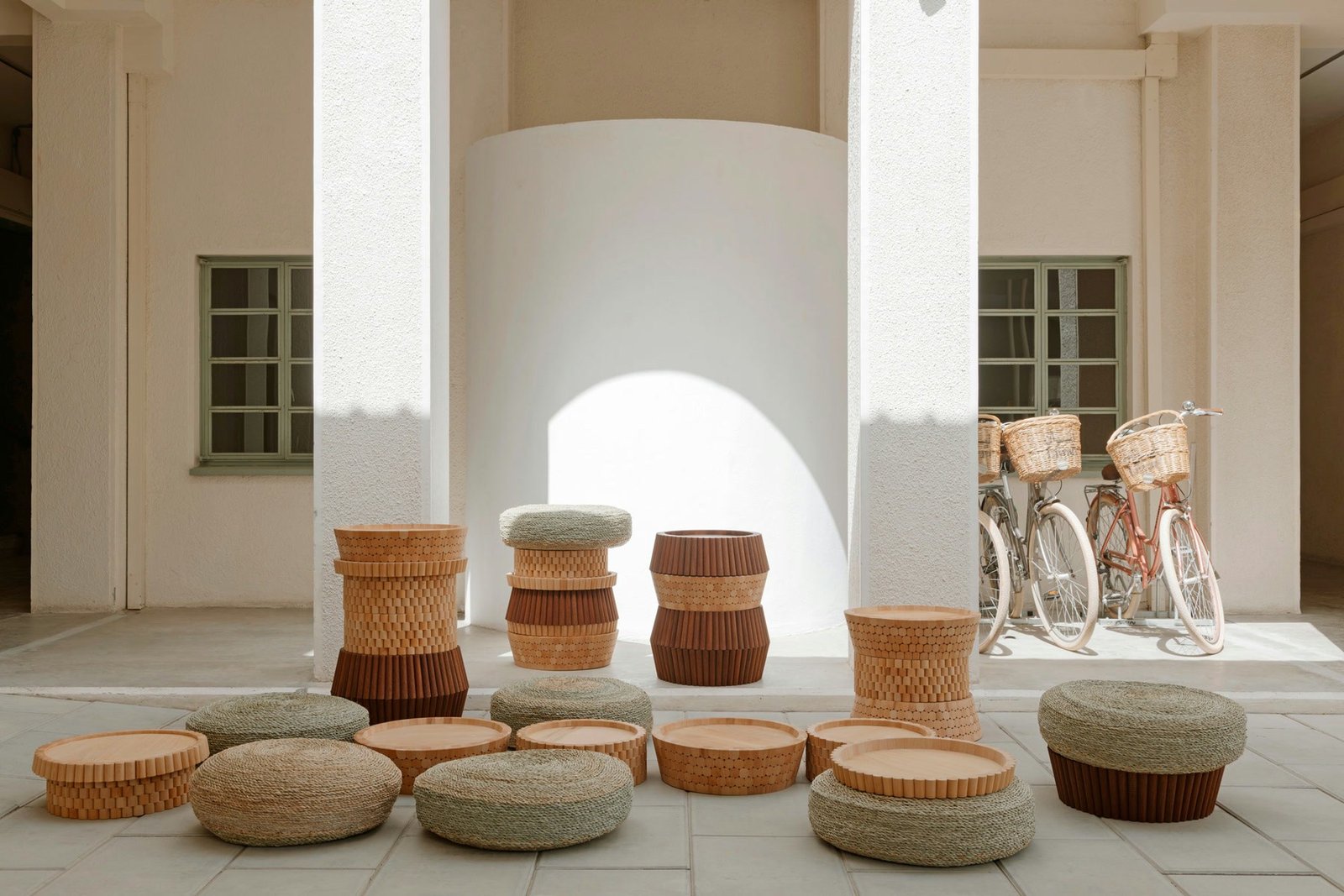
The centrepiece is Arab Design Now 2026, curated by Palestinian architect Noura Al Sayeh, a group exhibition bringing together 81 designers, artisans, and makers. The exhibition includes 78 new commissions and 17 films, presenting finished objects alongside the people, materials, and processes that made them. This structural choice is deliberate. As Al Sayeh explained, the exhibition “puts context in the foreground,” showcasing design “alongside the designers themselves, as well as the related environments, processes, artisans, craftsmen and makers.” It’s a curatorial gesture that reframes Arab design not as a consumer category or decorative field but as embedded knowledge, rooted in specific labour, geography, and skill transfer. The biennial deliberately positions makers and materials as equal protagonists to the finished work, a departure from how much global design discourse tends to erase production and credit.
The scale is significant. This second edition of Design Doha, which was established in 2024 under Qatar Museums and the leadership of Sheikha Al Mayassa bint Hamad bin Khalifa Al Thani, now spans the restored courtyard houses and outdoor spaces of Fereej Al Asmakh. The inaugural edition in 2024 drew more than 118,000 visitors and featured over 300 designers across 24 exhibitions, cementing the biennial as a regional platform. The 2026 programme is more focused but no less ambitious in scope.
Five Commissions That Reinterpret Traditional Systems
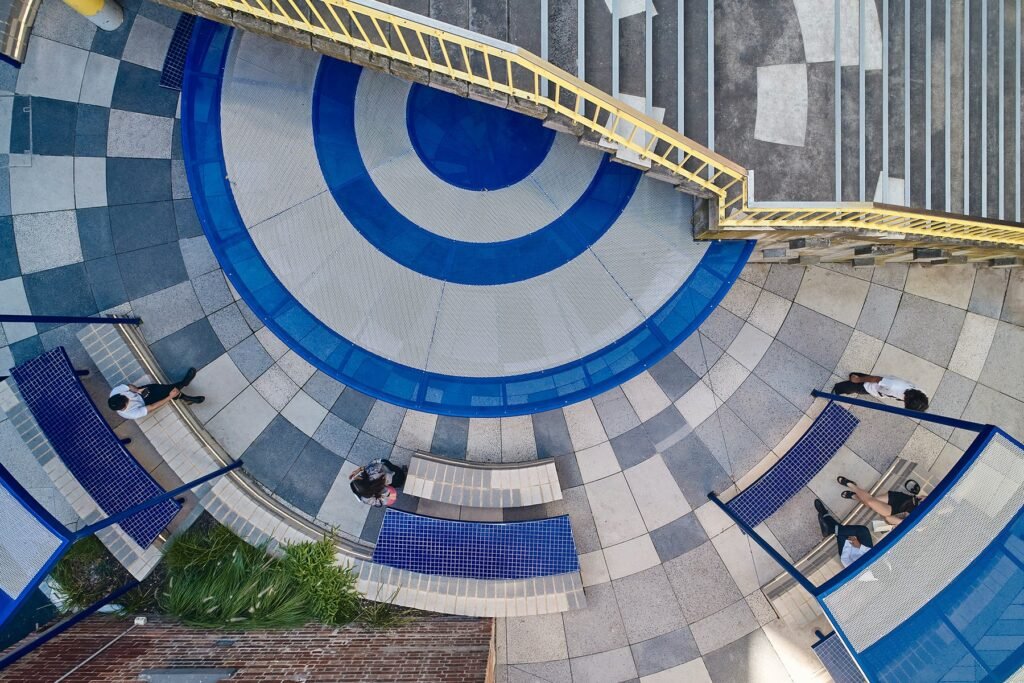
Among the five permanent public design commissions installed across Fereej Al Asmakh, two examples show the curatorial logic at work. Salsabil, a cooling structure by French architecture studio New South, uses ceramic spheres and fine mist to create cooler areas in public spaces. The name references a traditional Islamic water feature, but the execution is contemporary and low-tech, designed to retrofit heat-stressed urban environments with passive cooling systems drawn from pre-industrial precedent. Similarly, Palm Construct by Emirati architect Abdalla Almulla is a shaded pavilion combining palm wood with traditional weaving techniques, translating vernacular craft into a functional public structure.
These aren’t heritage installations or retrospectives. They are live experiments in adapting tested thermal and structural methods to present-day density and climate stress. The Sower, an exhibition by Mexican designer Fernando Laposse, rounds out the environmental focus with a living seed bank developed in Qatar, extending the biennial’s interest in how design engages with natural systems and food futures.
Post-Oil Futures and Material Reckoning
Alongside the craft-forward exhibitions sits Post-Oil 2026, an exhibition examining how industrial materials such as concrete, glass, steel, and aluminium have shaped the built environment of the Gulf. This pairing is crucial to understanding the biennial’s argument. It’s not arguing for a simple return to traditional methods but for a critical understanding of which materials, techniques, and systems have worked for the region’s climate and culture, and which industrial choices have created new problems. The exhibition implicitly asks what comes after the petrochemical boom that funded and shaped Gulf modernism, and whether the answer lies partly in reassessing what was displaced.
The opening programme itself ran from November 5 to 7, compressed into three days to allow for concentrated engagement with the full programme. The timing also positioned Design Doha as the November anchor event for the region, arriving just after Dubai Design Week‘s twelfth edition (November 3 to 8) and preceding Cairo Design Week (November 19 to 28), making November a critical month for design conversations across the MENASA region.
What distinguishes this biennial from many Western design events is its refusal to treat craft, tradition, and contemporary practice as opposing territories. By centring makers, materials, and environmental logic alongside finished works, and by installing interventions that actively test traditional systems in public space, Design Doha 2026 models a different relationship between heritage and urgency. It’s not preservation or pastiche. It’s design as applied knowledge, tested across centuries and reformulated for crisis.