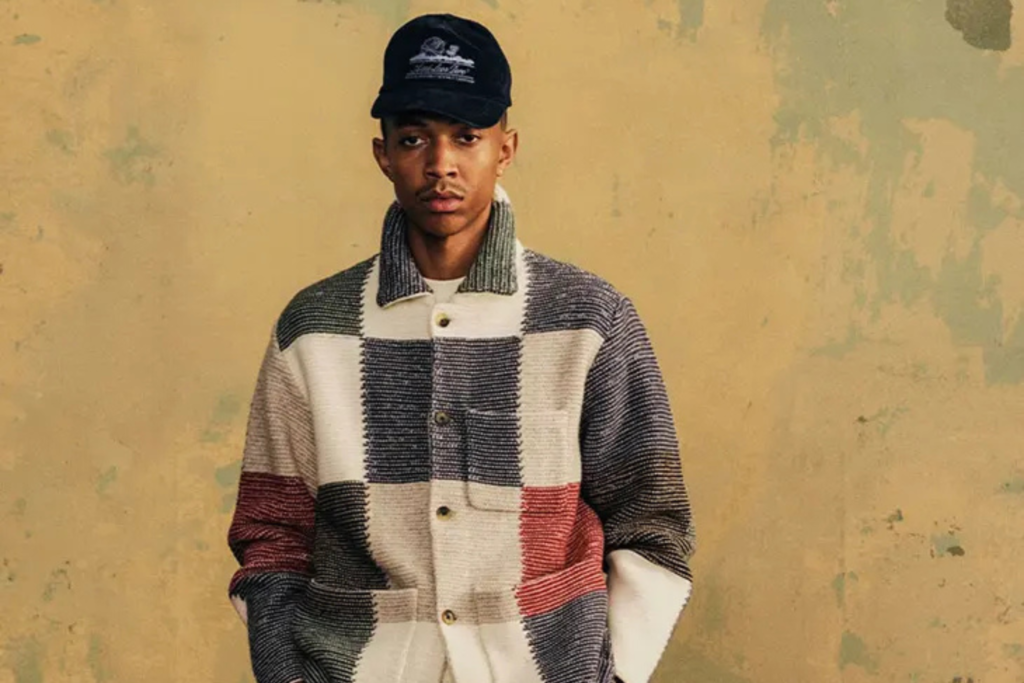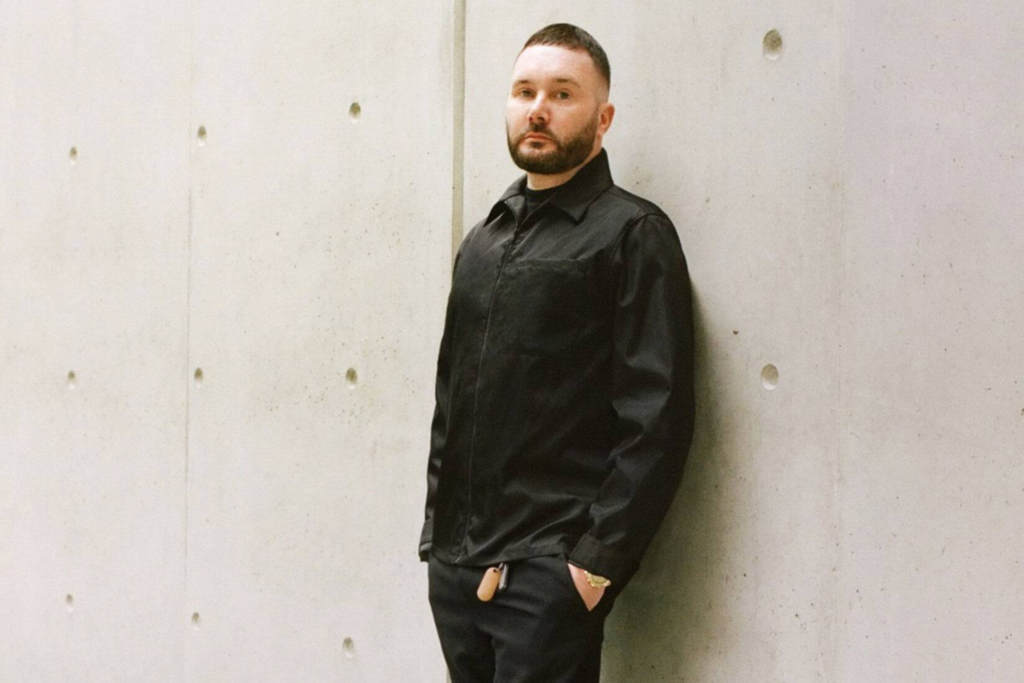

Corteiz’s founder and a visual architect are pushing the capital’s street culture beyond hype into something that actually sticks.
Clint Ogbenna built Corteiz into a movement by refusing to play the traditional brand game. No celebrity endorsements. No easy collabs with already-massive names. Just relentless drops, cryptic rollouts, and an almost cultish loyalty from kids across Europe who camp online waiting for the next release. Now, alongside photographer Gabriel Moses, he’s operating on a different level entirely, not as a founder chasing scale, but as a cultural author shaping how London street creativity actually moves in 2026.
What makes this moment distinct is the partnership itself. Moses isn’t a collaborator in the typical sense. His photographs don’t just document Corteiz pieces; they’ve become inseparable from how the brand communicates. He’s shooting the culture, not the product. That distinction matters. In an era when every streetwear player is racing to drop faster, collaborate louder, and flex harder on Instagram, Ogbenna and Moses are moving the opposite direction: slower, deeper, more intentional. The work feels earned rather than manufactured. There’s a patience to it that streetwear generally abandoned years ago.
The real power play isn’t in what they’re dropping or who they’re working with. It’s in their refusal to be legible to everyone. Corteiz operates in a kind of creative parallel to the mainstream streetwear industrial complex. That space, where taste actually matters more than access, where community precedes commerce, is where London’s most interesting work is happening right now. Ogbenna and Moses aren’t running streetwear as an industry. They’re running it as an argument about what it should be.