Bentley First Electric Car: The Torcal debuts in London with 888 horsepower, Merino wool everything, and a price tag that makes gas cars look reasonable.
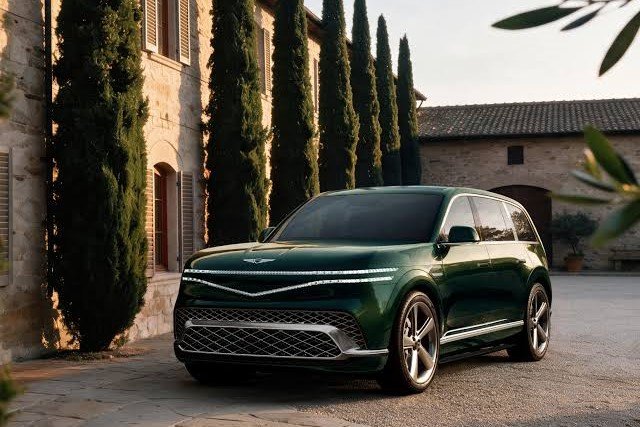
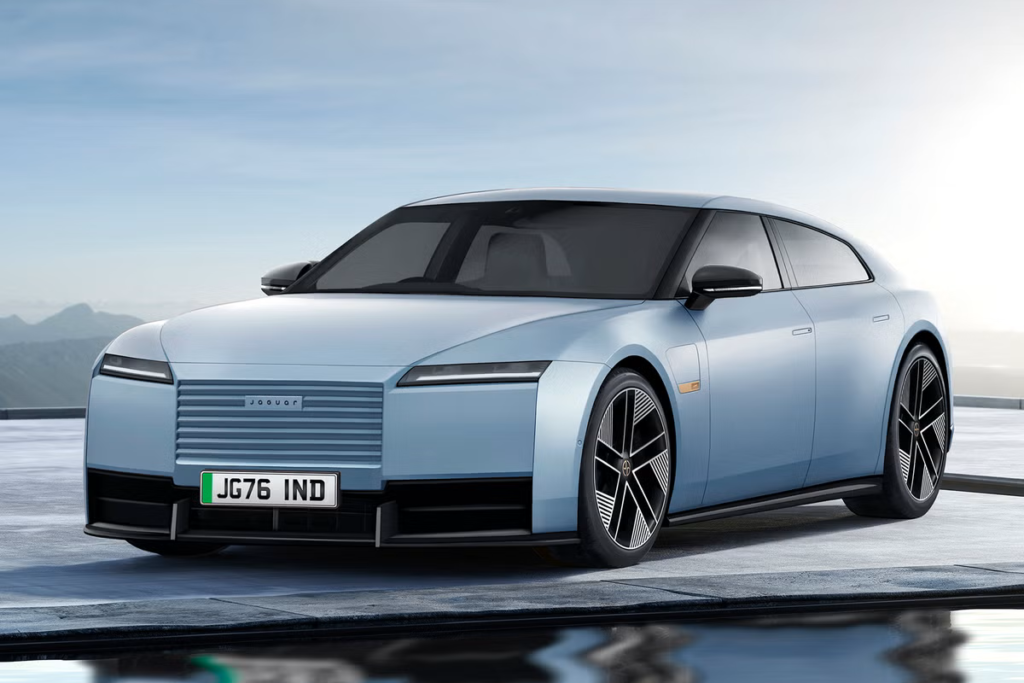
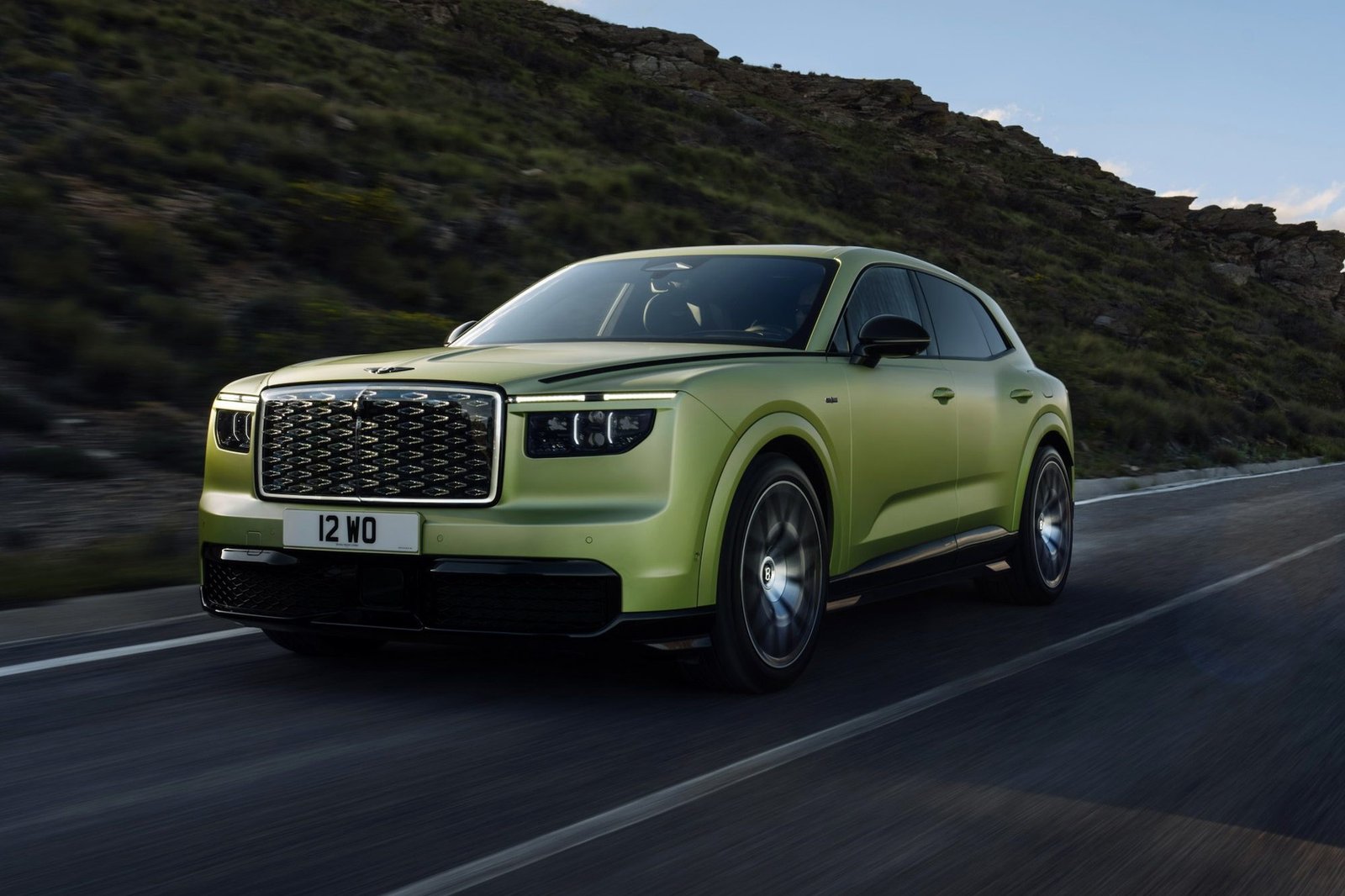
Inside a converted London warehouse, Bentley finally killed the combustion engine with the Torcal, its first electric car in the brand’s entire 107-year history. The Torcal sat under gallery lighting like a sculpture that cost £173,000 to even look at: dark metallic paint, that signature vertically slatted grille (now a charging port disguise), wheels that looked like they belonged in a UFO. The car itself was almost secondary to the moment: a house of hand-stitched leather and old money had just gone full volt.
The numbers are what made people actually stop talking. Eight-hundred-and-eighty-eight horsepower. That’s not just power, that’s a middle finger to every petrol purist who’d ever said EVs felt neutered. The Torcal accelerates like something isn’t supposed to. Inside, the obsession with tactile luxury didn’t skip a beat, which is very on-brand for a brand that’s never met a hide it didn’t want to use. Merino wool trim lines the cabin, a detail that somehow matters more than it should at this price point. The leather isn’t just leather; it’s a statement about who Bentley thinks can afford their future.
What struck harder than the specs was the timing. Bentley didn’t rush this. They sat on it, watched the market, waited until they could make the Bentley Torcal electric car feel unmistakably Bentley, not some Silicon Valley fever dream wrapped in British heritage as a costume. The Torcal isn’t a compromise or a pivot. It’s a recalibration. The company that spent a century proving that excess and engineering could coexist just proved they could do it without a drop of unleaded. Starting at £173,000, it’s not accessible, but it was never supposed to be. It’s not a car trying to reach new buyers; it’s an old institution refusing to become obsolete.