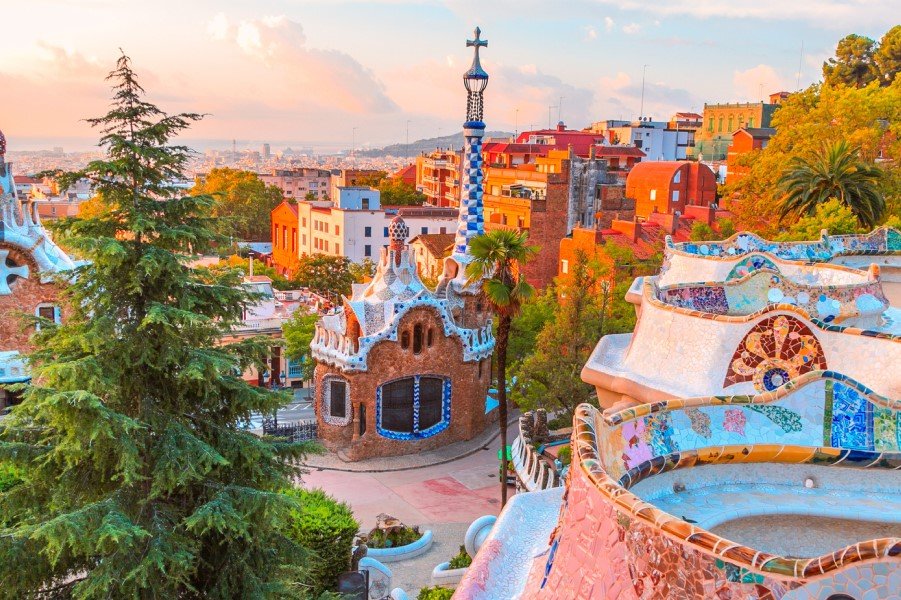
The Jardí Botànic transforms into a living installation laboratory during the city’s UNESCO architecture year.
Barcelona’s botanical garden has become ground zero for a radical experiment in outdoor ceramics. “Parlour Gardens,” a new installation series, plants hand-fired ceramic sculptures directly into the landscape, blurring the line between horticulture and architecture. The work arrives as the city holds its title as UNESCO World Capital of Architecture, positioning ceramics as a medium for rethinking how objects interact with living systems.
The installations function as small architectural worlds unto themselves. Ceramic vessels, walls, and structural elements sit among native plantings, creating microclimates and forcing visitors to navigate sculpture as they would navigate a building. The pieces aren’t ornamental afterthoughts but active participants in the garden’s ecology, with some designed to collect water, others to cast shadow patterns that shift with the season. The effect is deliberately immersive rather than exhibition-like, suggesting ceramics can operate at landscape scale.
The work lands at a moment when Barcelona’s architecture scene is actively questioning the relationship between craft, climate, and urban design. By hosting these installations during its UNESCO year, the city is essentially arguing that ceramics belongs in conversation with contemporary landscape theory and sustainable design practice. Visitors can explore the garden as either tourists or as witnesses to a working laboratory in material experimentation.