Butterfly doors, phantom lighting, and a 40th-anniversary manifesto: Acura’s California studio just redrew the road ahead.
The parking lot at Pebble Beach fills with chrome and heritage every August. But this year, Acura showed up to flip the script entirely. The NEXERA Vision Concept, unveiled during Monterey Car Week, isn’t a nostalgia play or a safe refresh. It’s a full-throated declaration that the 40-year-old luxury performance brand is done whispering.
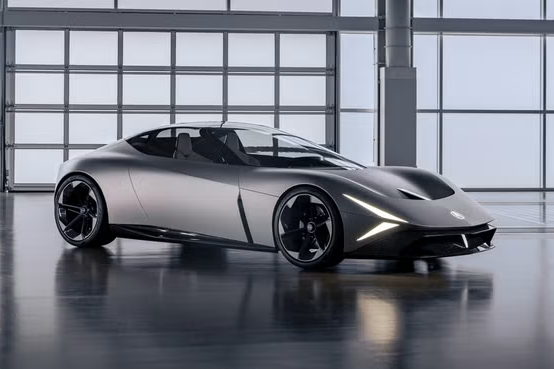
The car itself is a visual revolt. Butterfly doors that swing upward like a samurai’s gesture. A hood that stretches taut and geometric. Lighting that doesn’t sit on the body but seems to float behind glass, phantom-like, as though the car is backlit by intention rather than engineering. The proportions refuse compromise: low, wide, tensioned. This isn’t a concept built to apologize for what Acura used to be. It’s a concept built to muscle past what it is.
The design language reads as a direct response to an industry problem Acura has been circling for years: how does a performance luxury marque stay relevant when the category itself is fracturing? BMW codes German precision. Mercedes plays historical weight. Acura’s California-based design team chose clarity instead. Every line answers a question. Every curve rejects softness. The NEXERA Vision feels engineered for a moment when buyers want their luxury to have an edge, when restraint reads as doubt, and when a brand’s willingness to break its own formula becomes the truest form of confidence.
Whether this concept car reaches the road as production reality remains secondary to what it communicates right now: Acura’s design conversation has fundamentally shifted. The butterfly doors will grab headlines. The phantom lighting will spawn a thousand Instagram videos. But the real message is subtler and more dangerous. After four decades of playing it safe, the brand’s design team just showed what happens when they stop.