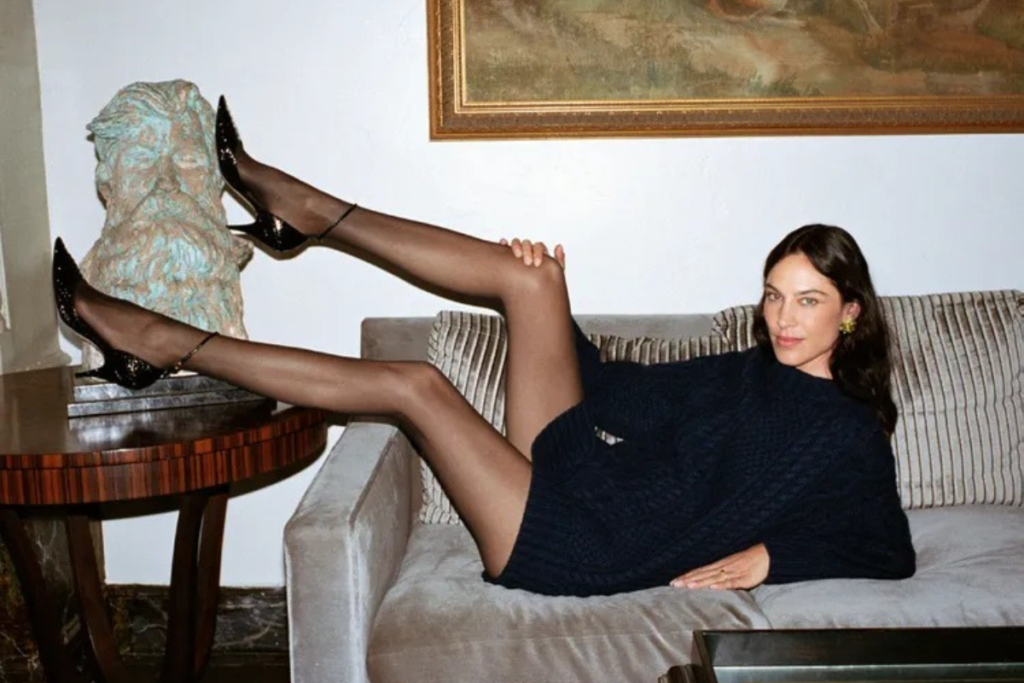
90s Beverly Hills Denim: The R&B star anchors a fall campaign that trades minimalism for full-throttle ’90s nostalgia.
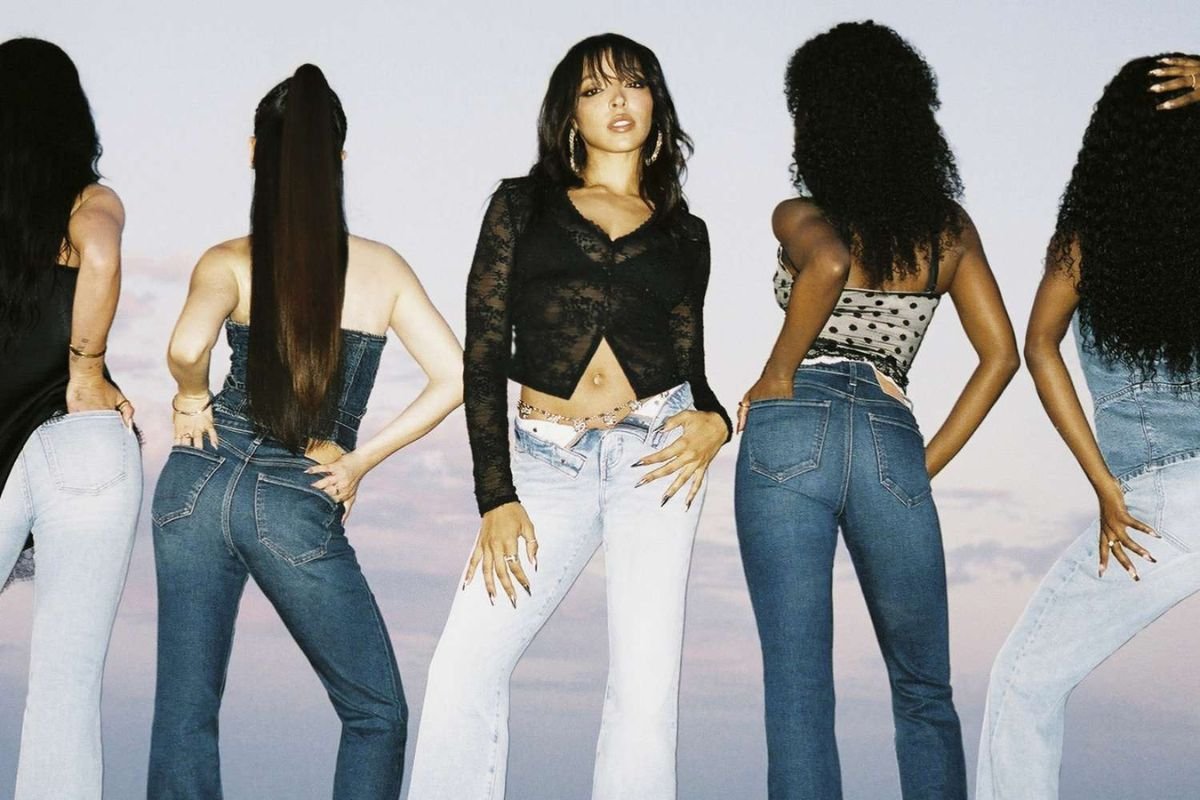
Express just dropped its Fall 2026 campaign centered on a 90s Beverly Hills denim revival, banking on the materialist fever dream of the Clinton era. The spot, titled “Too Easy to Look This Good,” casts multi-platinum R&B artist Tinashe as the lead, wrapping her in denim silhouettes and styling that channels the kind of maximalist excess that defined late-’90s West Coast cool. It’s not subtle, and that’s precisely the point.
The campaign plays like a full-production music video, a format that immediately separates it from the typical fashion brand collab. By leaning into Tinashe’s world as a recording artist rather than positioning her as a model wearing clothes, Express is essentially using her cultural capital and visual language to authenticate the collection. She’s not just the face; she’s the story. The denim itself becomes secondary to the vibe, the attitude, the entire temporal displacement the campaign is attempting.
Why the 90s Beverly Hills Denim Aesthetic, and Why Now
The detail most people will overlook: Express isn’t reviving the understated, logo-minimal denim that dominated early 2020s fashion. This is the bloated, intentionally provocative version of ’90s dressing. Visible branding. Aggressive washes. The kind of silhouette that requires confidence to pull off. It’s a rejection of the quiet luxury wave that had a stranglehold on the aspirational market just eighteen months ago. By centering Tinashe, a Gen Z cultural figure with her own track record of visual risk-taking, Express is signaling that mid-tier fashion is ready to compete for attention again through sheer aesthetic force rather than restraint.
The campaign positions denim as the core vehicle for this shift, which makes sense. Unlike basics-oriented brands, Express has always lived in the denim category as a fundamental pillar. Fall 2026 feels like the moment they’re deciding to lean all the way into that heritage rather than apologize for it. Pairing that conviction with Tinashe, whose music and creative direction have always favored bold visual statements, creates a feedback loop that reinforces the message: excess isn’t dead, it just needed permission to come back.