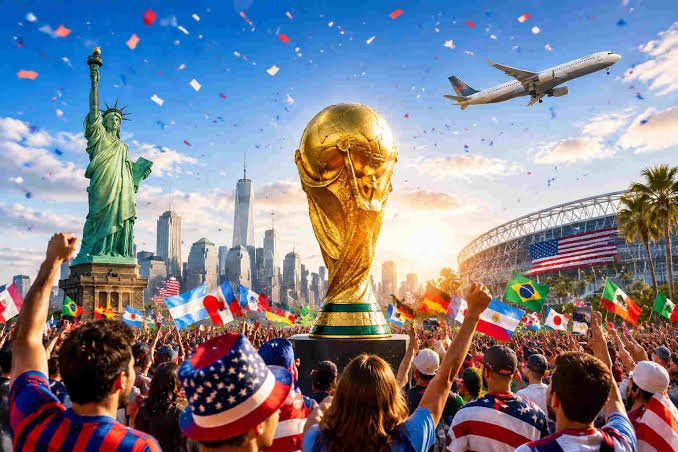
1.24 million international visitors are about to discover why U.S. cities matter, one match at a time.
The Global Pilgrimage Begins
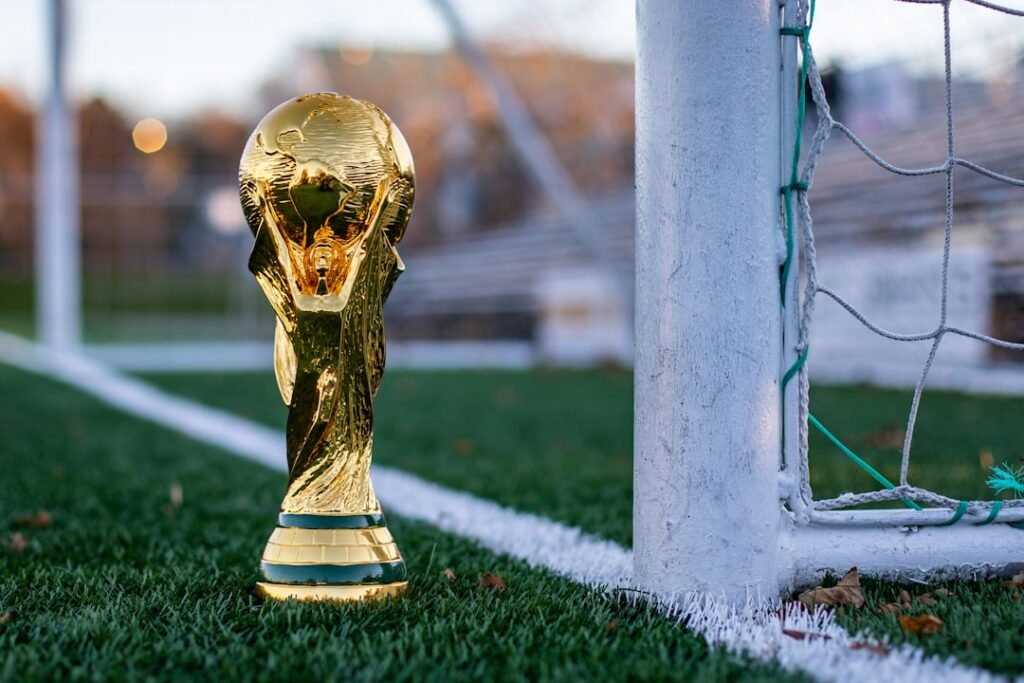
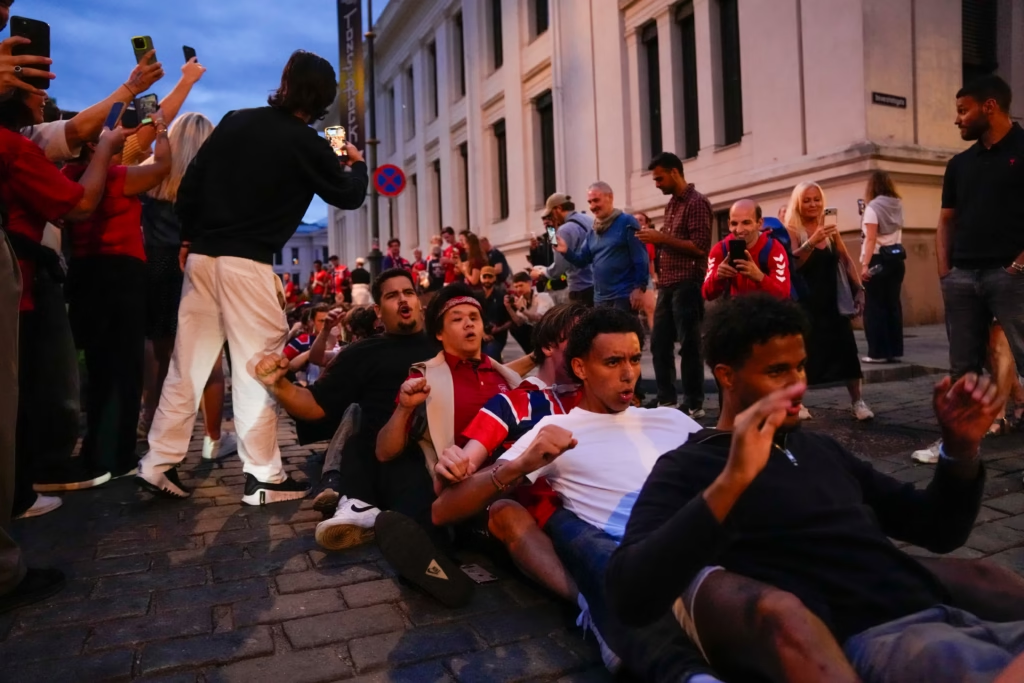
When FIFA announced that the 2026 World Cup would be hosted across the United States, Mexico, and Canada, something shifted in the global travel consciousness. But here’s what’s really happening: nearly 1.24 million international visitors are heading exclusively to 11 American cities, transforming them into the world’s most anticipated destinations overnight. These aren’t passive tourists shuffling through theme parks. They’re soccer fanatics, cultural explorers, and travelers who’ve been waiting for permission to fall in love with American cities on their own terms.
The scale is unprecedented. These visitors aren’t just coming for matches; they’re coming to experience a version of America that tourism boards have been struggling to market for years. The World Cup isn’t just a sporting event anymore. It’s become the ultimate cultural passport.
Why American Cities Are Suddenly Irresistible
Part of the magic is simple: international visitors are discovering that American comfort food isn’t a stereotype, it’s a genuine cultural artifact worth experiencing. Classic burgers, proper barbecue, regional pizza traditions, and the kind of deli sandwiches that can’t be replicated anywhere else are becoming pilgrimage sites for food tourists who’ve only read about them online. These fans aren’t slumming it. They’re treating American culinary staples with the reverence Europeans typically reserve for Michelin-starred restaurants.
But food is just the gateway. Visitors are also experiencing the architectural diversity, the genuine friendliness of American hospitality, and the raw energy of 11 distinct cities that couldn’t be more different from one another. A fan flying into New York experiences nothing like someone landing in Los Angeles or Miami or Kansas City. That variety, that scope, is turning the 2026 World Cup into a country-wide cultural showcase rather than a single-city event.
The Eleven Cities Become Character Studies
The host cities span geographical, cultural, and economic terrain that few international visitors have properly explored. New York brings global sophistication and urban intensity. Los Angeles offers the sprawl and entertainment infrastructure. Miami presents Caribbean and Latin American culture adjacent to American excess. Seattle, Dallas, Denver, San Francisco, Chicago, Philadelphia, Boston, and Kansas City each carry their own identity, their own food scenes, their own historical weight. For international travelers, this isn’t a World Cup itinerary. It’s a masterclass in American regionalism.
The tournament structure forces visitors to move between cities, to stay longer, to invest in understanding neighborhoods beyond the stadium. A Colombian family attending multiple matches across different cities isn’t just watching soccer. They’re conducting an impromptu anthropological survey of where America actually lives.
The Real Economic Seismic Shift
Beyond the cultural impact, these 11 cities are about to experience economic stimulus that will ripple through hospitality, transportation, restaurants, and retail for years. Hotels are already preparing. Airlines are adjusting schedules. Small business owners are hiring with the confidence that comes from knowing millions of well-funded tourists are arriving simultaneously. The economic data suggests this isn’t hyperbole. International visitors typically spend more than domestic ones, stay longer, and venture further off the beaten path.
But the real story is reputational. Cities that have been overlooked by international travel are about to introduce themselves to global audiences on the biggest possible stage. Kansas City isn’t just hosting matches. It’s hosting ambassadors who will return home and tell their networks, their families, their countries that American cities are worth visiting again, are worth exploring more deeply, are worth integrating into global travel consciousness.
A New American Narrative
For years, the global narrative about American travel has been dominated by theme parks, national parks, and Las Vegas. The 2026 World Cup is forcing a different conversation: about cities, neighborhoods, food scenes, and authentic urban experience. International visitors will leave having discovered that American cities deserve the same cultural reverence as Paris or Barcelona or Tokyo. They’ll have friendships with locals, favorite restaurants they can’t wait to return to, neighborhoods they’ll advocate for to friends back home.
The World Cup isn’t just happening in America. America is about to become unforgettable to a generation of global travelers who thought they already understood what this country offered. The real tournament starts now.