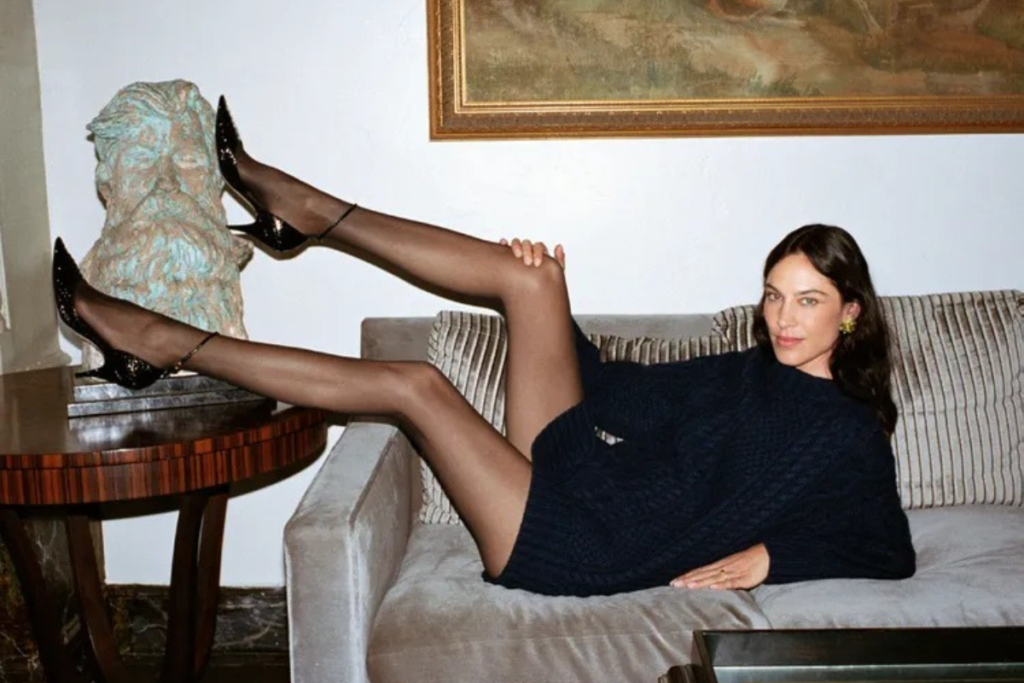
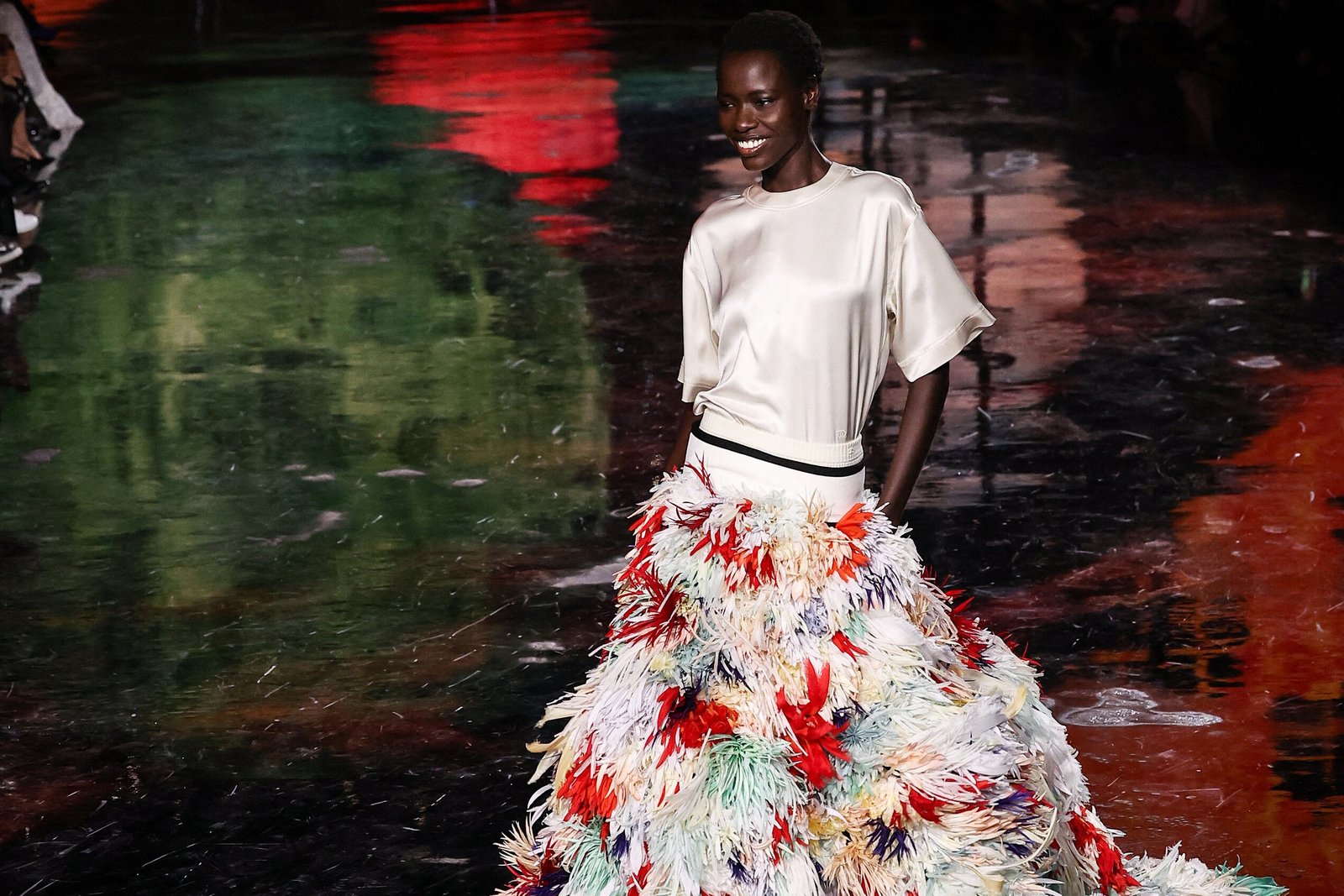
The new artistic director is stripping back Chanel’s codes to their essentials, reimagining tweed and quilted leather as a contemporary uniform for right now.
The Reinventor Arrives
Matthieu Blazy stepped into one of fashion’s most loaded positions at a moment when Chanel needed someone willing to challenge its own mythology. Where predecessors have often leaned into the house’s archival weight, Blazy is doing the opposite: he’s excavating the foundational pieces that made Chanel radical a century ago and asking what they mean in 2026. The result is a brand that feels simultaneously rooted in its DNA and startlingly contemporary, a tightrope most designers never even attempt.
His approach signals something larger about where luxury is heading. As fashion cycles accelerate and logomania fatigue sets in, the houses that will matter are those offering something closer to a uniform than a trend. Blazy understands this intuitively.
Tweed Gets a Recalibration
The tweed jacket is perhaps Chanel’s most visible signature, and for decades it’s operated as a status symbol frozen in time. Blazy hasn’t abandoned it. Instead, he’s stripped it down, reconsidering weight and proportion, softening its formality without erasing its presence. The new iterations feel less like costume armor and more like something you’d actually wear to navigate a complex day. Proportions are subtly shifted. Textures are refined. The message is clear: heritage doesn’t require historical reenactment.
This refinement extends across the line. Rather than adding layers of novelty, Blazy is removing them, which takes far more confidence. In a market oversaturated with limited-edition drops and seasonal gimmicks, Chanel’s pivot toward structural clarity reads as almost radical.
The Cotton Shirt Philosophy
Perhaps more telling is how Blazy is treating the simple cotton shirt, an item so basic it usually escapes notice in luxury collections. By elevating the ordinary through impeccable execution and subtle detailing, he’s tapped into something the luxury customer actually needs: pieces that work. A well-made cotton shirt can anchor an entire wardrobe. It can move between contexts. It doesn’t demand attention but commands respect through quality.
This democratization of the wardrobe is where contemporary luxury is actually heading. The loudest voice in the room often turns out to be the quietest one.
The Quilted Bag Evolves
The quilted bag, Chanel’s other iconic silhouette, undergoes similar calibration. Rather than reinventing the wheel, Blazy is making the wheel feel necessary again. Contemporary sizing, unexpected leather treatments, and a looseness in how the quilting sits suggest that this isn’t about nostalgia. It’s about taking something that works and making it work harder for modern life. The bags don’t scream for recognition because they don’t need to.
What’s crucial is that Blazy understands the difference between respecting heritage and being imprisoned by it. Chanel under his direction feels like it’s finally exhaling.
Building a Modern Uniform
The connective tissue across Blazy’s vision is the idea of a uniform, not in the totalizing sense of a single rigid aesthetic, but in the way a truly great wardrobe works: foundational pieces that combine endlessly, that age well, that signal quality without announcing it. This is the opposite of the disposable luxury that’s defined much of the past decade.
Blazy’s Chanel isn’t about having the newest thing. It’s about understanding why certain things have endured. The tweed, the quilting, the cotton shirt, the straightforward leather goods, these elements cohere into something that feels less like a collection and more like a philosophy. In 2026, when attention spans are fractured and fatigue with overconsumption is real, that philosophy might be the most valuable thing a fashion house can offer.
The stakes are high, the pressure immense, but Blazy’s early moves suggest he’s more interested in building something that lasts than winning this season’s social media wars. If he pulls it off, Chanel doesn’t just survive the next decade. It defines it.