Lunette Florence Knight: The ex-Sessions Arts Club chef debuts with an 11th-floor rooftop dining room overlooking Temple, serving four-course lunches and six-course dinners.
Florence Knight has finally made her move. After years keeping a relatively low profile following her departure from Sessions Arts Club, the chef is opening Lunette, her first solo restaurant, at the St Clement hotel in London’s Temple neighbourhood. The timing feels deliberate: as November 2026 becomes one of the busiest months for London hospitality openings in recent memory, Lunette arrives as one of the most anticipated launches, according to both The Caterer and Time Out.
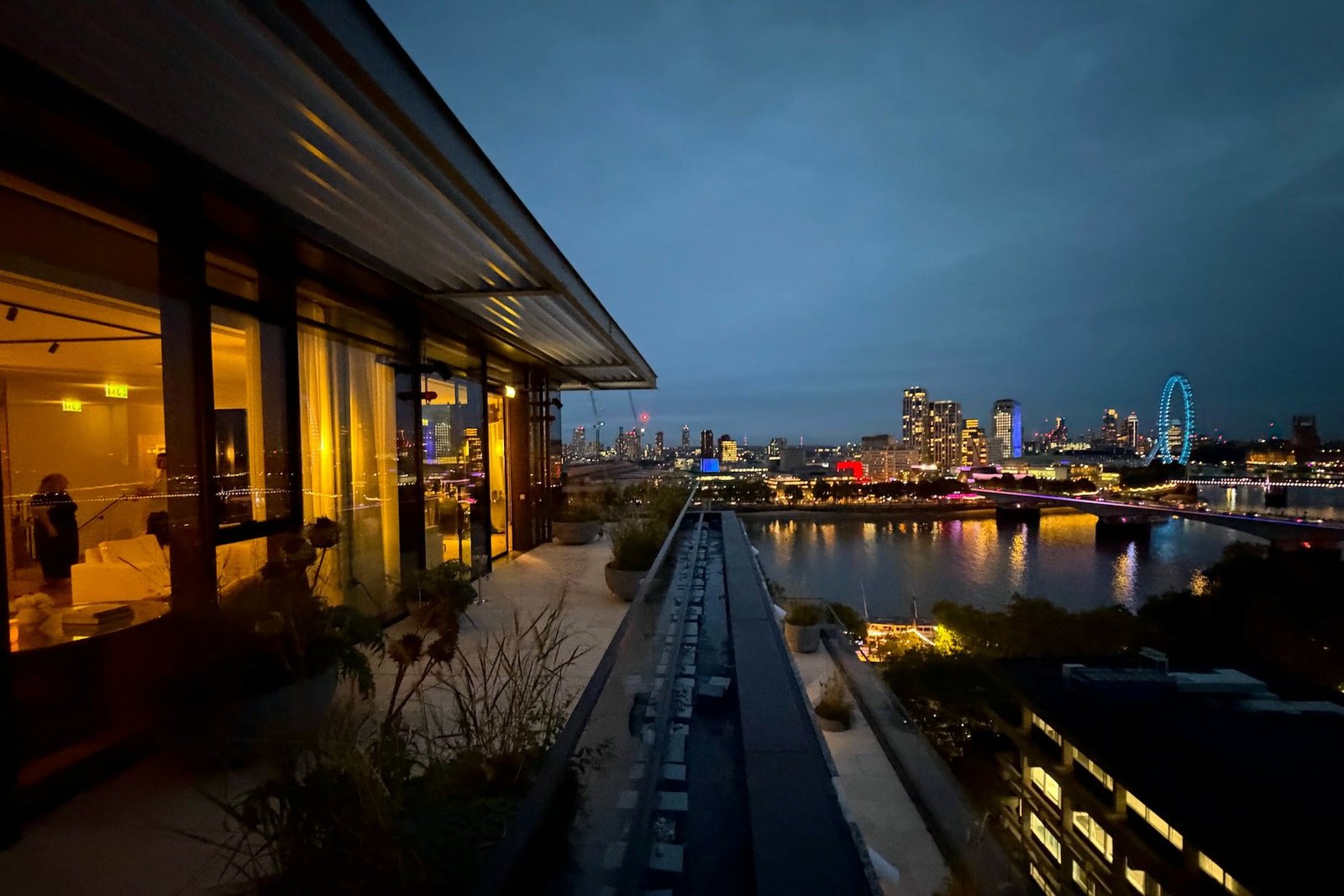
The restaurant takes its name from the French word for “little moon,” a nod to both its rooftop location on the 11th floor and Knight’s design sensibility. Situated directly above the Thames in the Temple stretch, Lunette offers what Time Out describes as “excellent views” paired with what the publication calls “a refined, Michelin-courting menu.” The set menus reflect a careful approach to the dining experience: lunch comes as a four-course offering, while dinner expands to six courses. This structure suggests Knight is thinking less about à la carte flexibility and more about narrative, about guiding diners through a complete culinary argument rather than leaving them to choose their own path.
Lunette and Florence Knight’s Vision
Knight’s previous role at Sessions Arts Club established her as a serious chef, but Lunette represents something different. At Sessions, she was executing someone else’s vision. Now she controls the entire experience: the menu, the room, the story the restaurant tells. The St Clement hotel itself carries weight in London’s hospitality conversation. It’s the kind of institution that attracts the kind of clientele who book restaurants months in advance, who understand the difference between good cooking and distinctive cooking.
The positioning is notably upmarket. This isn’t a casual neighborhood spot or a trendy small-plates operation. According to The Caterer, Knight’s previous experience also included time at Polpette, a Roman-style restaurant, which suggests her cooking draws from European technique and ingredient-focused preparation. Time Out’s description of her as a “superstar chef” who’s been “fairly quiet” since leaving Sessions Arts Club reinforces the sense that this opening has been deliberate and carefully timed, not rushed.
November’s Hospitality Acceleration
Lunette arrives amid what both publications describe as an unusually dense cluster of restaurant and bar openings. November 2026 is seeing launches across multiple London neighbourhoods and food concepts, from Avi Shashidhara’s Talli Queen in Shepherd’s Bush to Aba-Ra’s Georgian expansion into Soho to Giuseppe Pollifrone’s Al Molo in Canary Wharf. The Caterer notes that the hospitality industry is “accelerating its rate of openings across the UK” as the festive season approaches, with Knight’s debut sitting comfortably among the month’s most significant arrivals.
What makes Lunette stand out in this crowd is precisely what doesn’t make it stand out: it’s not a casual format, it’s not an ethnic cuisine entry point, it’s not a wine bar or a pizza concept. It’s a chef’s restaurant, a room designed around the food and the experience, the kind of venue that requires reservation and intention. The rooftop location, too, signals something specific about London dining right now. Upper-floor venues with river views have become increasingly prized, and the Thames vantage point at Temple is particularly strong. You’re not in a basement; you’re elevated.
The Detail That Matters
The one element most diners will likely miss: Lunette’s menu structure is entirely set. There are no choices, no à la carte indulgence, no ability to pick and mix. At lunch, you receive four courses. At dinner, six. This matters more than it might initially appear. It’s a statement about control and vision. It’s also a choice that reflects a particular school of cooking and hospitality, one that believes the chef’s sequence and progression matter more than individual preference. It’s the kind of decision that separates a restaurant from a mere eating establishment, that turns a meal into an experience with intentionality behind every plate.
The one element most diners will likely miss: Lunette’s menu structure is entirely set. There are no choices, no à la carte indulgence, no ability to pick and mix. At lunch, you receive four courses. At dinner, six. This matters more than it might initially appear. It’s a statement about control and vision. It’s also a choice that reflects a particular school of cooking and hospitality, one that believes the chef’s sequence and progression matter more than individual preference. For Florence Knight and Lunette, that philosophy isn’t a limitation, it’s liberation.