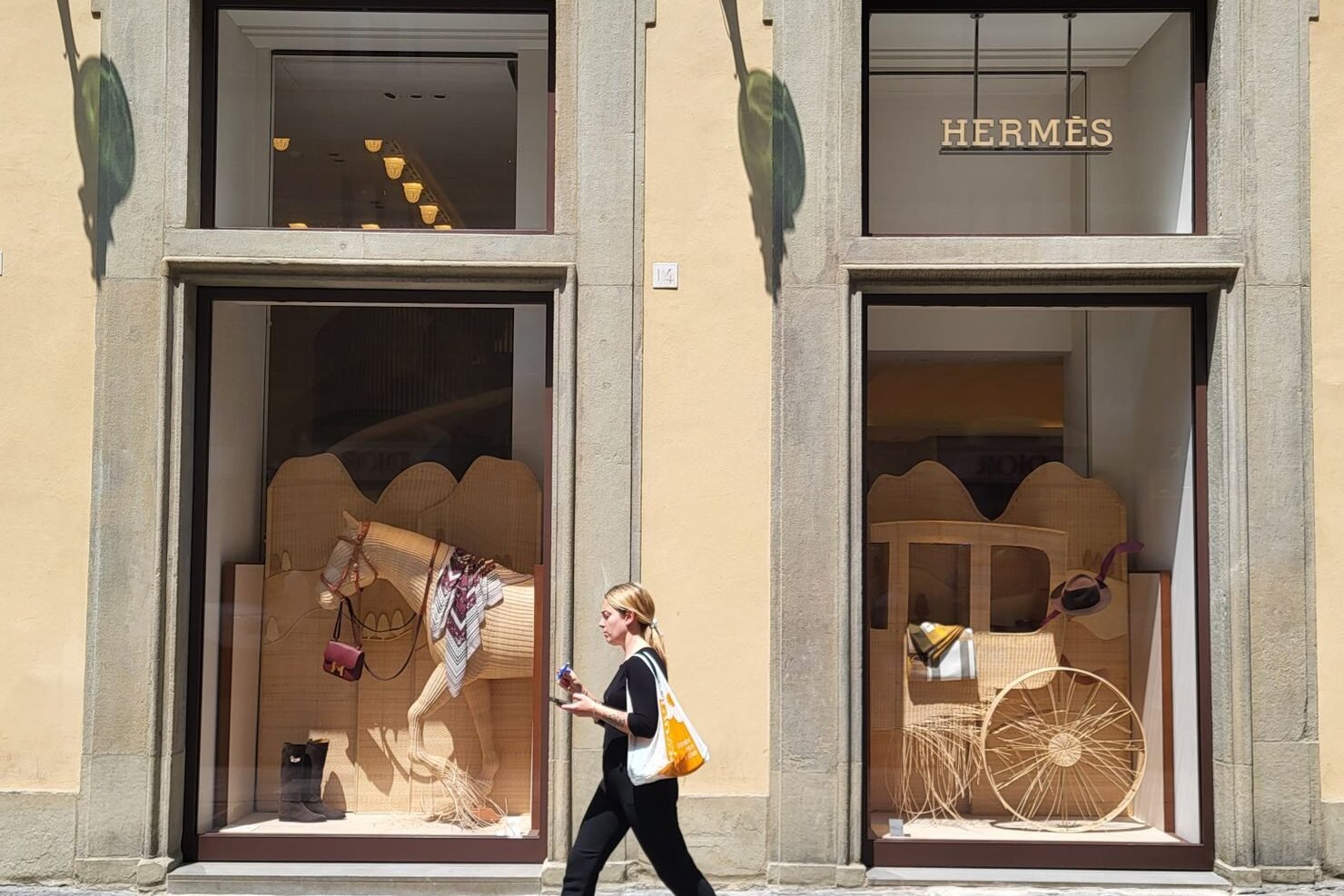
HermèS Bags Resale: The Birkin and Kelly’s unshakable secondary market dominance is cracking, and it signals a seismic shift in how luxury buyers think about investment pieces.
For two decades, buying a Hermès Birkin or Kelly wasn’t just about owning a bag, it was financial strategy. Hermès bags resale prices routinely sold on the secondary market for 110 to 130 percent of their retail price, sometimes higher depending on leather and color rarity. They were the asset class of luxury accessories, the hedge against bad taste and buyer’s remorse. Money in the bank, physically worn on your shoulder. That certainty is evaporating.
The resale market for both bags is now showing measurable softness. Prices are flattening. Inventory is accumulating on secondary platforms, and the days of waiting lists and artificial scarcity are becoming a footnote. What’s driving this? A combination of factors: Hermès itself has loosened supply constraints, scaling production to meet demand rather than weaponizing exclusivity. The ultra-wealthy are aging into vintage Hermès, flooding the market with estate pieces and authenticated archives. And perhaps most crucially, younger luxury consumers no longer view a $12,000 bag as a retirement vehicle, they view it as a purchase, period.
Hermès is paying attention because resale value has always been the psychological scaffolding holding up the brand’s pricing power. If a Birkin doesn’t appreciate, why not buy a Bottega or an Hermès scarf instead? The house isn’t panicking, but it’s clearly thinking through implications. In a market where hype and scarcity have been engineered as luxuries themselves, the first crack in that mythology is the crack that matters for Hermès bags resale. Other brands have lived in that gap for years. Hermès has never had to.