Haas Brothers: The Twin Designers’ First Major Retrospective Opens at the Blanton, Cementing Their Shift From Underground Custom Furniture to Institutional Recognition
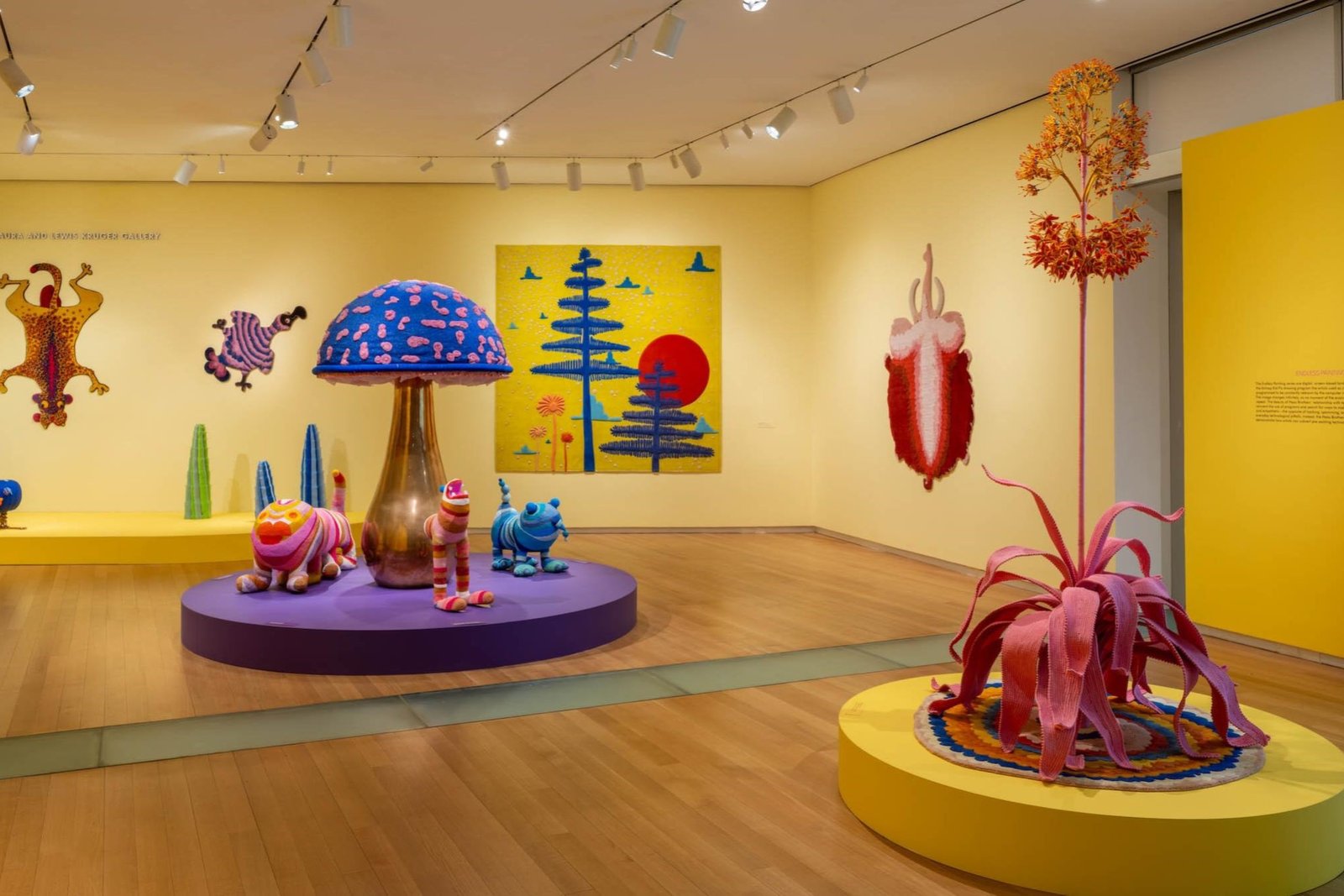
Nick and Evan Haas built their reputation the hard way: custom pieces for private collectors, viral Instagram moments, and a design ethos so singular it felt almost impossible to pin down. Surrealist, maximalist, deeply personal, and fundamentally weird in the best sense, their work occupied a strange middle ground between fine art and functional furniture. That ambiguity is precisely what makes their inaugural museum survey at the Blanton Museum of Art in Austin so significant. On September 26, the twins get the full institutional treatment in their hometown, an acknowledgment that their decade-long practice has transcended the niche of luxury custom design and entered something closer to cultural criticism.
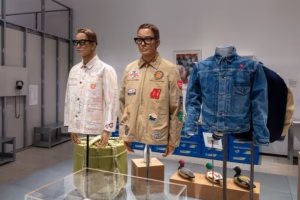
The Blanton’s decision to mount this retrospective signals a broader shift in how museums now value contemporary design. Where previous generations might have waited for designers to reach a certain age or sales threshold before canonizing their work, the Haas Brothers are being recognized while still actively pushing their aesthetic boundaries. Their pieces, which often incorporate found materials, sculptural forms that blur furniture and art object, and a commitment to handcraftsmanship that feels almost anachronistic in our current moment, represent something museums increasingly want to preserve and contextualize. This is design that asks questions rather than simply answering them, which is exactly the kind of work that benefits from a full-scale exhibition’s framing.
The timing matters too. Austin has spent the last five years cycling through waves of cultural attention, from tech money flooding in to debates about authenticity and gentrification remaking the city’s identity. The Haas Brothers remain one of Austin’s few legitimate global design exports, a duo who chose to stay rooted in their hometown even as their work circulated through international galleries and high-end residential projects. A museum survey here is less about validating their success elsewhere and more about claiming them as part of Austin’s actual cultural infrastructure, not just its mythology. The retrospective becomes a statement about what the city values.