Copenhagen Architecture Biennial: The first-ever CAB closes October 19 after a month-long push against speed culture in design and urban development.
Copenhagen’s inaugural Architecture Biennial wraps up this month with a deliberate pivot away from the frenetic pace that typically defines contemporary urbanism. Running through October 19, the first-ever CAB has mounted over 250 events across the city, each one interrogating a single thesis: that the way we build, plan, and inhabit space has become untethered from human rhythm. The biennial’s organizing principle, “Slow Down,” isn’t nostalgia or Ludditism. It’s a formal argument that restraint, duration, and intentionality have become radical in an industry built on quarterly timelines and maximum extraction.
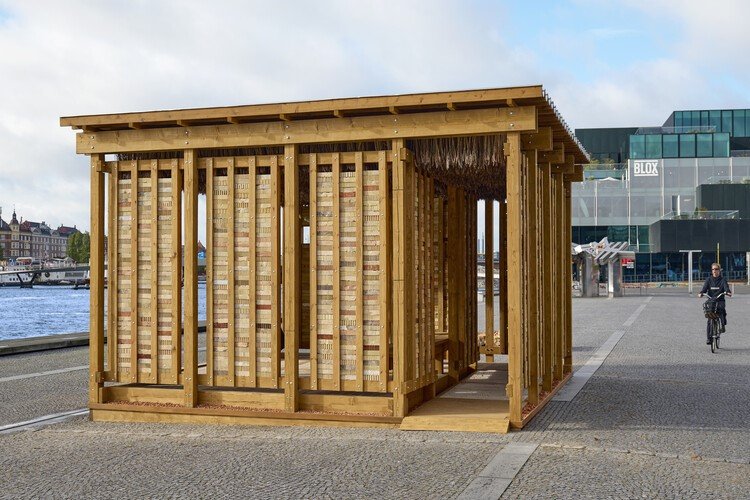
The first-ever CAB distinguishes itself by refusing the typical architecture-fair model of sleek presentations and speculative renders. Instead, the program emphasizes durational projects, debates, and interventions designed to actually be experienced over time rather than consumed in a single weekend. Exhibitions and installations remain live throughout the month, creating conditions where visitors return, notice changes, and develop real relationships with the work on display. This mirrors the biennial’s core argument: that meaningful urbanism requires attention spans longer than a news cycle, resources that aren’t stripped to their minimum, and processes that involve the people actually living in these spaces.
The event arrives at a moment when Copenhagen itself stands at a crossroads. The city has become a global template for progressive urban design, yet expansion pressures and development momentum threaten to erode the very qualities that made it legible and livable. By launching the Copenhagen Architecture Biennial now and centering slowness as its organizing concept, Copenhagen is making a statement about what kind of growth it wants, and what gets lost when velocity becomes the default.