Complexcon 2026: From Playboi Carti’s surprise appearance to hand-sewn leather and custom grills, the convention proved that street culture’s real currency is still community over hype.
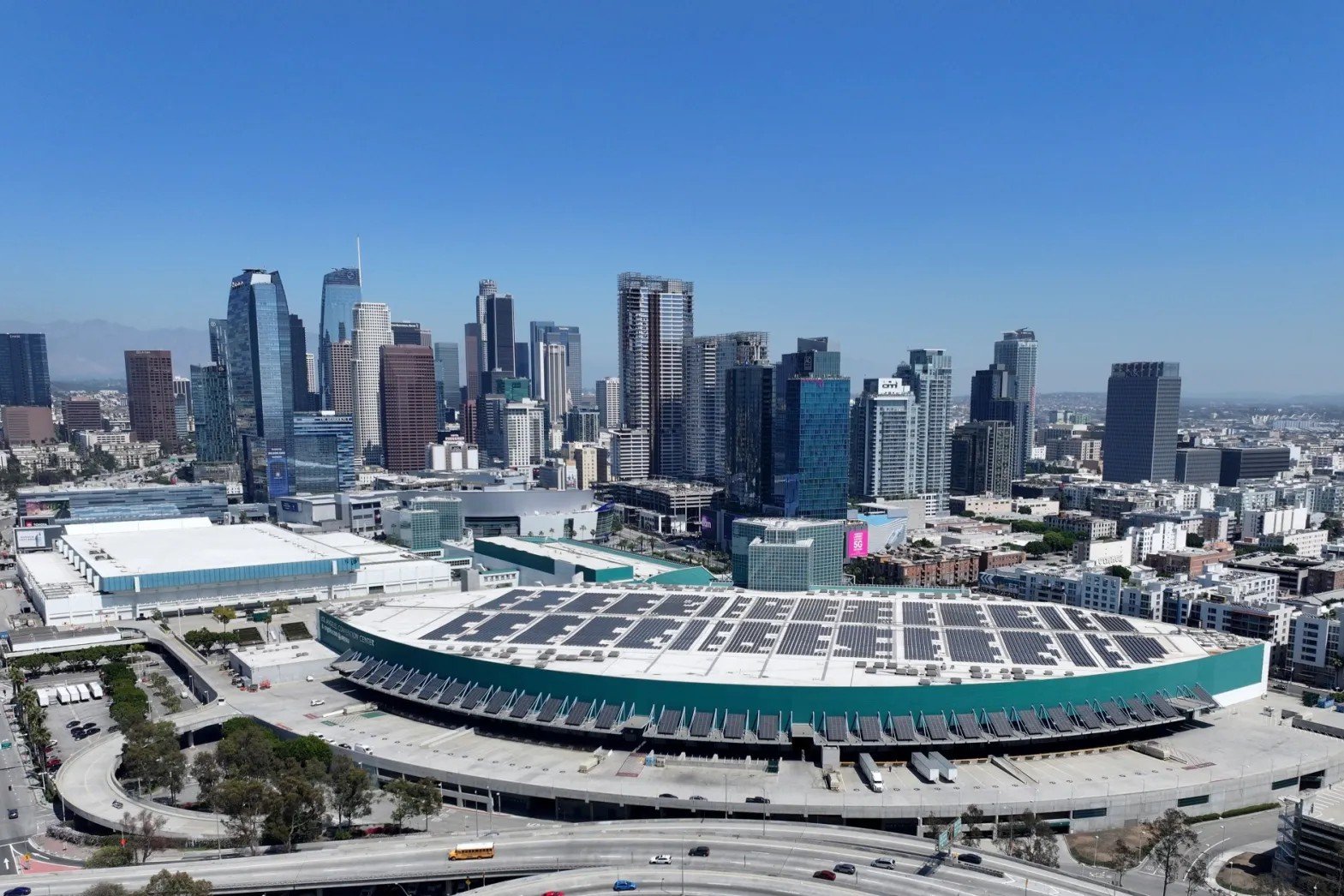
ComplexCon arrived at the Los Angeles Convention Center on October 3rd and 4th, 2026, marking ten years since the convention first anchored street culture’s annual pilgrimage. The two-day event functioned less like a retail floor and more like a living archive of independent makers, established brands, and the kind of spontaneous chaos that happens when thousands of people who actually care about the work show up in the same room at once. Playboi Carti appeared on Sunday, October 4th to sign autographs, drawing the kind of crowd energy that reminds you why these gatherings still matter in an era when drops and collabs can happen anywhere online.
What made this year’s convention distinctive wasn’t the size or the celebrity moments, though those landed. It was the commitment to handmade infrastructure. Jose Ramirez, the owner of Mexican fashion brand LAST CALL, brought a hand-sewn Mexican flag he had created specifically for the event. Every piece in his line is made by hand, a choice rooted in his father’s journey immigrating illegally to the United States at age 13. That detail moves Ramirez’s booth from “vendor with a product” to something closer to a testimony. Standing in front of that flag felt like the actual point of a convention, not the transactions but the stories behind why someone decided to show up with their work in the first place.
Saraah Zaidi, who owns the Pakistani fashion brand Motherland alongside her husband, was present both days while pregnant with their second child. The brand, launched in 2023, creates graphic tees, jackets, and jerseys designed to honor Pakistani culture while anchoring itself to New York and New Jersey, where the couple is based. Motherland exists explicitly to open space for Pakistani voices in fashion, a mission statement that felt especially resonant in a convention where representation was happening through execution rather than corporate mandate. The fact that Zaidi showed up and remained engaged across both days while expecting underscores how these events function differently for independent operators than for larger established names.
The West Hall’s “The Block” section hosted a collaboration that exemplified the convention’s creative ecology. Dusaint Duvel, owner of the jewelry company bearing his name, partnered with Hotleather, a family-owned leather tannery business operating since the 1940s and currently run by Dani Loreno. The combined booth sold both Dusaint Duvel’s custom-made grills and Hotleather’s pieces, merging contemporary jewelry culture with deep manufacturing heritage. That pairing, captured on Saturday October 3rd, represented ComplexCon’s unique ability to collapse generations of craft into a single commercial space.
Ko Asante, a first-generation Ghanaian American who works as a content creator, designer, artist, and community organizer, demonstrated how individual style operates at these events. On Sunday October 4th, Asante’s outfit combined inspiration from Alice in Wonderland’s Mad Hatter with graphic branding from Cross Colors, a move that felt distinctly personal rather than trend-following. These kinds of individual creative choices, documented and circulated, become the actual cultural content of ComplexCon, more than any official programming could manufacture.
Tavo Diaz, known as “The Red Guy” on Instagram at _tavo777, painted himself entirely red on Saturday October 3rd as an act of creative expression and personal normalization. As a Mexican creative director and owner of tdomstudios, Diaz described the red as both a form of self-customization and an invitation for others to do the same, transforming his physical presence into a conversation about what it means to show up visibly different. Meanwhile, artist Gamma Gabe positioned his booth directly beneath art that condemned consumerism, creating a deliberately ironic tension within the convention floor itself.
The venue and the timing mattered. October in Los Angeles transformed the Convention Center into more than a marketplace for ComplexCon 2026, it became a living archive where stories of craft, immigration, representation, and individual creative expression converged into a singular ten-year moment that reminded attendees why gathering in physical space still carries weight in an era when everything could happen online.
Sources: thecorsaironline.com