Celine Dion Paris Residency: After years away battling stiff person syndrome, the Canadian icon reclaims her throne with a landmark residency at La Défense Arena.
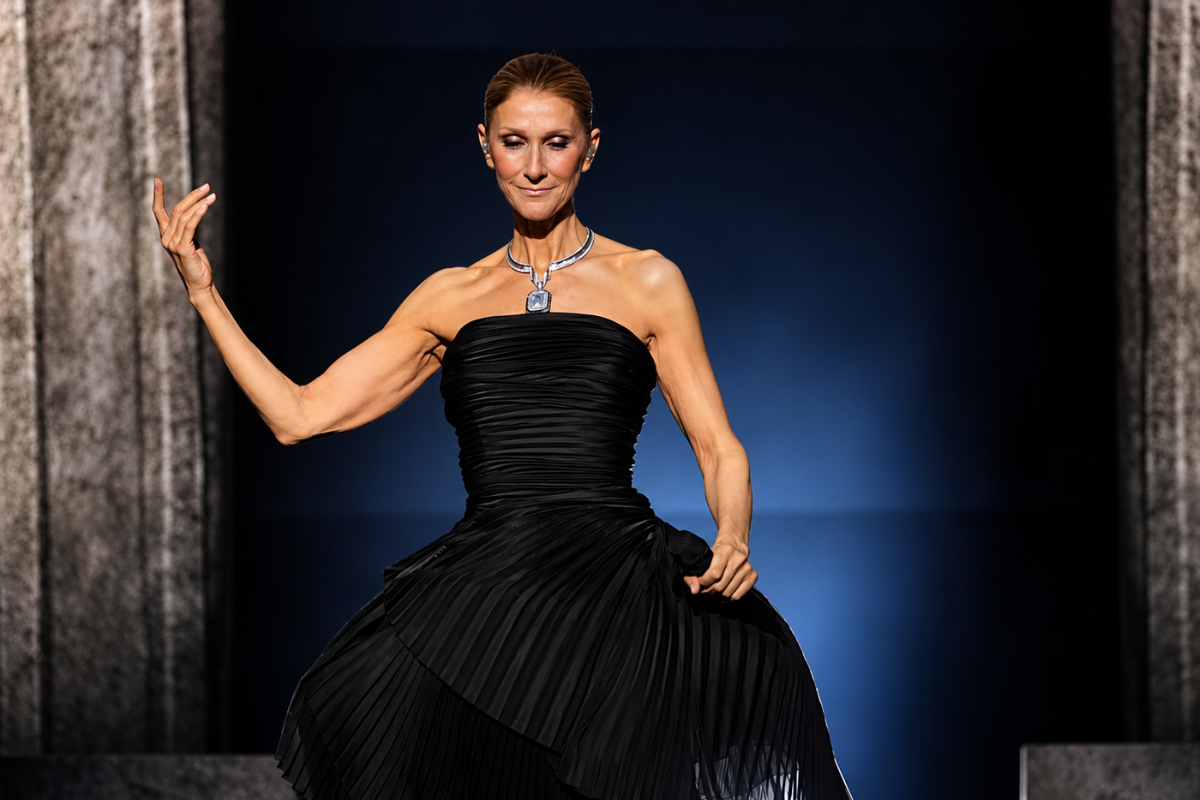
The lighting rig above La Défense Arena dims to near black. A single spotlight cuts through the darkness, and Celine Dion walks into it like she never left. The Celine Dion Paris residency, which marks her official return to performing after a prolonged health crisis, isn’t positioned as a cautious comeback or a tentative test of her vocal cords. This is a full reckoning, a statement that one of music’s most dominant voices has reclaimed her territory on one of Europe’s most prestigious stages.
For years, Dion had stepped away from public life as she dealt with stiff person syndrome, a rare neurological condition that affected her mobility and stamina. The diagnosis and treatment became as much a part of her public narrative as her five-octave range had been. But the Paris residency signals something different: not a farewell tour dressed up in nostalgia, but a genuine re-entry into her craft at full scale. The arena, with its cutting-edge production capabilities and 40,000-seat capacity, is no intimate comeback venue. It’s the kind of space that demands complete command.
What unfolds across her residency run is a masterclass in reclamation. The setlist pulls from every era of her career, from “The Power of Love” through “My Heart Will Go On” to deeper cuts that only devoted fans recognize. Visually, the production aesthetic reads contemporary without sacrificing the grandeur that has always defined Dion’s image. Costume changes are sharp and intentional. The staging feels designed for someone who has spent the intervening years thinking deeply about what her voice means and how it moves through space. There’s no sense of rustiness or hesitation in her phrasing, no vocal compensations that suggest she’s working around physical limitations. She sounds like herself, fully present and undiluted.
The Celine Dion Paris residency stands as more than a performance schedule. It is a declaration that her voice, her presence, and her command of the stage remain undiminished. What unfolds is proof that comeback narratives need not whisper. They can roar.