Blade Runner 2099: The sci-fi franchise extends beyond the silver screen with a new live-action miniseries set in the neon-soaked world of replicants and blade runners.
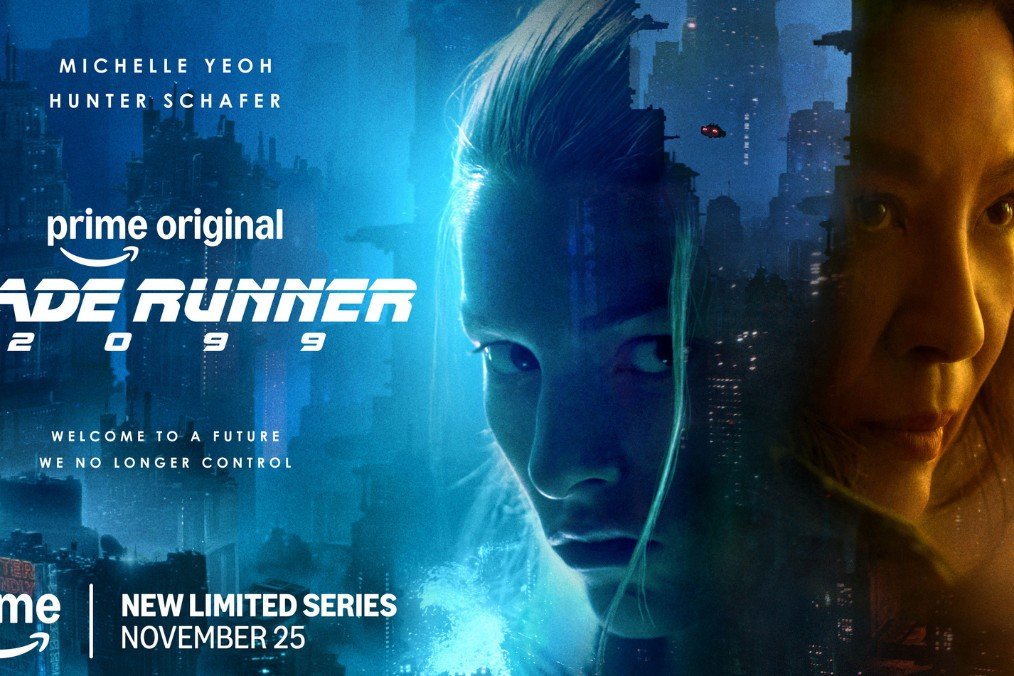
Thirty-five years after Ridley Scott’s original film and nearly a decade after Denis Villeneuve’s 2049 sequel, the Blade Runner universe is finally making the leap to television. On November 25, Prime Video will premiere Blade Runner 2099, a miniseries that picks up the franchise’s thematic obsessions with artificial consciousness, moral ambiguity, and dystopian futures in a serialized format built for streaming audiences.
The series reunites Michelle Yeoh and Hunter Schafer as a blade runner and replicant pair on a dangerous hunt through a sprawling metropolis. Their target: a runaway with knowledge that could destabilize their entire city. It’s familiar franchise territory restaged through a television lens, where character development and plot sprawl can operate at a different rhythm than cinematic storytelling demands.
Blade Runner 2099 Marks the Franchise’s Leap to Streaming
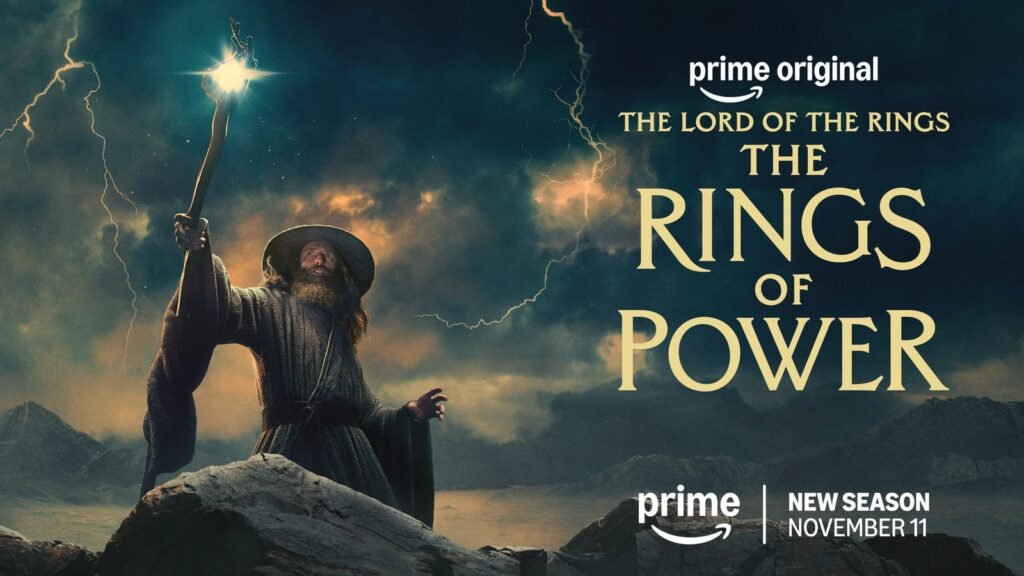
The shift from film to series represents a strategic move by producers to extend the Blade Runner brand beyond its theatrical footprint. Streaming platforms have proven willing to invest in legacy properties that can anchor subscriber retention, particularly when those properties carry the weight of critical acclaim and cultural cachet. Blade Runner 2099 arrives alongside a broader slate of high-profile franchise extensions hitting streamers in fall 2026, from Lord of the Rings: The Rings of Power returning for its third season on Prime Video to Black Doves launching its second season on Netflix.
Yeoh, whose recent work spans Marvel and Star Trek productions, brings credibility and marquee appeal to a medium where A-list talent has become increasingly common. Schafer, known for her role in Euphoria, represents the kind of emerging star power that streaming platforms leverage to attract younger demographics. Their pairing suggests the series will balance the hardboiled detective aesthetics of the franchise with character-driven storytelling.
The Expanding Universe
The original Blade Runner arrived in 1982 as a dense, visually overwhelming adaptation of Philip K. Dick’s Do Androids Dream of Electric Sheep? It has since become a touchstone of cyberpunk cinema, influencing everything from production design to philosophical inquiries about consciousness and personhood. The 2017 sequel, Blade Runner 2049, maintained that visual and thematic rigor while expanding the world’s mythology across a deliberately paced 164 minutes.
Television presents different constraints and opportunities. A miniseries format allows producers to explore side narratives and build atmosphere through episode-by-episode pacing rather than relying on visual spectacle alone. The decision to center the story around a blade runner and replicant partnership, rather than repeating the detective-hunting-machines premise of the films, suggests the show’s creators recognize that television audiences expect dynamic relationship evolution across multiple hours of runtime.
Prime Video’s investment in Blade Runner 2099 sits within a larger strategy of acquiring and developing prestige science fiction for streaming. The platform has already demonstrated commitment to complex world-building through its Lord of the Rings adaptation and its sprawling catalog of sci-fi originals. Adding a franchise entry of this caliber suggests confidence in its ability to compete with Netflix and Apple TV in the high-budget drama space.
The November 25 premiere date positions the miniseries in the crucial late-autumn window when streaming platforms typically frontload their prestige content. It will arrive during a period of peak television consumption, competing directly with other seasonal launches but also benefiting from the cultural momentum that builds around major franchise events.
Whether Blade Runner 2099 will achieve the philosophical depth and visual innovation of its cinematic predecessors remains an open question. Serialized storytelling demands different pacing and character work than film, and the challenge for any adaptation lies in translating what made the original property distinctive to a new medium. What’s clear is that the franchise isn’t finished exploring the questions it first posed in 1982: what makes something alive, what constitutes authentic experience, and who gets to decide the difference.